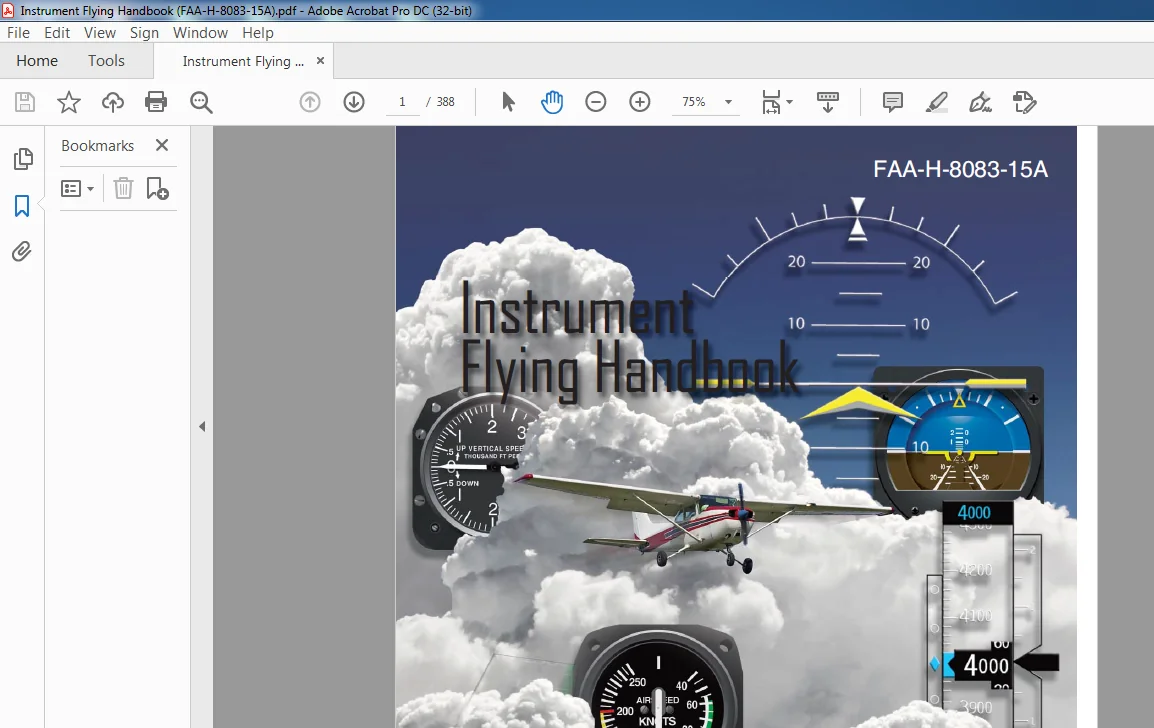
INSTRUMENT FAA H 8083 15A FLYING HANDBOOK MANUAL
Original price was: $65.95.$19.95Current price is: $19.95.
INSTRUMENT FAA H 8083 15A FLYING HANDBOOK MANUAL – PDF DOWNLOAD
Description
INSTRUMENT FAA H 8083 15A FLYING HANDBOOK MANUAL – PDF DOWNLOAD
Contact us: [email protected]
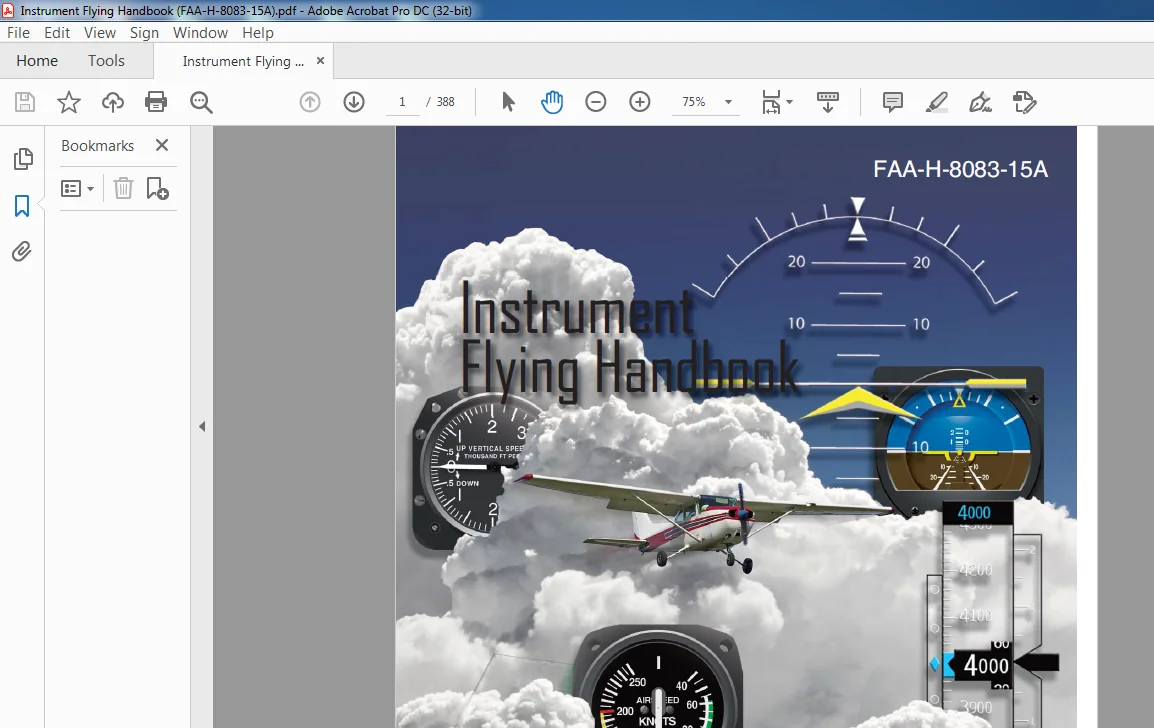
IMAGE PREVIEW:
DESCRIPTION:
INSTRUMENT FAA H 8083 15A FLYING HANDBOOK MANUAL – PDF DOWNLOAD
- This Instrument Flying Handbook is designed for use by instrument fl ight instructors and pilots preparing for instrument rating tests. Instructors may fi nd this handbook a valuable training aid as it includes basic reference material for knowledge testing and instrument fl ight training. Other Federal Aviation Administration (FAA) publications should be consulted for more detailed information on related topics.
- This handbook conforms to pilot training and certifi cation concepts established by the FAA. There are different ways of teaching, as well as performing, fl ight procedures and maneuvers and many variations in the explanations of aerodynamic theories and principles. This handbook adopts selected methods and concepts for instrument fl ying. The discussion and explanations refl ect the most commonly used practices and principles. Occasionally the word “must” or similar language is used where the desired action is deemed critical.
- The use of such language is not intended to add to, interpret, or relieve a duty imposed by Title 14 of the Code of Federal Regulations (14 CFR). All of the aeronautical knowledge and skills required to operate in instrument meteorological conditions (IMC) are detailed. Chapters are dedicated to human and aerodynamic factors affecting instrument fl ight, the fl ight instruments, attitude instrument fl ying for airplanes, basic fl ight maneuvers used in IMC, attitude instrument fl ying for helicopters, navigation systems, the National Airspace System (NAS), the air traffi c control (ATC) system, instrument fl ight rules (IFR) fl ight procedures, and IFR emergencies. Clearance shorthand and an integrated instrument lesson guide are also included.
- This handbook supersedes FAA-H-8081-15, Instrument Flying Handbook, dated 2001. This handbook may be purchased from the Superintendent of Documents, United States Government Printing Offi ce (GPO), Washington, DC 20402-9325, or from GPO’s web site. http://bookstore.gpo.gov This handbook is also available for download, in PDF format, from the Regulatory Support Division’s (AFS-600) web site. http://www.faa.gov/about/offi ce_org/headquarters_offi ces/avs/offi ces/afs/afs600
- This handbook is published by the United States Department of Transportation, Federal Aviation Administration, Airman Testing Standards Branch, AFS-630, P.O. Box 25082, Oklahoma City, OK 73125. Comments regarding this publication should be sent, in email form, to the following address. [email protected]
TABLE OF CONTENTS:
INSTRUMENT FAA H 8083 15A FLYING HANDBOOK MANUAL – PDF DOWNLOAD
Preface ………………………………………………………….iii
Acknowledgements …………………………………………v
Introduction …………………………………………………..vii
Is an Instrument Rating Necessary? ………………………. vii
Instrument Rating Requirements …………………………… vii
Training for the Instrument Rating ………………………… vii
Maintaining the Instrument Rating ……………………….viii
Table of Contents …………………………………………..ix
Chapter 1
Human Factors …………………………………………….1-1
Introduction …………………………………………………………..1-1
Sensory Systems for Orientation ……………………………..1-2
Eyes ………………………………………………………………….1-2
Vision Under Dim and Bright Illumination …………1-3
Ears …………………………………………………………………..1-4
Nerves ……………………………………………………………….1-5
Illusions Leading to Spatial Disorientation ………………..1-5
Vestibular Illusions …………………………………………….1-5
The Leans ……………………………………………………….1-5
Coriolis Illusion ………………………………………………1-6
Graveyard Spiral ……………………………………………..1-6
Somatogravic Illusion ………………………………………1-6
Inversion Illusion …………………………………………….1-6
Elevator Illusion ………………………………………………1-6
Visual Illusions …………………………………………………..1-7
False Horizon ………………………………………………….1-7
Autokinesis …………………………………………………….1-7
Postural Considerations ………………………………………….1-7
Demonstration of Spatial Disorientation …………………..1-7
Climbing While Accelerating ……………………………….1-8
Climbing While Turning ……………………………………..1-8
Diving While Turning …………………………………………1-8
Tilting to Right or Left ………………………………………..1-8
Reversal of Motion ……………………………………………..1-8
Diving or Rolling Beyond the Vertical Plane …………1-8
Coping with Spatial Disorientation …………………………..1-8
Optical Illusions …………………………………………………….1-9
Runway Width Illusion ……………………………………….1-9
Runway and Terrain Slopes Illusion ……………………..1-9
Featureless Terrain Illusion ………………………………….1-9
Water Refraction ………………………………………………..1-9
Haze ………………………………………………………………….1-9
Fog ……………………………………………………………………1-9
Ground Lighting Illusions ……………………………………1-9
How To Prevent Landing Errors Due To Optical
Illusions ………………………………………………………………..1-9
Physiological and Psychological Factors …………………1-11
Stress ………………………………………………………………1-11
Medical Factors ……………………………………………………1-12
Alcohol ……………………………………………………………1-12
Fatigue …………………………………………………………….1-12
Acute Fatigue ………………………………………………..1-12
Chronic Fatigue …………………………………………….1-13
IMSAFE Checklist ……………………………………………1-13
Hazard Identifi cation …………………………………………….1-13
Situation 1 ……………………………………………………….1-13
Situation 2 ……………………………………………………….1-13
Risk Analysis ……………………………………………………1-13
Crew Resource Management (CRM) and Single-Pilot
Resource Management (SRM) ……………………………….1-14
Situational Awareness …………………………………………..1-14
Flight Deck Resource Management ………………………..1-14
Human Resources ……………………………………………..1-14
Equipment ……………………………………………………….1-14
Information Workload ……………………………………….1-14
Task Management ………………………………………………..1-15
Aeronautical Decision-Making (ADM) …………………..1-15
The Decision-Making Process ……………………………1-16
Defi ning the Problem ………………………………………..1-16
Choosing a Course of Action ……………………………..1-16
Implementing the Decision and Evaluating
the Outcome …………………………………………………….1-16
Improper Decision-Making Outcomes ………………..1-16
Models for Practicing ADM ………………………………….1-17
Perceive, Process, Perform …………………………………1-17
The DECIDE Model ………………………………………….1-17
Hazardous Attitudes and Antidotes ………………………..1-18
Table of Contents
x
Chapter 2
Aerodynamic Factors ……………………………………2-1
Introduction …………………………………………………………..2-1
The Wing …………………………………………………………..2-2
Review of Basic Aerodynamics ……………………………….2-2
The Four Forces …………………………………………………2-2
Lift ………………………………………………………………..2-2
Weight ……………………………………………………………2-3
Thrust …………………………………………………………….2-3
Drag ………………………………………………………………2-3
Newton’s First Law, the Law of Inertia …………………2-4
Newton’s Second Law, the Law of Momentum ……..2-4
Newton’s Third Law, the Law of Reaction …………….2-4
Atmosphere …………………………………………………………..2-4
Layers of the Atmosphere ……………………………………2-5
International Standard Atmosphere (ISA) ………………2-5
Pressure Altitude ……………………………………………..2-5
Density Altitude ………………………………………………2-5
Lift ……………………………………………………………………….2-6
Pitch/Power Relationship …………………………………….2-6
Drag Curves ………………………………………………………….2-6
Regions of Command ………………………………………….2-7
Control Characteristics …………………………………….2-7
Speed Stability ……………………………………………………2-7
Normal Command …………………………………………..2-7
Reversed Command …………………………………………2-8
Trim ……………………………………………………………………..2-8
Slow-Speed Flight ………………………………………………….2-8
Small Airplanes ………………………………………………….2-9
Large Airplanes ………………………………………………….2-9
Climbs ………………………………………………………………..2-10
Acceleration in Cruise Flight ……………………………..2-10
Turns ………………………………………………………………….2-10
Rate of Turn …………………………………………………….2-10
Radius of Turn ………………………………………………….2-11
Coordination of Rudder and Aileron Controls ………2-11
Load Factor …………………………………………………………2-11
Icing …………………………………………………………………..2-12
Types of Icing ……………………………………………………..2-13
Structural Icing …………………………………………………2-13
Induction Icing …………………………………………………2-13
Clear Ice ………………………………………………………….2-13
Rime Ice ………………………………………………………….2-13
Mixed Ice …………………………………………………………2-14
General Effects of Icing on Airfoils …………………….2-14
Piper PA-34-200T (Des Moines, Iowa) …………….2-15
Tailplane Stall Symptoms ………………………………….2-16
Propeller Icing ………………………………………………….2-16
Effects of Icing on Critical Aircraft Systems ………..2-16
Flight Instruments ………………………………………….2-16
Stall Warning Systems ……………………………………2-16
Windshields ………………………………………………….2-16
Antenna Icing …………………………………………………..2-17
Summary …………………………………………………………….2-17
Chapter 3
Flight Instruments ………………………………………..3-1
Introduction …………………………………………………………..3-1
Pitot/Static Systems ……………………………………………….3-2
Static Pressure ……………………………………………………3-2
Blockage Considerations ……………………………………..3-2
Indications of Pitot Tube Blockage ……………………3-3
Indications from Static Port Blockage ………………..3-3
Effects of Flight Conditions ………………………………3-3
Pitot/Static Instruments …………………………………………..3-3
Sensitive Altimeter ……………………………………………..3-3
Principle of Operation ………………………………………3-3
Altimeter Errors ………………………………………………3-4
Cold Weather Altimeter Errors ………………………….3-5
ICAO Cold Temperature Error Table ……………………3-5
Nonstandard Pressure on an Altimeter ……………….3-6
Altimeter Enhancements (Encoding) …………………3-7
Reduced Vertical Separation Minimum (RVSM) ..3-7
Vertical Speed Indicator (VSI) ……………………………..3-8
Dynamic Pressure Type Instruments ………………………..3-8
Airspeed Indicator (ASI) ……………………………………..3-8
Types of Airspeed ……………………………………………3-9
Airspeed Color Codes …………………………………….3-10
Magnetism …………………………………………………………..3-10
The Basic Aviation Magnetic Compass ………………3-11
Magnetic Compass Overview ………………………….3-11
Magnetic Compass Induced Errors …………………..3-12
The Vertical Card Magnetic Compass …………………3-14
The Flux Gate Compass System …………………………3-14
Remote Indicating Compass ……………………………….3-15
Gyroscopic Systems ……………………………………………..3-16
Power Sources …………………………………………………3-16
Pneumatic Systems ……………………………………….3-16
Vacuum Pump Systems ………………………………….3-17
Electrical Systems ………………………………………….3-18
Gyroscopic Instruments ………………………………………..3-18
Attitude Indicators …………………………………………….3-18
Heading Indicators ……………………………………………3-19
Turn Indicators …………………………………………………3-20
Turn-and-Slip Indicator ………………………………….3-20
Turn Coordinator …………………………………………..3-21
Flight Support Systems …………………………………………3-22
Attitude and Heading Reference System (AHRS) …3-22
Air Data Computer (ADC) …………………………………3-22
Analog Pictorial Displays ……………………………………..3-22
Horizontal Situation Indicator (HSI) …………………..3-22
xi
Attitude Direction Indicator (ADI) …………………….3-23
Flight Director System (FDS) …………………………….3-23
Integrated Flight Control System ……………………….3-24
Autopilot Systems ………………………………………….3-24
Flight Management Systems (FMS) ……………………….3-25
Electronic Flight Instrument Systems ………………….3-27
Primary Flight Display (PFD) ………………………………..3-27
Synthetic Vision ……………………………………………….3-27
Multi-Function Display (MFD) …………………………..3-28
Advanced Technology Systems ……………………………..3-28
Automatic Dependent Surveillance—
Broadcast (ADS-B) …………………………………………..3-28
Safety Systems …………………………………………………….3-30
Radio Altimeters ………………………………………………3-30
Traffi c Advisory Systems ………………………………….3-31
Traffi c Information System …………………………….3-31
Traffi c Alert Systems …………………………………….3-31
Traffi c Avoidance Systems ……………………………..3-31
Terrain Alerting Systems ……………………………….3-34
Required Navigation Instrument System Inspection …3-34
Systems Prefl ight Procedures ……………………………..3-34
Before Engine Start …………………………………………..3-36
After Engine Start ……………………………………………..3-37
Taxiing and Takeoff ………………………………………….3-37
Engine Shut Down ……………………………………………3-37
Chapter 4, Section I
Airplane Attitude Instrument Flying
Using Analog Instrumentation ………………………4-1
Introduction …………………………………………………………..4-1
Learning Methods ………………………………………………….4-2
Attitude Instrument Flying Using the Control and
Performance Method ………………………………………….4-2
Control Instruments ………………………………………..4-2
Performance Instruments …………………………………4-2
Navigation Instruments ……………………………………4-2
Procedural Steps in Using Control and
Performance ……………………………………………………4-2
Aircraft Control During Instrument Flight ………….4-3
Attitude Instrument Flying Using the Primary and
Supporting Method ……………………………………………..4-4
Pitch Control …………………………………………………..4-4
Bank Control …………………………………………………..4-7
Power Control …………………………………………………4-8
Trim Control …………………………………………………..4-8
Airplane Trim …………………………………………………4-8
Helicopter Trim …………………………………………….4-10
Example of Primary and Support Instruments ………4-10
Fundamental Skills……………………………………………….4-10
Instrument Cross-Check …………………………………….4-10
Common Cross-Check Errors ………………………….4-11
Instrument Interpretation ……………………………………4-13
Chapter 4, Section II
Airplane Attitude Instrument Flying
Using an Electronic Flight Display ………………4-15
Introduction …………………………………………………………4-15
Learning Methods ………………………………………………..4-16
Control and Performance Method ……………………….4-18
Control Instruments ……………………………………….4-18
Performance Instruments ………………………………..4-19
Navigation Instruments …………………………………..4-19
The Four-Step Process Used to Change Attitude …..4-20
Establish ……………………………………………………….4-20
Trim …………………………………………………………….4-20
Cross-Check ………………………………………………….4-20
Adjust …………………………………………………………..4-20
Applying the Four-Step Process ………………………….4-20
Pitch Control …………………………………………………4-20
Bank Control …………………………………………………4-20
Power Control ……………………………………………….4-21
Attitude Instrument Flying—Primary and
Supporting Method ……………………………………………4-21
Pitch Control …………………………………………………4-21
Straight-and-Level Flight ………………………………..4-22
Primary Pitch ………………………………………………..4-22
Primary Bank ………………………………………………..4-23
Primary Yaw …………………………………………………4-23
Primary Power ………………………………………………4-23
Fundamental Skills of Attitude Instrument Flying ……4-23
Instrument Cross-Check …………………………………….4-24
Scanning Techniques ……………………………………………4-24
Selected Radial Cross-Check ……………………………..4-24
Starting the Scan ……………………………………………4-24
Trend Indicators …………………………………………….4-26
Common Errors ……………………………………………………4-28
Fixation ……………………………………………………………4-28
Omission ………………………………………………………….4-28
Emphasis …………………………………………………………4-28
Chapter 5, Section I
Airplane Basic Flight Maneuvers
Using Analog Instrumentation ………………………5-1
Introduction …………………………………………………………..5-1
Straight-and-Level Flight ………………………………………..5-2
Pitch Control ……………………………………………………..5-2
Attitude Indicator …………………………………………….5-2
Altimeter ………………………………………………………..5-3
Vertical Speed Indicator (VSI) ………………………….5-4
xii
Airspeed Indicator (ASI) ………………………………….5-6
Bank Control ……………………………………………………..5-6
Attitude Indicator …………………………………………….5-6
Heading Indicator ……………………………………………5-7
Turn Coordinator …………………………………………….5-7
Turn-and-Slip Indicator (Needle and Ball) ………….5-8
Power Control ……………………………………………………5-8
Power Settings ………………………………………………..5-9
Airspeed Changes in Straight-and-Level Flight …5-11
Trim Technique ………………………………………………..5-12
Common Errors in Straight-and-Level Flight ………5-12
Pitch …………………………………………………………….5-12
Heading ………………………………………………………..5-13
Power …………………………………………………………..5-13
Trim …………………………………………………………….5-13
Straight Climbs and Descents ………………………………..5-14
Climbs …………………………………………………………….5-14
Entry ……………………………………………………………5-14
Leveling Off ………………………………………………….5-16
Descents ………………………………………………………….5-16
Entry ……………………………………………………………5-17
Leveling Off ………………………………………………….5-17
Common Errors in Straight Climbs and Descents …5-17
Turns ………………………………………………………………….5-19
Standard Rate Turns ………………………………………….5-19
Turns to Predetermined Headings ……………………….5-20
Timed Turns …………………………………………………….5-21
Compass Turns …………………………………………………5-21
Steep Turns ………………………………………………………5-22
Climbing and Descending Turns …………………………5-24
Change of Airspeed During Turns ………………………5-24
Common Errors in Turns ……………………………………5-25
Pitch …………………………………………………………….5-25
Bank …………………………………………………………….5-25
Power …………………………………………………………..5-26
Trim …………………………………………………………….5-26
Errors During Compass Turns …………………………5-26
Approach to Stall …………………………………………………5-26
Unusual Attitudes and Recoveries ………………………….5-26
Recognizing Unusual Attitudes …………………………..5-27
Recovery from Unusual Attitudes ……………………….5-27
Nose-High Attitudes ………………………………………….5-27
Nose-Low Attitudes ………………………………………….5-28
Common Errors in Unusual Attitudes ………………….5-28
Instrument Takeoff ……………………………………………….5-29
Common Errors in Instrument Takeoffs ………………5-29
Basic Instrument Flight Patterns …………………………….5-30
Racetrack Pattern ………………………………………………5-30
Procedure Turn …………………………………………………5-30
Standard 45° Procedure Turn ……………………………..5-30
80/260 Procedure Turn ………………………………………5-31
Teardrop Patterns ……………………………………………..5-31
Circling Approach Patterns ………………………………..5-32
Pattern I ………………………………………………………..5-32
Pattern II ………………………………………………………5-32
Chapter 5, Section II
Airplane Basic Flight Maneuvers
Using an Electronic Flight Display ………………5-33
Introduction …………………………………………………………5-33
Straight-and-Level Flight ………………………………………5-34
Pitch Control ……………………………………………………5-34
Attitude Indicator …………………………………………..5-34
Altimeter ………………………………………………………5-36
Partial Panel Flight ………………………………………..5-36
VSI Tape ………………………………………………………5-36
Airspeed Indicator (ASI) ………………………………..5-37
Bank Control ……………………………………………………5-37
Attitude Indicator …………………………………………..5-37
Horizontal Situation Indicator (HSI) ………………..5-38
Heading Indicator ………………………………………….5-38
Turn Rate Indicator ………………………………………..5-38
Slip/Skid Indicator …………………………………………5-39
Power Control ………………………………………………….5-39
Power Settings ………………………………………………5-39
Airspeed Changes in Straight-and-Level Flight …5-40
Trim Technique ………………………………………………..5-43
Common Errors in Straight-and-Level Flight ……….5-43
Pitch …………………………………………………………….5-43
Heading ………………………………………………………..5-44
Power …………………………………………………………..5-45
Trim …………………………………………………………….5-45
Straight Climbs and Descents ………………………………..5-46
Entry ……………………………………………………………….5-46
Constant Airspeed Climb From Cruise
Airspeed ……………………………………………………….5-46
Constant Airspeed Climb from Established
Airspeed ……………………………………………………….5-47
Constant Rate Climbs …………………………………….5-47
Leveling Off ………………………………………………….5-48
Descents ………………………………………………………….5-49
Entry ……………………………………………………………….5-49
Leveling Off ………………………………………………….5-50
Common Errors in Straight Climbs and Descents …5-50
Turns ………………………………………………………………….5-51
Standard Rate Turns ………………………………………….5-51
Establishing A Standard Rate Turn ………………….5-51
Common Errors …………………………………………….5-51
Turns to Predetermined Headings ……………………….5-52
xiii
Timed Turns …………………………………………………….5-53
Compass Turns …………………………………………………5-53
Steep Turns ………………………………………………………5-53
Unusual Attitude Recovery Protection ……………..5-55
Common Errors Leading to Unusual Attitudes ….5-58
Instrument Takeoff ……………………………………………….5-60
Common Errors in Instrument Takeoffs ………………5-61
Basic Instrument Flight Patterns …………………………….5-61
Chapter 6
Helicopter Attitude Instrument Flying ……………6-1
Introduction …………………………………………………………..6-1
Flight Instruments ………………………………………………….6-2
Instrument Flight ……………………………………………………6-2
Instrument Cross-Check ………………………………………6-2
Instrument Interpretation ……………………………………..6-3
Aircraft Control ………………………………………………….6-3
Straight-and-Level Flight ………………………………………..6-3
Pitch Control ……………………………………………………..6-3
Attitude Indicator …………………………………………….6-3
Altimeter ………………………………………………………..6-4
Vertical Speed Indicator (VSI) ………………………….6-5
Airspeed Indicator …………………………………………..6-5
Bank Control ……………………………………………………..6-5
Attitude Indicator …………………………………………….6-5
Heading Indicator ……………………………………………6-6
Turn Indicator …………………………………………………6-7
Common Errors During Straight-and-Level Flight ….6-7
Power Control During Straight-and-Level Flight ……6-7
Common Errors During Airspeed Changes ………….6-10
Straight Climbs (Constant Airspeed and
Constant Rate) ……………………………………………………..6-10
Entry ……………………………………………………………….6-10
Level Off …………………………………………………………6-12
Straight Descents (Constant Airspeed and
Constant Rate) ……………………………………………………..6-12
Entry ……………………………………………………………….6-12
Level Off …………………………………………………………6-13
Common Errors During Straight Climbs and
Descents ………………………………………………………….6-13
Turns ………………………………………………………………….6-13
Turn to a Predetermined Heading ……………………….6-13
Timed Turns …………………………………………………….6-13
Change of Airspeed in Turns ……………………………..6-14
Compass Turns …………………………………………………6-15
30° Bank Turn ………………………………………………6-15
Climbing and Descending Turns …………………………6-15
Common Errors During Turns ……………………………6-15
Unusual Attitudes …………………………………………………6-16
Common Errors During Unusual Attitude
Recoveries ……………………………………………………….6-16
Emergencies ………………………………………………………..6-16
Autorotations ……………………………………………………6-17
Common Errors During Autorotations ……………..6-17
Servo Failure ……………………………………………………6-17
Instrument Takeoff ……………………………………………….6-17
Common Errors During Instrument Takeoffs ……….6-18
Changing Technology …………………………………………..6-18
Chapter 7
Navigation Systems ……………………………………..7-1
Introduction …………………………………………………………..7-1
Basic Radio Principles ……………………………………………7-2
How Radio Waves Propagate ……………………………….7-2
Ground Wave ………………………………………………….7-2
Sky Wave ……………………………………………………….7-2
Space Wave ……………………………………………………7-2
Disturbances to Radio Wave Reception …………………7-3
Traditional Navigation Systems ……………………………….7-3
Nondirectional Radio Beacon (NDB) ……………………7-3
NDB Components ……………………………………………7-3
ADF Components ……………………………………………7-3
Function of ADF ……………………………………………..7-4
Operational Errors of ADF ……………………………….7-8
Very High Frequency Omnidirectional
Range (VOR) ……………………………………………………..7-8
VOR Components ………………………………………….7-10
Function of VOR …………………………………………..7-12
VOR Operational Errors …………………………………7-14
VOR Accuracy ………………………………………………7-16
VOR Receiver Accuracy Check ………………………7-16
VOR Test Facility (VOT) ……………………………….7-16
Certifi ed Checkpoints …………………………………….7-16
Distance Measuring Equipment (DME) ……………….7-16
DME Components …………………………………………7-17
Function of DME …………………………………………..7-17
DME Arc ……………………………………………………..7-17
Intercepting Lead Radials ……………………………….7-19
DME Errors ………………………………………………….7-19
Area Navigation (RNAV) ………………………………….7-19
VOR/DME RNAV …………………………………………7-23
VOR/DME RNAV Components ……………………..7-23
Function of VOR/DME RNAV ……………………….7-23
VOR/DME RNAV Errors ……………………………….7-24
Long Range Navigation (LORAN) ……………………..7-24
LORAN Components …………………………………….7-25
Function of LORAN ………………………………………7-26
LORAN Errors ………………………………………………7-26
Advanced Technologies ………………………………………..7-26
Global Navigation Satellite System (GNSS) ………..7-26
xiv
Global Positioning System (GPS) ……………………….7-27
GPS Components …………………………………………..7-27
Function of GPS ……………………………………………7-28
GPS Substitution ……………………………………………7-28
GPS Substitution for ADF or DME …………………7-29
To Determine Aircraft Position Over a DME
Fix: ………………………………………………………………7-29
To Fly a DME Arc: ………………………………………..7-29
To Navigate TO or FROM an NDB/Compass
Locator: ………………………………………………………..7-29
To Determine Aircraft Position Over an NDB/
Compass Locator: ………………………………………….7-29
To Determine Aircraft Position Over a Fix Made
up of an NDB/Compass Locator Bearing
Crossing a VOR/LOC Course: ………………………..7-30
To Hold Over an NDB/Compass Locator: ………..7-30
IFR Flight Using GPS …………………………………….7-30
GPS Instrument Approaches ……………………………7-31
Departures and Instrument Departure
Procedures (DPs) …………………………………………..7-33
GPS Errors ……………………………………………………7-33
System Status ………………………………………………..7-33
GPS Familiarization ……………………………………….7-34
Differential Global Positioning Systems (DGPS) ….7-34
Wide Area Augmentation System (WAAS) …………7-34
General Requirements ……………………………………7-34
Instrument Approach Capabilities ……………………7-36
Local Area Augmentation System (LAAS) ………….7-36
Inertial Navigation System (INS) ………………………..7-36
INS Components ……………………………………………7-37
INS Errors …………………………………………………….7-37
Instrument Approach Systems ……………………………….7-37
Instrument Landing Systems (ILS) ……………………..7-37
ILS Components ……………………………………………7-39
Approach Lighting Systems (ALS) ……………………..7-40
ILS Airborne Components ………………………………7-42
ILS Function …………………………………………………….7-42
ILS Errors ………………………………………………………..7-44
Marker Beacons …………………………………………….7-44
Operational Errors …………………………………………7-45
Simplifi ed Directional Facility (SDF) ………………….7-45
Localizer Type Directional Aid (LDA) ………………..7-45
Microwave Landing System (MLS) …………………….7-45
Approach Azimuth Guidance ………………………….7-45
Required Navigation Performance ………………………….7-46
Flight Management Systems (FMS) ……………………….7-48
Function of FMS ………………………………………………7-48
Head-Up Display (HUD) ………………………………………7-49
Radar Navigation (Ground Based) ………………………….7-49
Functions of Radar Navigation …………………………..7-49
Airport Surface Detection Equipment ………………7-50
Radar Limitations ……………………………………………..7-50
Chapter 8
The National Airspace System ………………………8-1
Introduction …………………………………………………………..8-1
Airspace Classifi cation ………………………………………..8-2
Special Use Airspace …………………………………………..8-2
Federal Airways …………………………………………………8-4
Other Routing …………………………………………………….8-5
IFR En Route Charts ………………………………………………8-6
Airport Information …………………………………………….8-6
Charted IFR Altitudes …………………………………………8-6
Navigation Features …………………………………………….8-7
Types of NAVAIDs …………………………………………8-7
Identifying Intersections …………………………………..8-7
Other Route Information …………………………………8-10
Weather Information and Communication
Features ………………………………………………………..8-10
New Technologies ……………………………………………….8-10
Terminal Procedures Publications ………………………….8-12
Departure Procedures (DPs) ……………………………….8-12
Standard Terminal Arrival Routes (STARs) …………8-12
Instrument Approach Procedure (IAP) Charts …………8-12
Margin Identifi cation …………………………………………8-12
The Pilot Briefi ng ……………………………………………..8-16
The Plan View ………………………………………………….8-16
Terminal Arrival Area (TAA) ………………………………..8-18
Course Reversal Elements in Plan View and
Profi le View ……………………………………………………..8-20
Procedure Turns …………………………………………….8-20
Holding in Lieu of Procedure Turn ………………….8-20
Teardrop Procedure ……………………………………….8-21
The Profi le View ……………………………………………8-21
Landing Minimums …………………………………………..8-23
Airport Sketch /Airport Diagram ………………………..8-27
Inoperative Components ……………………………………8-27
RNAV Instrument Approach Charts ……………………8-32
Chapter 9
The Air Traffi c Control System ………………………9-1
Introduction …………………………………………………………..9-1
Communication Equipment …………………………………….9-2
Navigation/Communication (NAV/COM)
Equipment …………………………………………………………9-2
Radar and Transponders ………………………………………9-3
Mode C (Altitude Reporting) …………………………….9-3
Communication Procedures …………………………………….9-4
Communication Facilities ……………………………………….9-4
xv
Automated Flight Service Stations (AFSS) ……………9-4
ATC Towers ………………………………………………………9-5
Terminal Radar Approach Control (TRACON) ………9-6
Tower En Route Control (TEC) ……………………………9-7
Air Route Traffi c Control Center (ARTCC) …………..9-7
Center Approach/Departure Control ……………………..9-7
ATC Infl ight Weather Avoidance Assistance …………..9-11
ATC Radar Weather Displays …………………………….9-11
Weather Avoidance Assistance …………………………..9-11
Approach Control Facility …………………………………….9-12
Approach Control Advances ………………………………….9-12
Precision Runway Monitor (PRM) ……………………..9-12
Precision Runway Monitor (PRM) Radar …………9-12
PRM Benefi ts ………………………………………………..9-13
Control Sequence …………………………………………………9-13
Letters of Agreement (LOA) ………………………………9-14
Chapter 10
IFR Flight ……………………………………………………10-1
Introduction …………………………………………………………10-1
Sources of Flight Planning Information …………………..10-2
Aeronautical Information Manual (AIM) …………….10-2
Airport/Facility Directory (A/FD) ……………………….10-2
Notices to Airmen Publication (NTAP) ……………….10-2
POH/AFM ……………………………………………………….10-2
IFR Flight Plan …………………………………………………….10-2
Filing in Flight ………………………………………………….10-2
Cancelling IFR Flight Plans ……………………………….10-3
Clearances …………………………………………………………..10-3
Examples …………………………………………………………10-3
Clearance Separations ……………………………………….10-4
Departure Procedures (DPs) ………………………………….10-5
Obstacle Departure Procedures (ODP) ………………..10-5
Standard Instrument Departures ………………………….10-5
Radar Controlled Departures ………………………………10-5
Departures From Airports Without an
Operating Control Tower …………………………………..10-7
En Route Procedures …………………………………………….10-7
ATC Reports ……………………………………………………10-7
Position Reports ……………………………………………….10-7
Additional Reports ……………………………………………10-7
Planning the Descent and Approach ……………………10-8
Standard Terminal Arrival Routes (STARs) …………10-9
Substitutes for Inoperative or Unusable
Components ……………………………………………………..10-9
Holding Procedures ………………………………………………10-9
Standard Holding Pattern (No Wind) …………………..10-9
Standard Holding Pattern (With Wind) ………………..10-9
Holding Instructions ………………………………………….10-9
Standard Entry Procedures ……………………………….10-11
Time Factors …………………………………………………..10-12
DME Holding …………………………………………………10-12
Approaches ……………………………………………………….10-12
Compliance With Published Standard Instrument
Approach Procedures ………………………………………10-12
Instrument Approaches to Civil Airports ……………10-13
Approach to Airport Without an Operating
Control Tower ……………………………………………..10-14
Approach to Airport With an Operating
Tower, With No Approach Control ………………..10-14
Approach to an Airport With an Operating
Tower, With an Approach Control …………………10-14
Radar Approaches …………………………………………..10-17
Radar Monitoring of Instrument Approaches ……..10-18
Timed Approaches From a Holding Fix …………….10-18
Approaches to Parallel Runways ……………………….10-20
Side-Step Maneuver ………………………………………..10-20
Circling Approaches ………………………………………..10-20
IAP Minimums ……………………………………………….10-21
Missed Approaches …………………………………………10-21
Landing ………………………………………………………….10-22
Instrument Weather Flying ………………………………….10-22
Flying Experience …………………………………………..10-22
Recency of Experience …………………………………10-22
Airborne Equipment and Ground Facilities ……..10-22
Weather Conditions …………………………………………10-22
Turbulence ………………………………………………….10-23
Structural Icing ……………………………………………10-24
Fog …………………………………………………………….10-24
Volcanic Ash ………………………………………………10-24
Thunderstorms …………………………………………….10-25
Wind Shear …………………………………………………10-25
VFR-On-Top ………………………………………………….10-26
VFR Over-The-Top …………………………………………10-27
Conducting an IFR Flight ……………………………………10-27
Prefl ight …………………………………………………………10-27
Departure ……………………………………………………….10-31
En Route ………………………………………………………..10-32
Arrival …………………………………………………………..10-33
Chapter 11
Emergency Operations ……………………………….11-1
Introduction …………………………………………………………11-1
Unforecast Adverse Weather …………………………………11-2
Inadvertent Thunderstorm Encounter …………………..11-2
Inadvertent Icing Encounter ……………………………….11-2
Precipitation Static ……………………………………………11-3
Aircraft System Malfunctions ………………………………..11-3
Electronic Flight Display Malfunction …………………11-4
Alternator/Generator Failure ………………………………11-4
Techniques for Electrical Usage …………………………11-5
xvi
Master Battery Switch ……………………………………11-5
Operating on the Main Battery ………………………..11-5
Loss of Alternator/Generator for Electronic Flight
Instrumentation …………………………………………………11-5
Techniques for Electrical Usage …………………………11-6
Standby Battery …………………………………………….11-6
Operating on the Main Battery ………………………..11-6
Analog Instrument Failure …………………………………….11-6
Pneumatic System Failure ……………………………………..11-7
Pitot/Static System Failure …………………………………….11-7
Communication/Navigation System Malfunction …….11-8
GPS Nearest Airport Function ……………………………….11-9
Nearest Airports Using the PFD ………………………….11-9
Additional Information for a Specifi c Airport ……11-9
Nearest Airports Using the MFD ………………………11-10
Navigating the MFD Page Groups …………………11-10
Nearest Airport Page Group ………………………….11-10
Nearest Airports Page Soft Keys ……………………11-10
Situational Awareness …………………………………………11-11
Summary …………………………………………………….11-12
Traffi c Avoidance ……………………………………………11-14
Appendix A
Clearance Shorthand …………………………………..A-1
Appendix B
Instrument Training Lesson Guide ……………….B-1
Glossary ……………………………………………………..G-1
Index …………………………………………………………….I-1
PLEASE NOTE:
- This is the SAME manual used by the dealers to troubleshoot any faults in your vehicle. This can be yours in 2 minutes after the payment is made.
- Contact us at [email protected] should you have any queries before your purchase or that you need any other service / repair / parts operators manual.