
Advanced Aircraft Flight Performance – Cambridge Aerospace Series Manual
Original price was: $39.95.$23.95Current price is: $23.95.
Comprehensive 664-page aerospace engineering reference covering aircraft flight performance analysis for commercial and military aircraft. Includes aerodynamics, propulsion, weight and balance, mission analysis, aircraft noise, and environmental performance. Published by Cambridge University Press as Volume 34 in the Cambridge Aerospace Series.
Description
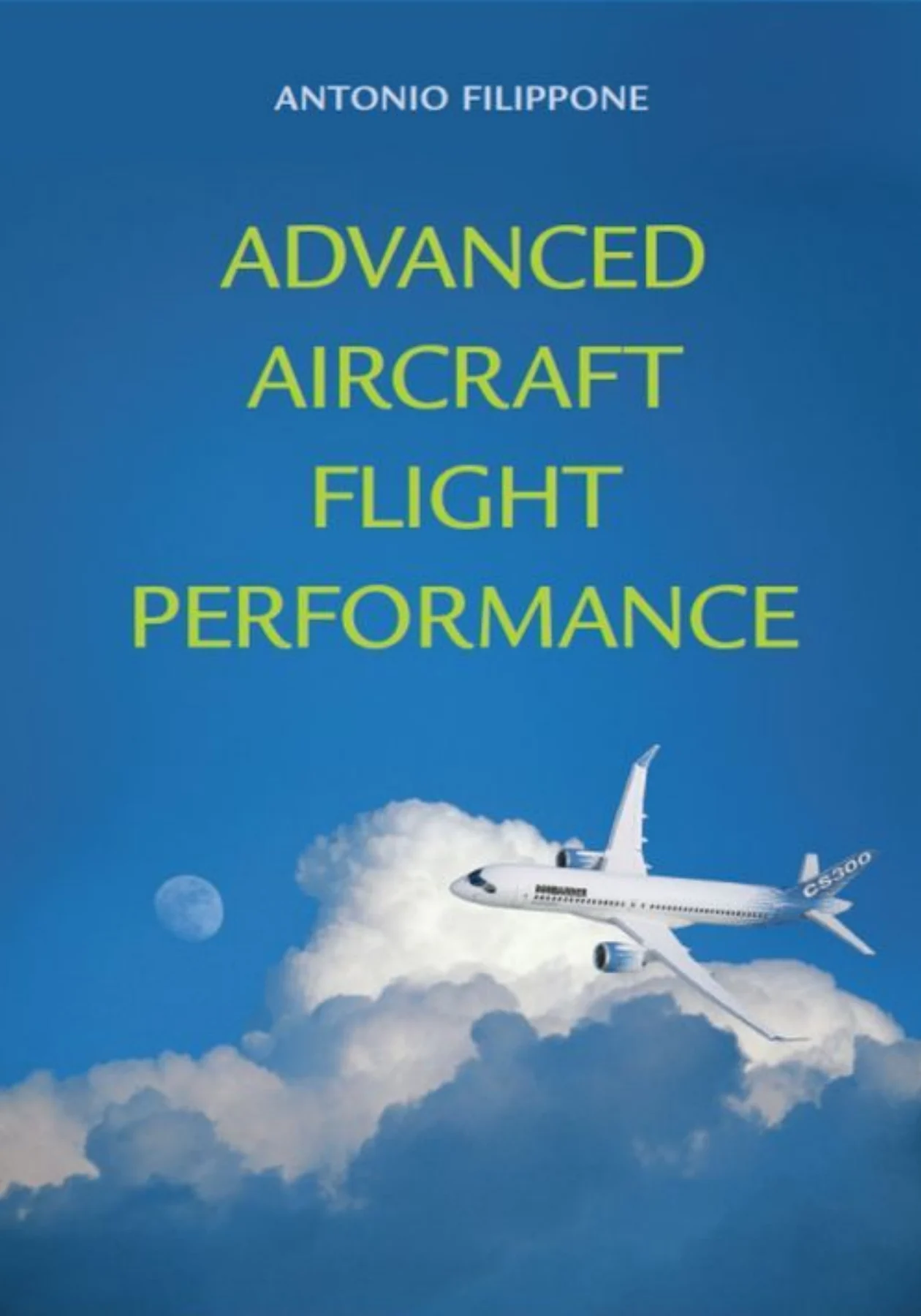
Advanced Aircraft Flight Performance – Cambridge Aerospace Series Manual
This comprehensive Advanced Aircraft Flight Performance manual is a definitive aerospace engineering reference delivering a complete multi-disciplinary analysis of aircraft flight performance. Written by Dr. Antonio Filippone of The University of Manchester and published as Volume 34 in the prestigious Cambridge Aerospace Series, this Advanced Aircraft Flight Performance manual covers commercial aircraft operations while also addressing high-performance military aircraft. The framework presented is a multi-disciplinary engineering analysis fully supported by flight simulation, with software validation at several levels – making it an essential resource for aerospace engineers, aviation professionals, researchers, and advanced students.
File Details
- Manual Type: Aerospace Engineering Reference / Technical Textbook
- Title: Advanced Aircraft Flight Performance
- Author: Dr. Antonio Filippone
- Publisher: Cambridge University Press
- Series: Cambridge Aerospace Series (Volume 34)
- Language: English
- Page Count: 664 pages
- File Format: PDF
- Publication Date: 2012
- ISBN: 978-1-107-02400-7
- Library of Congress: TL671.4.F449 2012
Chapters Covered
- Prolegomena – Performance Parameters, Flight Optimisation, Certificate of Airworthiness, The Need for Upgrading, Military Aircraft Requirements, Review of Comprehensive Performance Programs
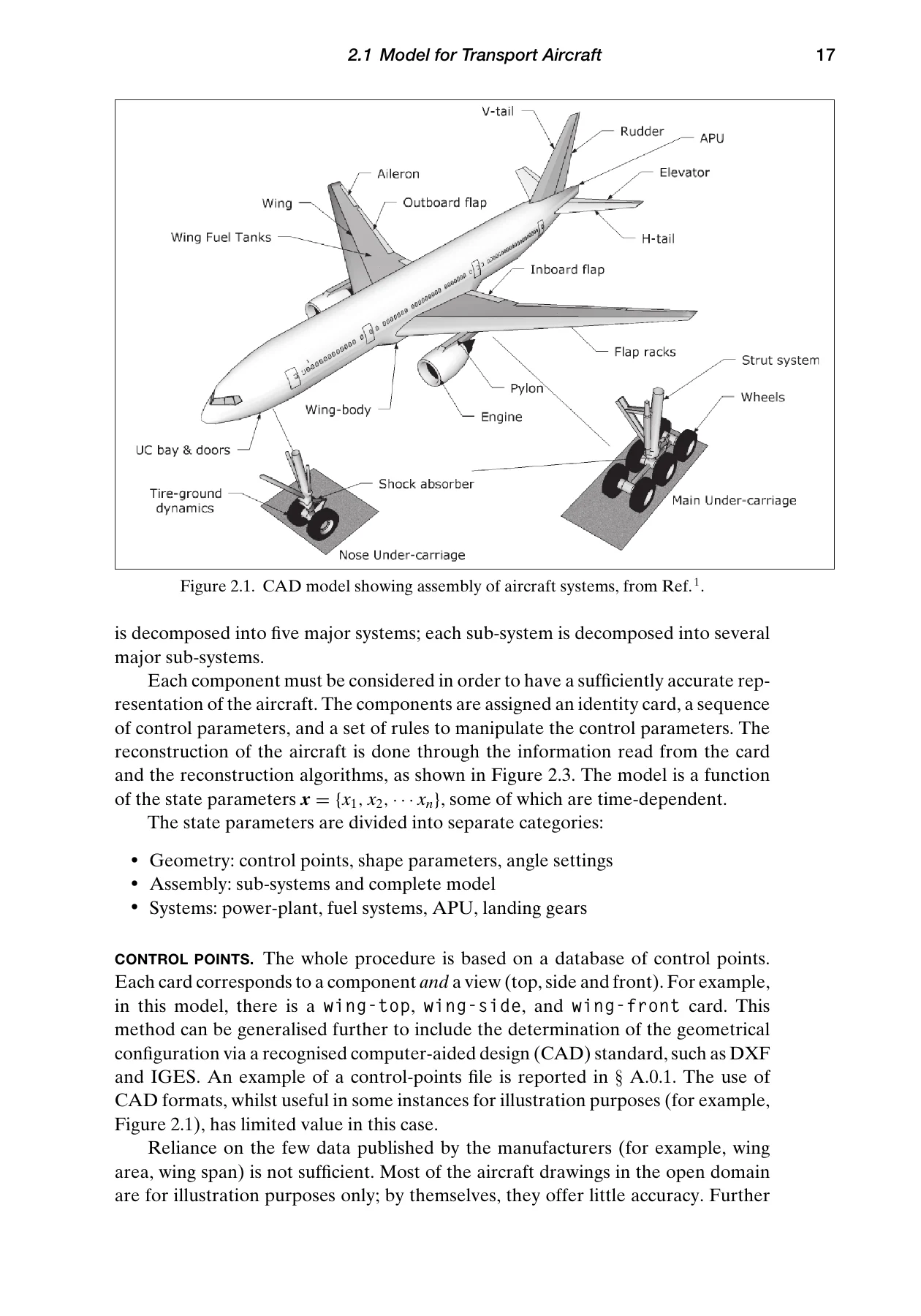
- Aircraft Models – Model for Transport Aircraft, Wire-Frame Definitions, Stochastic Method for Reference Areas, Wing Sections, Wetted Areas, Aircraft Volumes, Mean Aerodynamic Chord, Geometry Model Verification, Reference Systems
- Weight and Balance Performance – Design and Operational Weights, Weight Management, Operational Limits, Centre of Gravity Envelopes, CG Travel during Refuelling, CG Travel in Flight, Operational Moments, Wing Tanks, Mass and Structural Properties, Moments of Inertia
- Aerodynamic Performance – Aircraft Lift, Wing Lift during Ground Run, Lift Augmentation, Maximum Lift Coefficient, Aircraft Drag, Lift-Induced Drag, Profile Drag, Wave Drag, Interference Drag, Landing-Gear Drag, Transonic Airfoil Model, Aircraft Drag at Transonic and Supersonic Speeds, Buffet Boundaries, Aerodynamic Derivatives, Float-Plane Hull Resistance, Vortex Wakes
- Engine Performance – Gas Turbine Engines, Thrust and Power Ratings, Engine Derating, Transient Response, Turbofan Engine Model, Aero-Thermodynamic Model, Determination of Design Point, Rubber Engines, Effects of Contamination, Performance Deterioration, Turboprop Engines, Turbojet with After-Burning, Generalised Engine Performance, Auxiliary Power Unit
- Propeller Performance – Propeller Definitions, Propeller Limitations, Propulsion Models, Axial Momentum Theory, Blade Element Method, Propeller in Non-Axial Flight, Flight Mechanics Integration, Propeller Rotational Speed, Propeller Installation Effects, Gearbox Effects
- Airplane Trim – Longitudinal Trim at Cruise Conditions, Trim Drag, Solution of Static Longitudinal Trim, Stick-Free Longitudinal Trim, Airplane Control under Thrust Asymmetry, Dihedral Effect
- Flight Envelopes – The Atmosphere, International Standard Atmosphere, Other Atmosphere Models, Operating Speeds, Design Speeds, Optimum Level Flight Speeds, Ceiling Performance, Cabin Pressurisation, Flight Envelopes, Supersonic Flight, Supersonic Dash, Supersonic Acceleration
- Take-Off and Field Performance – Take-Off of Transport-Type Airplane, Take-Off Equations, Rolling Coefficients, Solution of Take-Off Equations, One Engine Inoperative, Decelerate-Stop, Accelerate-Stop, Take-Off of Propeller Aircraft, Minimum Control Speed, Aircraft Braking Concepts, Performance on Contaminated Runways, Closed-Form Solutions, Ground Operations, Bird Strike
- Climb Performance – Steady Climb of Jet Airplane, Steady Climb of Propeller Airplane, Climb at Maximum Angle of Climb, Climb to Altitude of Commercial Airplane, Climb Profiles, OEI Take-Off and Go-Around, Energy Methods, Total-Energy Model, Specific Excess Power Charts, Differential Excess Power Charts, Minimum Problems with Energy Method
- Descent and Landing Performance – En-Route Descent, Final Approach, Continuous Descent Approach, Steep Descent, Unpowered Descent, Minimum Sinking Speed, Minimum Glide Angle, Maximum Glide Range with Energy Method, Holding Procedures, Landing Performance, Landing Run, Crab Landing, Go-Around Performance
- Cruise Performance – Point Performance, Specific Air Range at Subsonic Speed, Figure of Merit, Weight-Altitude Relationship, Numerical Solution of Specific Air Range, Range Equation, Endurance, Subsonic Cruise of Jet Aircraft, Cruise Range of Propeller Aircraft, Cruise Altitude Selection, Cruise Performance Deterioration, Cost Index and Economic Mach Number, Centre of Gravity Position, Supersonic Cruise
- Manoeuvre Performance – Powered Turns, Banked Turn at Constant Thrust, Turn Power and High-Speed Manoeuvre, Turn Rates and Corner Speed, Minimum-Fuel Turn, Unpowered Turns, Manoeuvre Envelope V-n Diagram, Sustainable g-Loads, Roll Performance, Pull-Up Manoeuvre, Flight in a Downburst
- Thermo-Structural Performance – Cold-Weather Operations, Aircraft Icing, Aviation Fuels, Fuel Temperature in Flight, Fuel-Temperature Model, Fuel-Vapour Model, Heat-Transfer Model, Tyre-Heating Model, Numerical Simulations, Jet Blast
- Mission Analysis – Mission Profiles, Operational Parameters, Range-Payload Chart, Mission Analysis, Mission Range for Given Fuel and Payload, Mission Fuel for Given Range and Payload, Reserve Fuel, Redispatch Procedure, Take-Off Weight Limited by MLW, Cruise with Intermediate Stop, Fuel Tankering, Equal-Time Point and Point-of-No-Return, Direct Operating Costs, Risk Analysis in Aircraft Performance
- Aircraft Noise: Noise Sources – Definition of Sound and Noise, Integral Metrics, Aircraft Noise Model, Polar-Emission Angle, Propulsive Noise, Fan and Compressor Noise, Combustor Noise, Turbine Noise, Single-Jet Noise, Co-Axial Jet Noise, APU Noise, Airframe Noise, Wing Noise, Landing-Gear Noise, Propeller Noise
- Aircraft Noise: Propagation – Airframe Noise Shielding, Atmospheric Absorption of Noise, Ground Reflection, Ground Properties, Turbulence Effects, Wind and Temperature Gradient Effects
- Aircraft Noise: Flight Trajectories – Aircraft Noise Certification, Noise-Abatement Procedures, Cumulative Noise Index, Flight-Mechanics Integration, Noise Data Handling, Noise Sensitivity Analysis, Noise Footprint, Noise Maps Refinement, Noise from Multiple Aircraft Movements
- Environmental Performance – Aircraft Contrails, Cirrus Clouds, Cruise Altitude Flexibility, The Contrail Factor, Effects of Propulsive Efficiency, Heat Released in High Atmosphere, Radiative Forcing of Exhaust Emissions, Landing and Take-Off Emissions, Carbon-Dioxide Emissions, The Perfect Flight, Emissions Trading
- Epilogue
- Appendix A: Gulfstream G-550
- Appendix B: Certified Aircraft Noise Data
- Appendix C: Options for the FLIGHT Program
This Advanced Aircraft Flight Performance manual stands apart from conventional aircraft performance texts through its comprehensive integration of theoretical analysis, numerical simulation, and practical validation. The book is accompanied by fully comprehensive flight codes, including the FLIGHT program for transport aircraft performance and mission analysis (approximately 160,000 lines of code), a propeller code fully integrated with FLIGHT, and a supersonic flight performance code (SFLIGHT). Block flowcharts throughout the text help readers understand computer programs, numerical models, system analysis, and flight performance calculations.
The Advanced Aircraft Flight Performance manual covers a remarkable breadth of topics with depth rarely found in a single volume. The aerodynamic performance chapters provide detailed methods for calculating lift and drag across all flight regimes, including transonic and supersonic speeds, while the engine performance chapters develop accurate models for high by-pass turbofan engines, low by-pass turbojets, and turboprop engines that provide at least 20 different engine parameters over the full flight envelope. The propeller performance chapters present both axial momentum theory and blade element methods, with full integration into the flight mechanics framework.
What This Manual Enables You to Do
The Advanced Aircraft Flight Performance manual provides aerospace professionals, researchers, and students with the analytical capabilities to:
- Perform comprehensive mission analysis – Calculate fuel requirements, payload-range charts, and optimal flight trajectories for commercial transport aircraft with validated numerical methods
- Analyse take-off and landing performance – Determine balanced field length, accelerate-stop distances, minimum control speeds, and performance on contaminated runways with engineering accuracy
- Optimise cruise performance – Calculate specific air range, determine optimal cruise altitude and Mach number, evaluate cost index and economic Mach number, and analyse step-climb procedures
- Evaluate engine performance – Model turbofan, turboprop, and turbojet engines across their full operating envelopes, including effects of contamination, deterioration, and atmospheric conditions
- Analyse propeller performance – Calculate thrust, power, and efficiency for propellers in axial and non-axial flight, including installation effects and gearbox losses
- Determine flight envelopes – Calculate stall lines, operational ceilings, and high-speed boundaries for subsonic and supersonic aircraft
- Analyse aircraft noise – Model noise sources (engine, airframe, propeller, APU), propagation effects (atmospheric absorption, ground reflection, wind), and noise trajectories for certification and community impact assessment
- Assess environmental performance – Analyse contrail formation, radiative forcing, carbon-dioxide emissions, and landing/take-off emissions
- Perform weight and balance analysis – Calculate mass properties, moments of inertia, centre of gravity envelopes, and fuel tank effects on aircraft balance
- Analyse manoeuvre performance – Calculate turn rates, corner speeds, V-n diagrams, roll performance, and flight in downburst conditions
- Investigate thermo-structural performance – Model fuel temperature in flight, tyre heating, aircraft icing effects, and jet blast characteristics
Why This Manual Matters
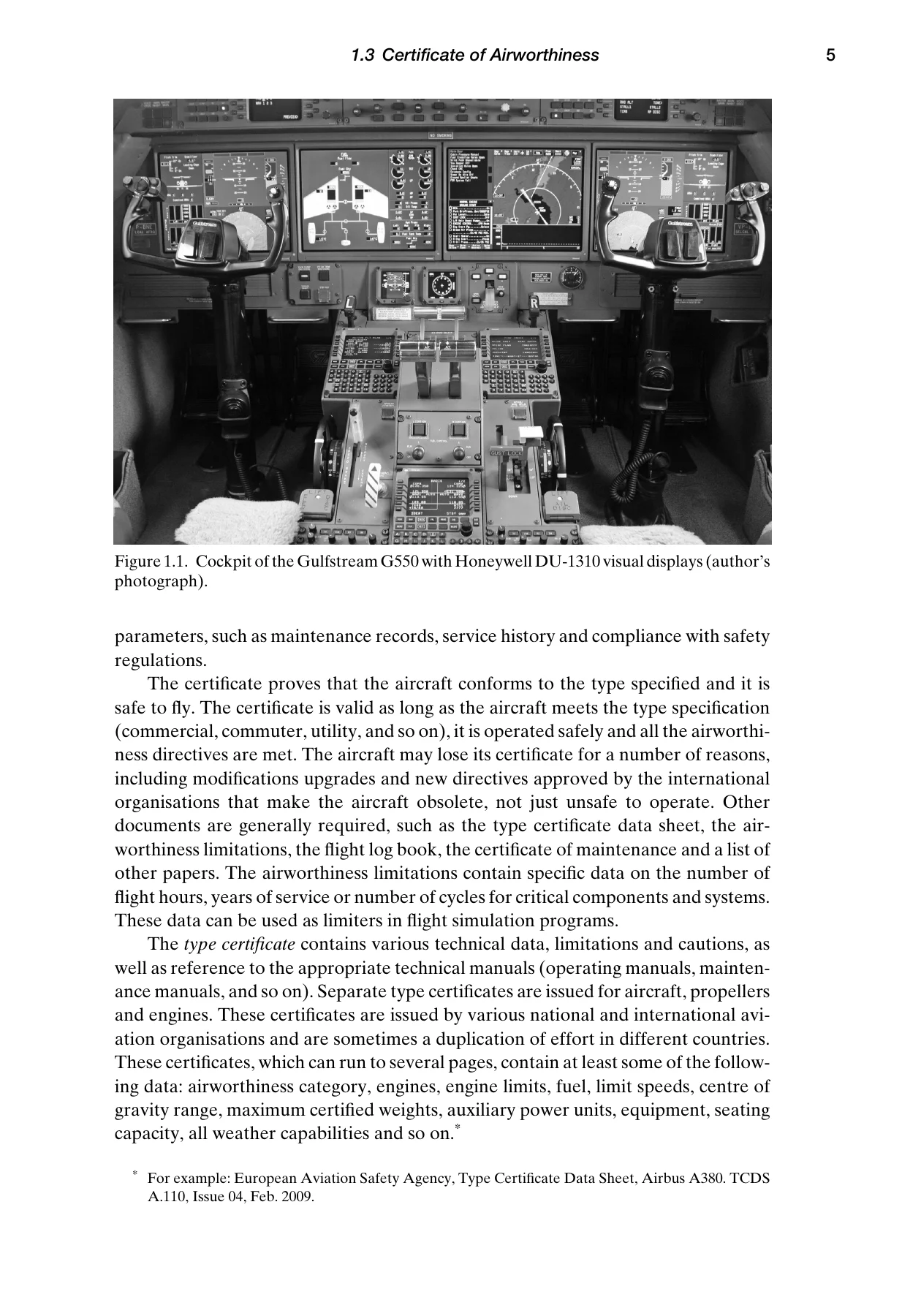
In the field of aircraft performance, there is no laboratory experiment that can be used for verification. Accurate prediction methods are essential, and the Advanced Aircraft Flight Performance manual delivers validated, engineering-grade tools and methods that have been tested against real flight data, wind-tunnel experiments, and manufacturer specifications. The case studies throughout the book – covering aircraft from the Airbus A320 and A380 to the Boeing B747 and B777, the Gulfstream G550, the ATR72-500, and many others – demonstrate the practical application of every method presented.
The Advanced Aircraft Flight Performance manual is unique in its coverage of environmental performance. As aviation faces increasing scrutiny over its environmental impact, the ability to analyse and optimise noise emissions, carbon-dioxide emissions, and contrail formation becomes essential. The book’s discussion of the environmental performance of aircraft, including detailed methods for noise prediction and emissions analysis, positions it as a forward-looking resource for an industry that must balance performance with environmental responsibility.
For engineers working in aircraft design, performance analysis, flight operations, or aviation environmental assessment, this manual provides the complete analytical framework needed to understand and predict how aircraft actually perform. The validation strategies, sensitivity analyses, and comprehensive numerical methods described make this an indispensable reference for professional practice and advanced study.
IMAGES PREVIEW
Instant PDF Delivery
Your Advanced Aircraft Flight Performance manual is available for instant download as a PDF. There’s no shipping, no waiting, and no physical product to track – as soon as your payment is processed, you’ll have immediate access to the complete 664-page reference. The PDF format works on any device – Windows PC, Mac, Linux, iPad, Android tablet, or smartphone – and every page is printable for quick reference in the office, laboratory, classroom, or hangar. Whether you’re an aerospace engineering student working through the complexities of transonic drag rise, a practising engineer analysing a new aircraft configuration, or a researcher investigating environmental performance, this Advanced Aircraft Flight Performance manual delivers the comprehensive, validated engineering analysis you need, instantly.
Reviews
There are no reviews yet.