
Daewoo Doosan DSL601 DSL801 Skid Steer Loader Operation & Maintenance Manual – PDF DOWNLOAD
Original price was: $65.95.$29.95Current price is: $29.95.
Daewoo Doosan DSL601 DSL801 Skid Steer Loader Operation & Maintenance Manual – PDF DOWNLOAD
Description
Daewoo Doosan DSL601 DSL801 Skid Steer Loader Operation & Maintenance Manual – PDF DOWNLOAD
DESCRIPTION:
Daewoo Doosan DSL601 DSL801 Skid Steer Loader Operation & Maintenance Manual – PDF DOWNLOAD
- This manual explains the safety rules, lubrication, testing and controls to operate and maintain the DAEWOO Skid Steer Loader for safe and optimal performance.
- The operator should be familiar with all of the contents of this manual before starting the vehicle to insure maximum performance, safety and economy.
- Descriptions explain the testing, starting, operation, and stop procedures in detail.
- To maintain the vehicle in top condition, the operator should periodically check the vehicle in accordance with the service schedule.
- The periodic maintenance intervals in this manual are based on the service hour meter.
Owner/Operator Safety Overview:
1.1 Safety Message for Owners and Operators:
- Your DAEWOO equipment has been designed with the safety of the persons who will operate and service it in mind. However, our care in designing this equipment does not guarantee that it will be used in a safe manner.
- Safe operating practice is where your responsibility and the responsible actions of all the persons who operate and maintain this equipment take over. 1.1.1 Owner/Employer Responsibility Both the Occupational Safety and Health Act (OSHA) and the American National Standards Institute (ANSI) make you, the employer, responsible for providing formal training and a safe workplace environment for the use of this equipment.
- Your responsibility also includes establishing daily inspections and scheduled maintenance practices to ensure the equipment’s ongoing safe operating condition. The manual you are reading now is intended to help you meet your responsibilities. It identifies warning labels on the equipment and explains what they mean.
- It describes some of the general and specific hazards to be aware of when operating the equipment. It also offers some suggestions to be considered when establishing workplace rules and operator training programs.
- As the owner/employer, you also have the responsibility to be certain that the equipment you have placed into service is capable of doing its intended job. This includes matching equipment design to working conditions, capacity to the size of loads it wil1I be handling, and selecting suitable attachments and options.
- This section of the manual discusses these issues as well. At the end of this overview, we list some of the specific OSHA, ANSI, and other published resources you can consult for ways to help you comply with safety requirements for the use of this equipment in your workplace.
1. 1.2 Operator Responsibility :
- If your job includes operating this equipment, you should first get formal training in how to operate it properly and safely. Furthermore, you should ensure that your workplace is maintained to assure your continued safety and the safety of others around whom you work. In addition, you, the operator, have the responsibility to: •
- Follow the safety practices in which you are trained – at all times, every day. •
- Recognize and avoid potential hazards in your workpl1ace.
- Understand and abide by the Warning labels attached to the equipment.
- Inspect the equipment for its serviceability at the beginning of each shift.
- Report immediately any service problems you notice before you use the equipment or that develop while you are using it.
- Report immediately any unsafe workplace conditions that threaten your safety or the safety of others.
- Avoid horseplay or other reckless actions that you know endanger yourself or others. In short, every operator of this equipment has the responsibility to use common sense at all times and to make safety his or her number one job priority. 1.2 Maintaining a Safe Workplace As we said, operators should recognize and avoid hazards in the workplace. Although some injuries occur because of unsafe operating practices, others result from unnecessary workplace hazards. To maintain a safe workplace environment for this equipment, do the following:
- Remove physical hazards where the equipment will be operated, in either the plant or the yard.
- Separate pedestrian and equipment traffic wherever possible.
- Place convex mirrors at blind intersections.
- Require the use of horns at intersections or when approaching pedestrian areas.
- Establish equipment speed limits.
- Consider installing and maintaining backup alarms and flashing caution lights on equipment.
- Use edge guards, levelers and trailer locks on docks.
TABLE OF CONTENTS:
Daewoo Doosan DSL601 DSL801 Skid Steer Loader Operation & Maintenance Manual – PDF DOWNLOAD
1.0 OWNER/OPERATOR SAFETY OVERVIEW
1.1 Safety Message tor Owners and Operators .. ……… ….. ……………. …….. ….. ………………………. ………….. .. ………… … 1
1.1 .1 Owner/Employer Responsibility ………………………………………………. … ………. ………………………… … ……… 1
1.1.2 Operator Responsibility ………. …………………………… …………………………………… ………….. ………… ……….. 2
1.2 Maintaining a Safe Workplace ……………………………… .. …………. .. ……….. …………………………………….. ……….. …. … 2
1.3 Matching the Machine to the Job ……. …………. … ………… .. …………. .. ………… …. ……. .. .. .. ………………………………… 3
1 .3.1 Warning Signal Options … …………………. ….. ………………………………….. ………….. ……. .. ……………….. …….. 3
1.3.2 Modifications ……………….. …………. .. ………… ……………. … …. ………………… .. …………. .. ……….. ……………. … 3
1 .4 Maintenance Practices …… …………………………. .. ………… …………………………. …. ……… ………….. …. ………………….. 4
1.5 Operator Safety Training ……………… …………………………….. …. ………… …. ……………………………… … .. …… ………….. 4
1.5.1 Formal Training ………………………………….. …………………………… ….. ………………….. ………….. ……………… 4
1.5.2 Inspection Training .. ….. ………. .. ……….. ………………………………… …. …………… …………. .. ………… …………… 4
1.5.3 Training Program Development ………………………………………………………………… …………….. .. ………. … … 5
1.5.4 Practical Training ….. ………………… ….. …………. ……………. .. ……………………………………………………………. 5
1.5.5 Recognition ………. …. ………………………… .. ……… …. ………….. ………… .. …. ……….. … ……. .. …………………. …. 5
1.6 Information Resources for Operation, Maintenance, and Safety ………. …………. …. …. ………………… .. ………. ….. … 6
2.0 SAFETY INFORMATION
2.1 Safe Operating Practices ……………. … .. …….. ………….. ………….. ………………………… .. .. …… ………………. ……………… 8
2.2 Rated Operating Load Plate …………………….. ……………. .. ………… … ……. …. .. ………….. ………. …. ……………. ………. 10
2.3 Safety Warning Label Locations and Descriptions ………… ……………. ………….. .. …………. .. …………………………… 11
2.3.1 Label Locations …………… ………. … … …………. ………………………………… ….. ………. ………. …………………… 11
2.3.2 Label Descriptions ……………… .. ……….. .. …………………………………… ………….. …………… …………………… 14
2.4 General Safety and Hazard Information ……………………………………… … …. ……………. … …………………………. .. .. 18
2.4.1 Unauthorized Modification ………………………………………………………………………………………. .. ………….. 18
2.4.2 Clothing and Personal Protective Items ………………………………… …. …………………………. … ………………. 18
2.4.3 Mounting and Dismounting ……. ………………………… .. ………. …. ……………………………………………………. 19
2.4.4 Fire Prevention and Hazardous Fluids and Vapors …. ……………………………………………………………….. 20
2.5 Operatin9 Safety … …………………………….. …………………… ……………… ………………………………………………………. 21
2.5.1 Work Site Safety .. …….. .. ……………………….. .. ……………………… …………. ………… ………… …. ………….. .. … 21
2.5.2 Operator’s Cab ………….. ………………. .. …………… .. …………………….. … …. ………………… ………….. ………….. 22
-ivcont.
2.0 SAFETY INFORMATION
2.5.3 Safe Operating Practices ………………….. …………….. ………… …… …………………………………………………… 22
2.5.4 Seat Bar Restraint System …………………………………………………………………………………………………….. 23
2.5.5 Venti lation for Enclosed Areas ………. …………. ………………………………………………. .. ………………. …. …. … 24
2.5.6 Flammable and Explosive Atmospheres …………………………………………………………………………………. 24
2.5.7 Precautions tor Mirrors, Windows, and Lights ………………………………………………………………………….. 25
2.5.8 Ensuring Visibility .. … …….. ….. … …. ……………………………………………….. ……………………………….. ……….. 25
2.5.9 Traveling in Reverse, Safe Working Zone …………………… …… …… .. ………………………………………… …… 25
2.5.1 O Traveling on a Slope .. .. …………………………………………………………………………………………. …………….. 26
2.5.11 Avoiding High-Voltage Cables ………………………………………………… .. ………….. …… .. ……… … …. … ………. 27
2.5.12 Operating on Snow ……………………………………………………………………………………………………………….. 28
2.5.13 Working on Loose Ground or Uneven Surfaces ……………………… ……. ……………………….. .. …………….. 28
2.5.14 Preventing Crushing or Cutting ……………………………………………………………………………………………… 29
2.5.15 Parking ……………………………………………………………………………………………………………………………….. 29
2.5.16 Precautions for Attachments ……………………………. …. ………………………………………… …………………….. 30
2.5.17 Precautions for Loading and Emptying the Bucket …………………………………………………………………… 31
2.6 Maintenance Safety ………………………………………………………………………………………………………………………… 32
2.6.1 Periodic Maintenance …………… … …………………… ….. ……………………………… ………………………………….. 32
2.6.2 Boom Lock Operation ……….. ……………………………………………………………………… … ……………………… 33
2.6.3 Precautions for High Temperature Operations ………………… .. ……………………………………………………… 34
2.6.4 Maintaining and Inspecting Hydraulic Equipment ………………………….. ……………. .. ……………….. ………. 35
2.6.5 Precautions for High Pressure Oil ………………. …………………………………………………………………………. 36
2.6.6 Battery Hazard Precautions ………………………………………………………………………. ………………………… .. 37
2.6. 7 Waste Material Precautions ……………………………………………………………………………………… .. …………. 38
2.6.8 Rotating Fans and Belts ………………………………………………………………………………………………………… 38
2.6.9 Tire Maintenance …………………………………………………………………………………………………………………. 39
3.0 SERIAL NUMBER LOCATIONS
3.1 Vehicle Serial Number ………………………………………………………………………………………. …. ……. …….. ……. .. …….. 40
3.2 Engine Serial Number ………….. ……………… …… ……………………………………. …………………………….. ……………….. 40
-v4.0
MACHINE COMPONENTS
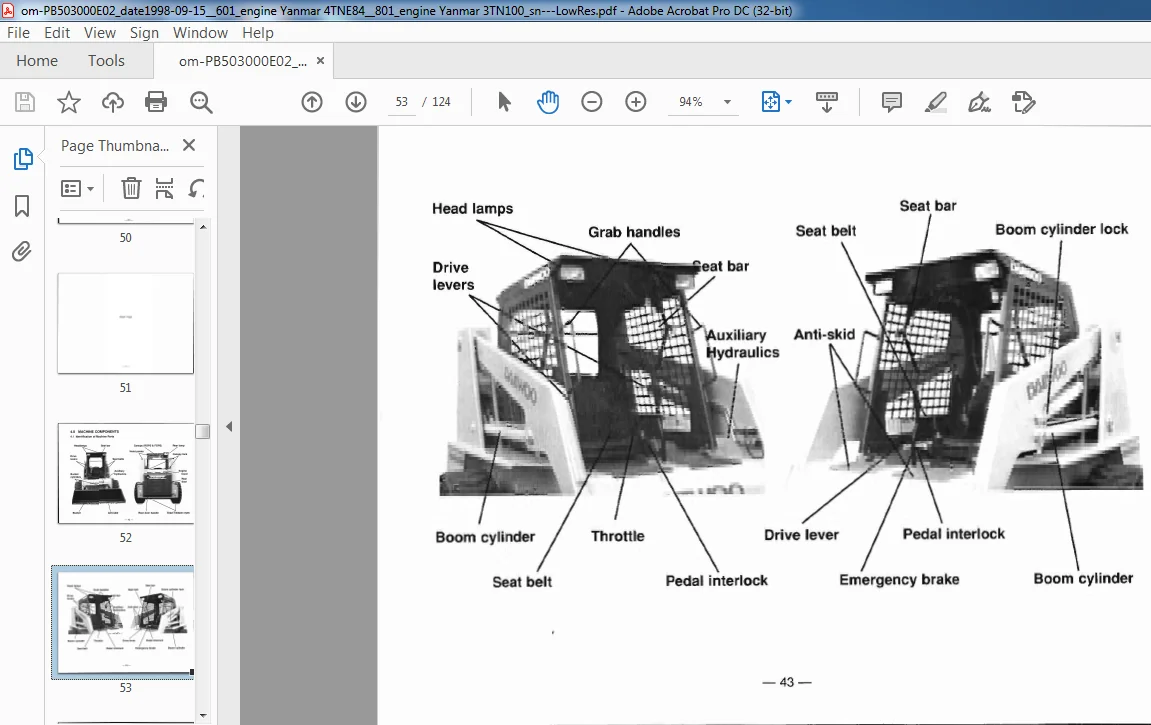
4.1 Identification of Machine Parts ……………………………………. · ……………………………………………………………………. 42
5.0 CONTROLS AND INSTRUMENTS
5.1 Instrument Panel ………………………… ……. … ………. .. ……………………………………………………………………………….. 44
5.2 Controls ………………………………………………………………………………………………………………………………………….. 48
5.2.1 Drive Control Lever ……………………………………………………………………………………………………………… 49
5.2.2 Pedals ………………….. ……………………………………………………………………………………………………. .. …… 50
5.2.3 Boom Pedal. ……………….. ……………………………………………………………………………………………………… 50
5.2.4 Bucket Pedal ……………………………… …………………………………………………………….. ……………………… 50A
5.2.5 Attachment Pedal ……………………………………………………………………………………………………………… 50A
5.2.5 Auxiliary Hydraulics Thumb Control …………………………………………………………………………………….. 50B
5.2.6 Engine Control ………………………. ………………………………………………………………………………… ✓ …….. SOC
5.2.7 Seat Bar ……………………………………………………………………………………………………………………………. 51
6.0 OPERATING INSTRUCTIONS
6.1 Inspection Before Boarding ……………………………………………………………………………………………………………….. 52
6.2 Boarding the Loader …………… .. …………………………………………………………………………………………………………. 52
6.3 Starting ………………. …………………………………………………………………………………………………………………………. 53
6.4 Traveling and Steering ………………………………………….. …….. … ………………………………………………………………… 54
6.5 Operation ………………………………………………………………………………………………………………………………………… 55
6.6 Traveling on a Slope, Parking …………………………………………………………………………………. ………. ….. …………… 58
6.7 Towing Procedures ………………………………………………………………………………………………………………………….. 59
6.8 Lifting …………………………………………………….. ………………………………………………………………………………………. 60
6.9 Transportation …………………………………………………………………………………………………………………………………. 60
6.10 Bucket and Attachments …………………. ……………………………. …………………………………………………………………. 61
6.11 Boom Lock Operation ………………………… ……………………………………………………………………………………………. 63
7.0 PERIODIC MAINTENANCE
7 .1 Safety Warnings ……………………………………………………………………………………………………………………………… 64
7.2 Access to Items Requiring Service …………………. …………………………………………………………………………………. 65
7.2.1 Rear door and engine hood … ………………………………………………………………………………………………. 65
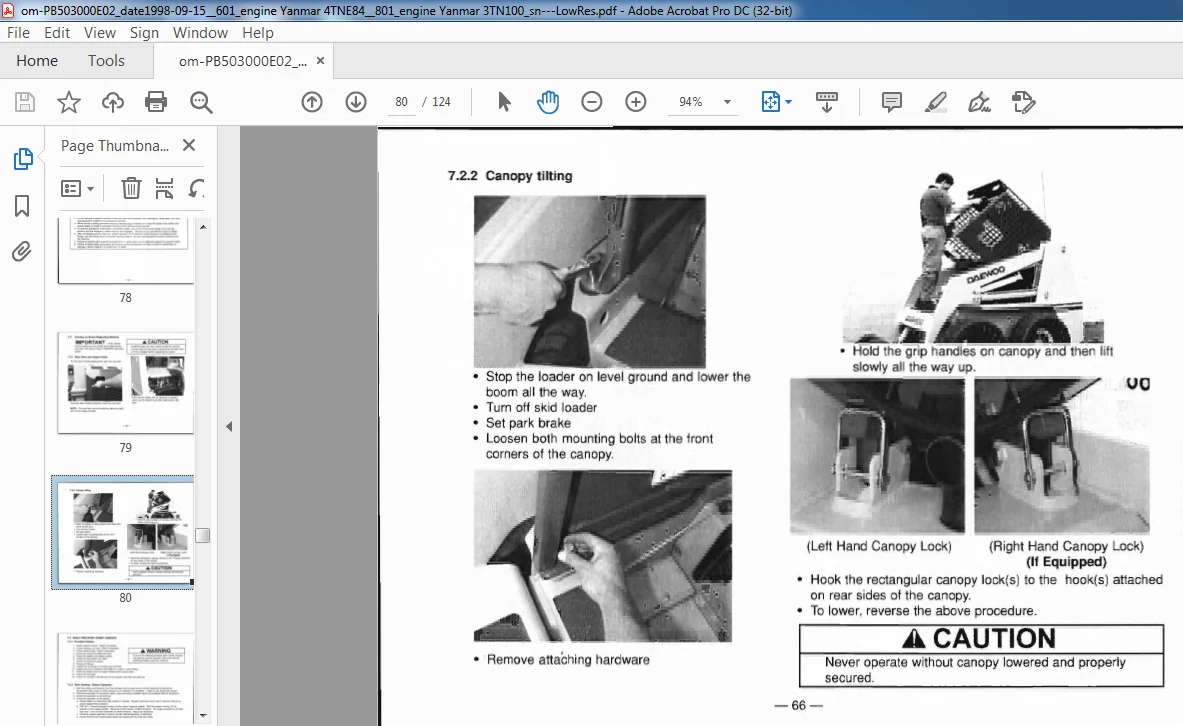
7.2.2 Canopy Tilting ……………………. ………………………………………………………………………………………………. 66
-vicont.
7.0 PERIODIC MAINTENANCE
7.3 Daily Pre/Post Start Checks ……………………… …………….. …. ……………………………………………….. …………………… 67
7 .3.1 Pre-Start Checks …………………………………………………………………………………………………………………. 67
7 .3.2 After Starting-Before Operation ……………………………………………….. …………….. …….. ……………………. 67
7.4 Service Schedule ……… … ……………………………………………………………………. ……………………… ……………. .. …….. 68
7.5 Lubrication Points ……………………………………………………………………………………………………………………………. 70
7.6 Operator Restraint Lubrication and Maintenance …….. ……………….. … ……………………………………………………… 74
7.6.1 Lubrication ……………………………………………………………………………………….. ………………… ………. ….. … 74
7.6.2 Function …. …………………………………………………………………………………………… ………….. … ………….. .. 74
7.6.3 Adjustment ……………………………………………….. ……………………………………………………………… ………. 74
7.7 Engine Lubrication …………………………… ………… ….. …………… … …………… …. ……….. ………………………………….. .. . 75
7.7.1 General …… …………. ……………… … ………. …………………. … ……………………………. .. ……… …………………… 75
7.7.2 Draining Engine Oil ……………………………………………………………………………………… ………….. …………. 75
7.7.3 Remove/Replace Engine Oil Filter ……………………….. ………………………………………………………………. 75
7.8 Engine Cooling System …. …………………………………….. ……………… …. ………….. ……………. ……………………………. 76
7.9 Fan Belt ……………………………………………………………………………………………………………………. …. ………….. .. ….. 77
7.9.1 Belt Tension ……………………… …. …………………………. ….. ……………… ……………. … ……………………………. 77
7.9.2 Adjustment ………………………………………………………………………………………………………………………… 77
7.10 Two Stage Air Filter ……… ………………………………………….. .. ………………. ……………… ………………. .. ……………. … .. 78
7.10.1 Removal-Primary Element …………………………………………………. .. … ……………….. …………………………. 78
7.1 0.2 Removal-Secondary Element …………………………………………………. …………………….. …………………… 78
7.10.3 Installation ………………………………………………………………………………………………………. ……………. …. 78
7 .11 Spark Arrestor …………………………. …………………………………………………………. …………….. .. …………….. ………….. 79
7.11.1 General ……………………… ……………… ……………………………………………………………………………………… 79
7.11.2 Maintenance …………………………………………………………………………………………………….. … …………….. 79
7.12 Battery ………………………………………………. … ………………………………………………. ……………………………………….. 80
7.12.1 Remove and Install ……………………………………………………….. ………………………………………………….. 80
7 .12.2 Jump Starting the Loader …………………………………………………………………………………………………….. 80
7.13 Fuel System/Filters ………………………………………………………………………………………………………………….. ……… 81
7.13.1 Removal/ Installation-Fuel Filter ……………………………………………………………………………………………. 81
7.13.2 Fuel Tank Drain ……………………………………………………………………………………. …………………………… 82
7.14 Injection Pump Priming …………………………………………………………………. ………… ……………………………… …. …… 82
-viicont.
7 .0 PERIODIC MAINTENANCE
7.15 Hydraulic System Maintenance ……………………….. …………………….. … …. .. ……………………………………………….. 83
7.15.1 Hydraulic Oil Level Indicator/Filler Neck ……………………. .. ……………………………………………………. 83
7.15.2 Filter Replacement ………………………………………………………………………………………… … …… ……….. 83
7.15.3 Hydraulic Filter Indicator Light ……………………………. .. ……………………………………… ………………….. 84
7.15.4 Hydraulic Tank Drain Plug ……………………………………………………………………………………………….. 84
7.16 Chain Case Drain and Refill ……………………………………………………………………………………………………………… 85
7.17 Parking Brake Adjustment …………………………………………………………………………. … …. ……………………………… 86
7.18 Tire Maintenance …………………………………………………………………………………………………………………… ………. 87
7.18.1 General Information ………………………………………………………………….. .. ……………………………………. 87
7.18.2 Inflation Pressures …………………………. .. ……………………………………….. ………………………………….. … 87
7.18.3 Installation and Removal …………………………………………………………………………………………………… 87
8.0 DIMENSIONAL & PERFORMANCE SPECIFICATION
8.1 Dimensional Specifications ……………………………………………………………. …………………………………………………. 88
8.2 Operational Specification (Per SAE J732 Feb 80) ……………….. ….. …………………………………………………………. 94
8.2.1 Performance ………………………………………………………………………………………………………………………. 94
8.2.2 Power Unit. ………. ………………………………………… ….. … … …………………………………. ………………………… 95
8.2.3 Final Drive Components ……………………………………………………………………………… .. …………………….. 96
8.2.4 Hydrostatic Transmission Pump ……………………. ……………………………. …….. …….. …………………………. 97
8.2.5 Hydraulic System ……………………………………………………………………………. … ………………………………. 99
8.2.6 Electrical Components ………………………………………………………………………………………………………. 101
8.2.7 Instrument Features ………………………………………………………………………………………………………….. 102
8.2.8 Seat …….. ………………………………………………………………………………………………………………………….. 103
8.2.9 Fluid Capacities & Specifications ………………………………………………………………………………………… 104
Warranty ………………………………………………………………………………………………………………………………………. 1 06
DAEWOO DOOSAN DSL601 DSL801 SKID STEER LOADER OPERATION & MAINTENANCE MANUAL – PDF DOWNLOAD:
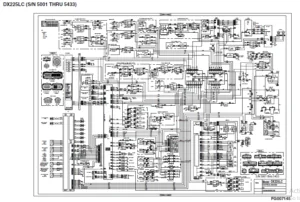
IMAGES PREVIEW OF THE MANUAL:
PLEASE NOTE:
- This is the SAME exact manual used by your dealers to fix your vehicle.
- The same can be yours in the next 2-3 mins as you will be directed to the download page immediately after paying for the manual.
- Any queries / doubts regarding your purchase, please feel free to contact [email protected]
R.D
Jaziel Wayne –
site works well, hope download and manual or good also