
Gulfstream G500 GVII Aircraft Systems Pilot Guide – Complete PDF
Original price was: $39.95.$24.95Current price is: $24.95.
Comprehensive 438-page Gulfstream G500 (GVII) aircraft systems pilot guide covering air conditioning, APU, doors, electrical, fire protection, flight controls, fuel, hydraulics, ice protection, landing gear, oxygen, pneumatics, powerplant, pressurization, and water/waste systems.
Description
Gulfstream G500 GVII Aircraft Systems Pilot Guide – Complete PDF Edition
This Gulfstream G500 GVII Aircraft Systems Pilot Guide is a comprehensive 438-page technical reference covering every major aircraft system on the G500 (GVII) platform. Whether you are a pilot transitioning to the G500, a simulator instructor, or a maintenance professional seeking system-level understanding, this pilot guide delivers detailed explanations of how each system works, how the components interact, and what limitations and abnormal procedures apply.
The Gulfstream G500 GVII Aircraft Systems Pilot Guide is organized system-by-system, with each chapter covering normal operations, component descriptions, limitations, and abnormal procedures. The guide draws from pilot training references and includes detailed system schematics, synoptic page explanations, and operational notes that make complex aircraft systems understandable.
File Details
- Manual Type: Aircraft Systems Pilot Guide
- Brand: Gulfstream
- Model: G500 (GVII)
- Language: English
- Page Count: 438
- File Format: PDF
- Document Type: Pilot’s Aircraft Systems (PAS) reference
Chapters Covered
- Air Conditioning System
- Auxiliary Power Unit (APU)
- Doors
- Electrical System
- Fire Protection System
- Flight Control System
- Fuel System
- Hydraulic System
- Ice and Rain Protection System
- Landing Gear and Brakes Systems
- Lighting
- Oxygen System
- Pneumatic System
- Powerplant
- Pressurization System
- Water and Waste Systems
What This Gulfstream G500 GVII Aircraft Systems Pilot Guide Covers
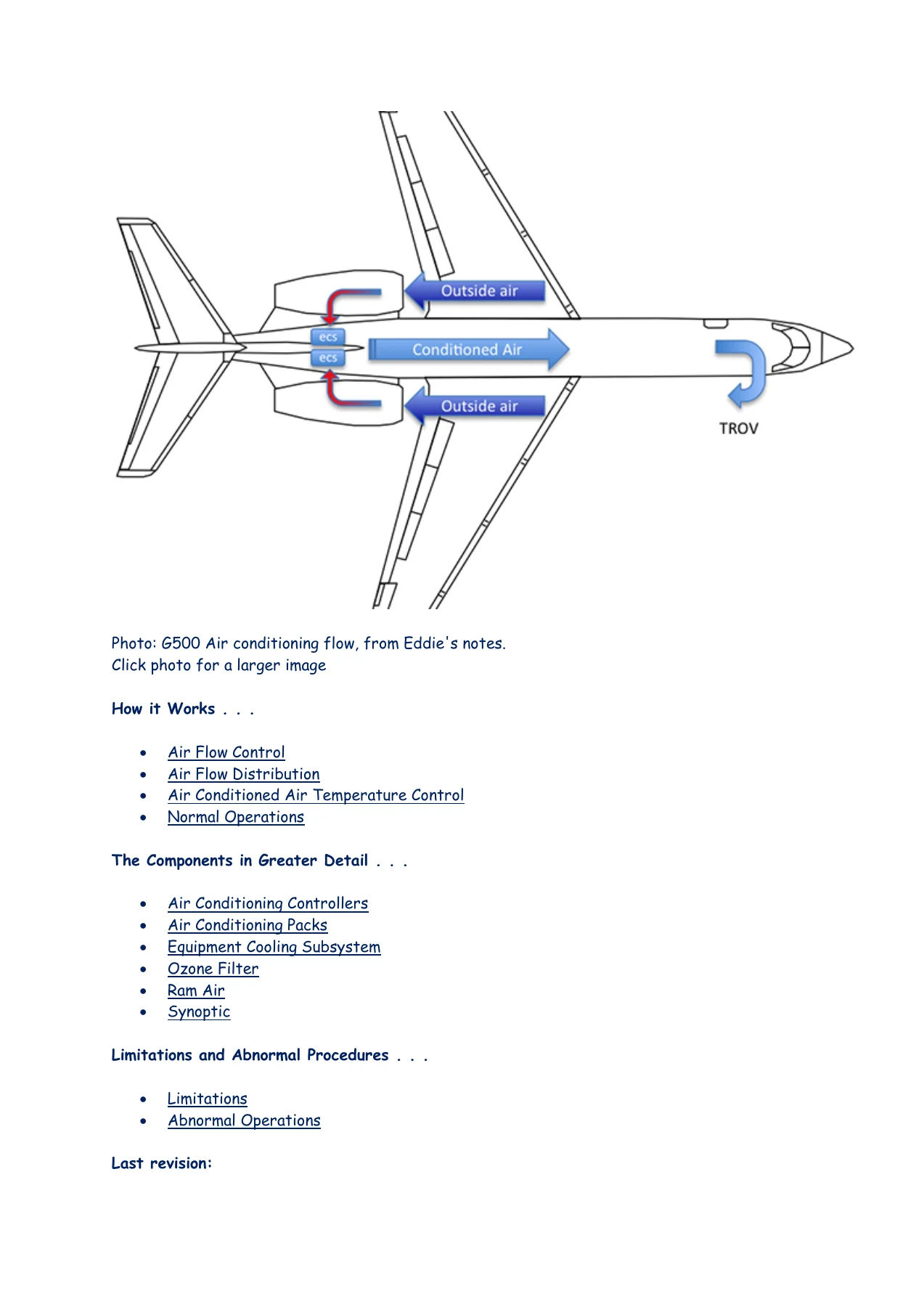
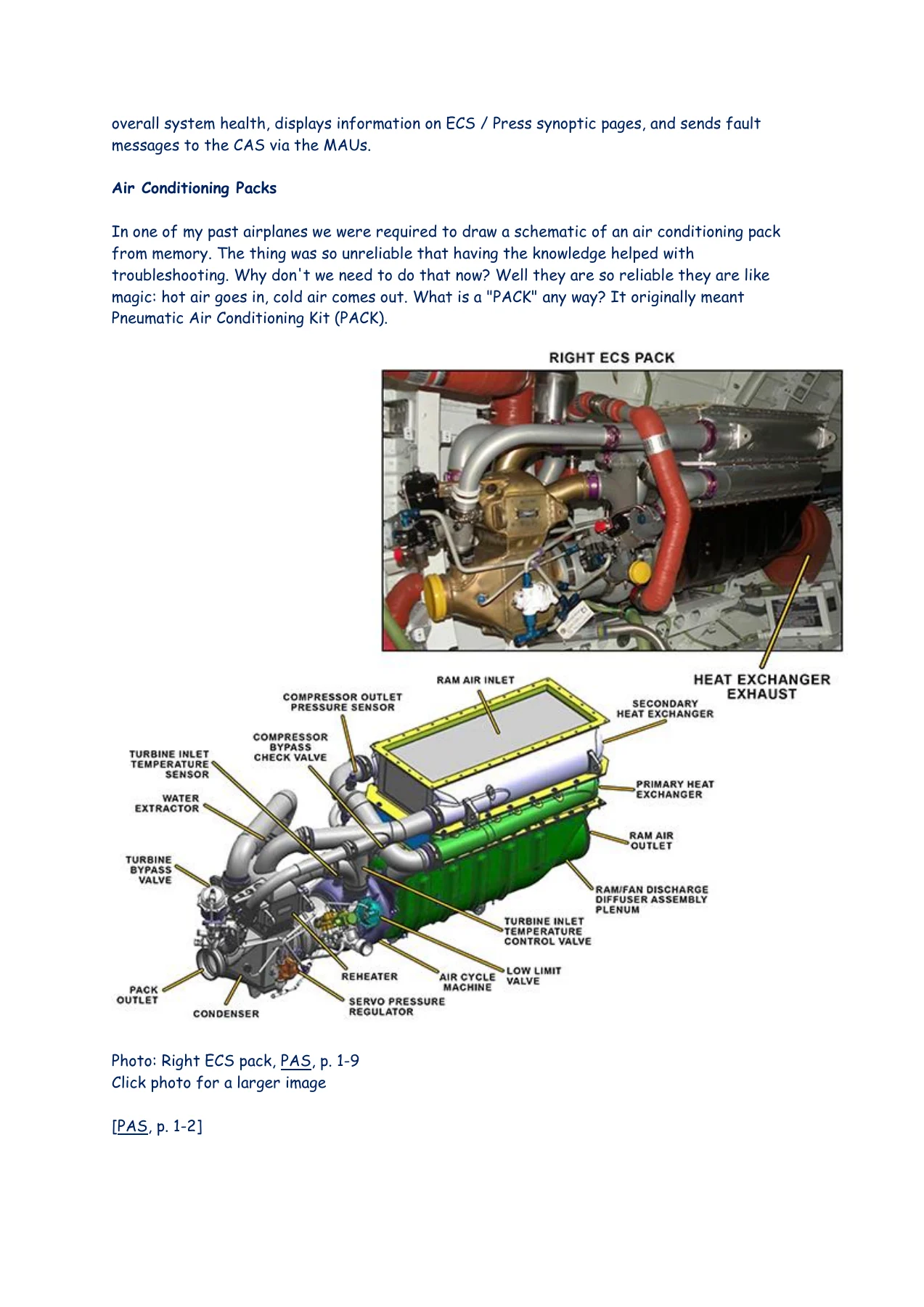
The Gulfstream G500 GVII Aircraft Systems Pilot Guide begins with the air conditioning system, explaining how bleed air from the engines or APU is cooled by two air cycle machines and distributed through zone temperature controls. It details the Air Conditioning Controllers (ACCs), pack operation, equipment cooling, ozone filters, and ram air functionality, including single-pack limitations and abnormal operations.
The APU chapter covers the Honeywell HGT400[G] gas turbine, including the air inlet door, control panel, load control valve, lubrication system, and OHPTS synoptics. Operational limitations, abnormal procedures, and the APU’s role in electrical and pneumatic power generation are explained in detail.
The doors chapter provides complete coverage of the main entrance door, acoustic door, baggage compartment door, internal baggage door, and tail compartment door. Door operation, bayonets, vent flaps, manual open handles, and emergency entry procedures are all described with reference to the door synoptic.
The electrical system chapter covers AC and DC power generation and distribution, including Integrated Drive Generators (IDGs), APU generator, Ram Air Turbine (RAT) generator, Transformer Rectifier Units (TRUs), main batteries, emergency batteries, EBHA battery, UPS battery, Bus Power Control Units (BPCUs), Generator Control Units (GCUs), and the Secondary Power Distribution System (SPDS). Cockpit controls, synoptics, and abnormal operations are thoroughly documented.
Fire protection coverage includes APU overheat and fire detection, engine overheat and fire detection, engine fire zones, fire extinguishing bottles, equipment area overheat detection, baggage compartment smoke detection and evacuation, and system tests. The fire test switch and master test switch procedures are explained with expected indications.
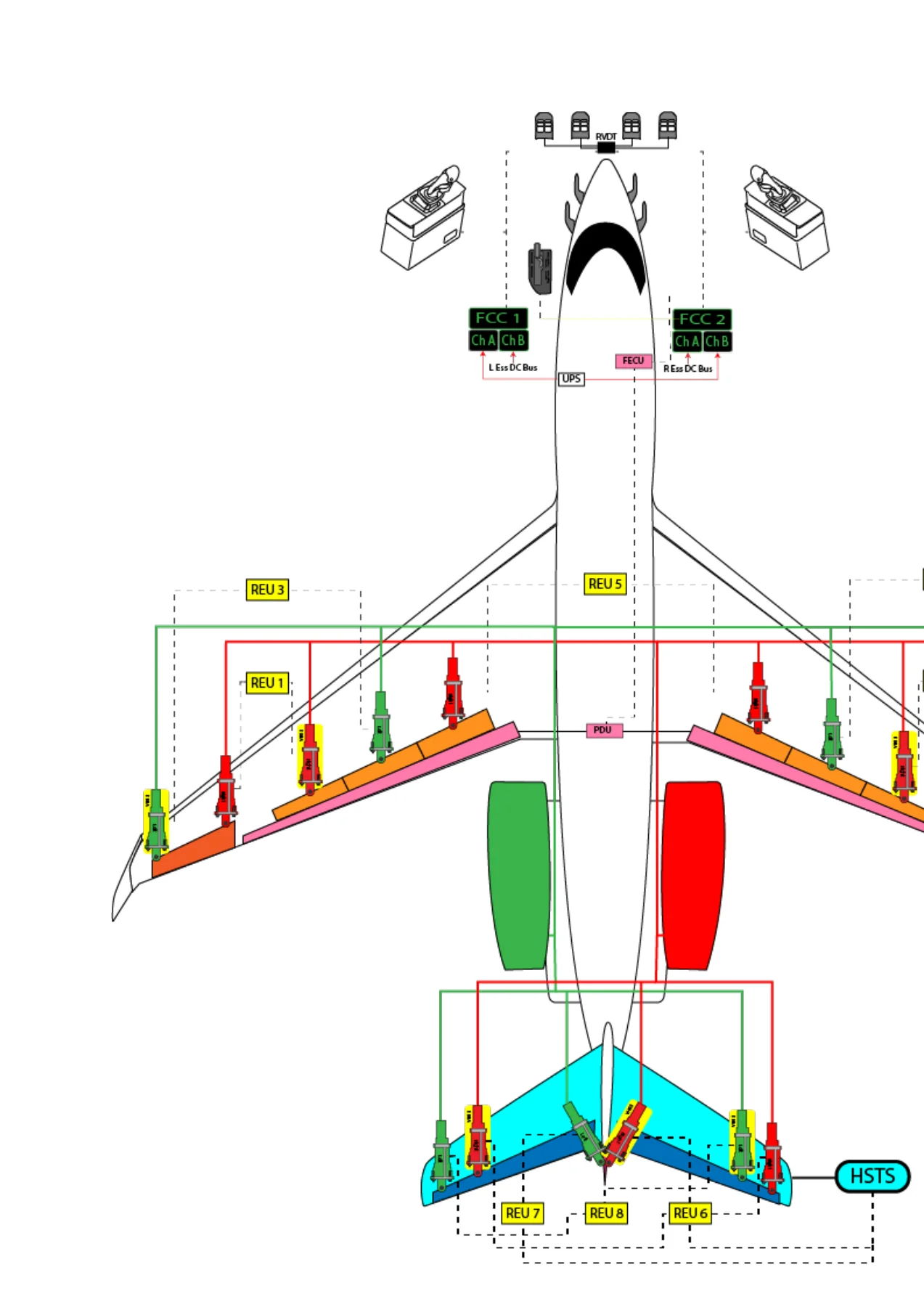
The flight control system chapter is extensive, covering the Active Control Sidesticks (ACS), rudder pedals, flight control actuators (EHSAs and EBHAs), Horizontal Stabilizer Trim System (HSTS), speed brakes, flaps, Flight Control Computers (FCCs), Backup Flight Control Unit (BFCU), Remote Electronics Units (REUs), and the flight controls synoptic. Control laws, trim switches, yaw trim, and abnormal operations are detailed.
Fuel system coverage includes fueling and defueling, fuel storage, heated fuel return, fuel balancing, crossflow and intertank valves, fuel boost pumps, fuel shutoff valves, hopper tanks, and the single point refueling system. Fuel limitations and abnormal operations are clearly presented.
The hydraulic system chapter describes the left and right systems, engine driven pumps, Power Transfer Unit (PTU), auxiliary pump, accumulators, filter manifolds, heat exchangers, reservoir assemblies, and the hydraulic synoptic. Limitations and abnormal operations are included.
Ice and rain protection covers ice detection, wing anti-ice, cowl anti-ice, probe anti-ice, windshield heat, cabin window heat, and EVS window heat, with their respective limitations and abnormal procedures.
Landing gear and brakes systems are covered in detail, including the anti-skid system, autobrakes, brake assemblies, Brake Control Unit (BCU), brake temperature monitoring, downlock safety pins, emergency extension system, gear doors, Landing Gear Control Unit (LGCU), nose wheel steering, parking brake system, proximity sensors, uplocks, Weight on Wheels (WOW) system, wheels and tires, and Tire Pressure Monitoring System (TPMS).
Additional chapters cover lighting, oxygen system, pneumatic system, powerplant (including the Pratt & Whitney PurePower PW800 engine), pressurization system, and water and waste systems. Each chapter follows a consistent structure: how it works, components in greater detail, limitations, and abnormal/emergency operations.
Systems and Components in Detail
The Gulfstream G500 GVII Aircraft Systems Pilot Guide provides component-level detail throughout. For example, the air conditioning chapter explains that hot air is tapped from two stages of the engine compressors or the APU and delivered through the bleed air duct. Pack inlet valves regulate airflow, ozone filters convert ozone (O3) into oxygen (O2), and the air conditioning packs cool the air to 35°F before it enters the distribution system.
The electrical chapter details how AC power is normally supplied by an Integrated Drive Generator (IDG) on each engine, with the APU generator, RAT generator, or external AC power cart as alternatives. DC power is supplied by five Transformer Rectifier Units (TRUs), with additional backup from main batteries, EBHA battery, UPS battery, and emergency batteries. The Secondary Power Distribution System (SPDS) uses Solid State Power Controllers (SSPCs) as virtual circuit breakers.
The flight control chapter describes the Active Control Sidesticks with their internal computers, cross-cockpit coupling, and feedback modes. The chapter explains the three sidestick modes (Active, Degraded Active, and Passive) and their characteristics. The Flight Control Computers (FCCs) each contain two channels with command and monitor lanes, and the system includes a Backup Flight Control Unit (BFCU) for ultimate redundancy.
The fuel system chapter explains the two wing tanks, each with a hopper tank of 1,100 lbs capacity. Fuel boost pumps, fuel shutoff valves, crossflow valve, intertank valve, and the heated fuel return system are all described. The single point refueling system, gravity fueling, and defueling procedures are covered, along with fuel limitations including maximum imbalance and usable fuel capacities.
Who This Pilot Guide Is For
This Gulfstream G500 GVII Aircraft Systems Pilot Guide is designed for pilots, flight instructors, simulator technicians, and maintenance professionals who need a thorough understanding of the G500 aircraft systems. The guide is equally useful for initial type training, recurrent training, and as a day-to-day reference for system operations and troubleshooting.
The detailed system descriptions, synoptic page explanations, and abnormal procedures make this pilot guide an essential resource for anyone operating or supporting the Gulfstream G500. The inclusion of limitations and emergency procedures ensures that crews can make informed decisions during normal and non-normal operations.
Get Instant Access to the Gulfstream G500 GVII Aircraft Systems Pilot Guide
This Gulfstream G500 GVII Aircraft Systems Pilot Guide enables you to understand and operate every major system on the G500 with confidence. From air conditioning and pressurization to flight controls and fuel management, this manual provides the technical depth required for safe and efficient aircraft operation. Correct procedures and system knowledge are critical in business aviation, and this pilot guide delivers the information you need.
IMAGES PREVIEW
The PDF is available for instant download after purchase. No shipping, no waiting. Access your Gulfstream G500 GVII Aircraft Systems Pilot Guide on any device — computer, tablet, or smartphone. Print individual pages or the entire manual for cockpit or classroom reference. Whether you are studying for a type rating, preparing for a simulator session, or handling a maintenance task, this pilot guide is your comprehensive resource for Gulfstream G500 aircraft systems.
Reviews
There are no reviews yet.