
Introduction to Aircraft Maintenance – Avotek Aircraft Maintenance Series Volume 1 (PDF)
Original price was: $24.95.$14.95Current price is: $14.95.
Avotek’s Introduction to Aircraft Maintenance, the first volume of the four-book Aircraft Maintenance Series. Covers aviation physics, aerodynamics, general mathematics, tools and techniques, hardware and materials, fluid lines and fittings, basic electricity, binary logic, blueprints, weight and balance, maintenance documentation, technician privileges and responsibilities, and aircraft inspection.
Description
Introduction to Aircraft Maintenance – The Foundation Volume of the Avotek Aircraft Maintenance Series
Introduction to Aircraft Maintenance is the first book in Avotek’s four-volume Aircraft Maintenance Series, written for the Aviation Maintenance Technician student of today and built around the real-world requirements of the aviation industry. Published by Avotek Information Resources, it keeps the traditional subject areas taught since the first A&E schools were certificated while folding in the physics, mathematics, documentation and human-factors knowledge a working technician is now expected to bring to the hangar floor. Every principle is developed from the ground up, so the reader reaches the systems chapters with the fundamentals already in place.
This is a training textbook, not a model-specific service manual. It spans the whole AMT curriculum rather than one airframe, and it is written to be studied in sequence as a course of study in Aviation Maintenance Technology.
File Details
- Manual type: Aviation maintenance technology textbook / training manual
- Publisher: Avotek Information Resources, a Select Aerospace Industries company
- Series: Avotek Aircraft Maintenance Series, Volume 1 of 4
- Publisher / series editor: Karl D. Stoltzfus, Jr. / Dale Hurst
- Language: English
- Page count: 532 pages
- File format: PDF
- ISBN: 0-9708109-6-2
- Copyright date: 2004
Chapters Covered
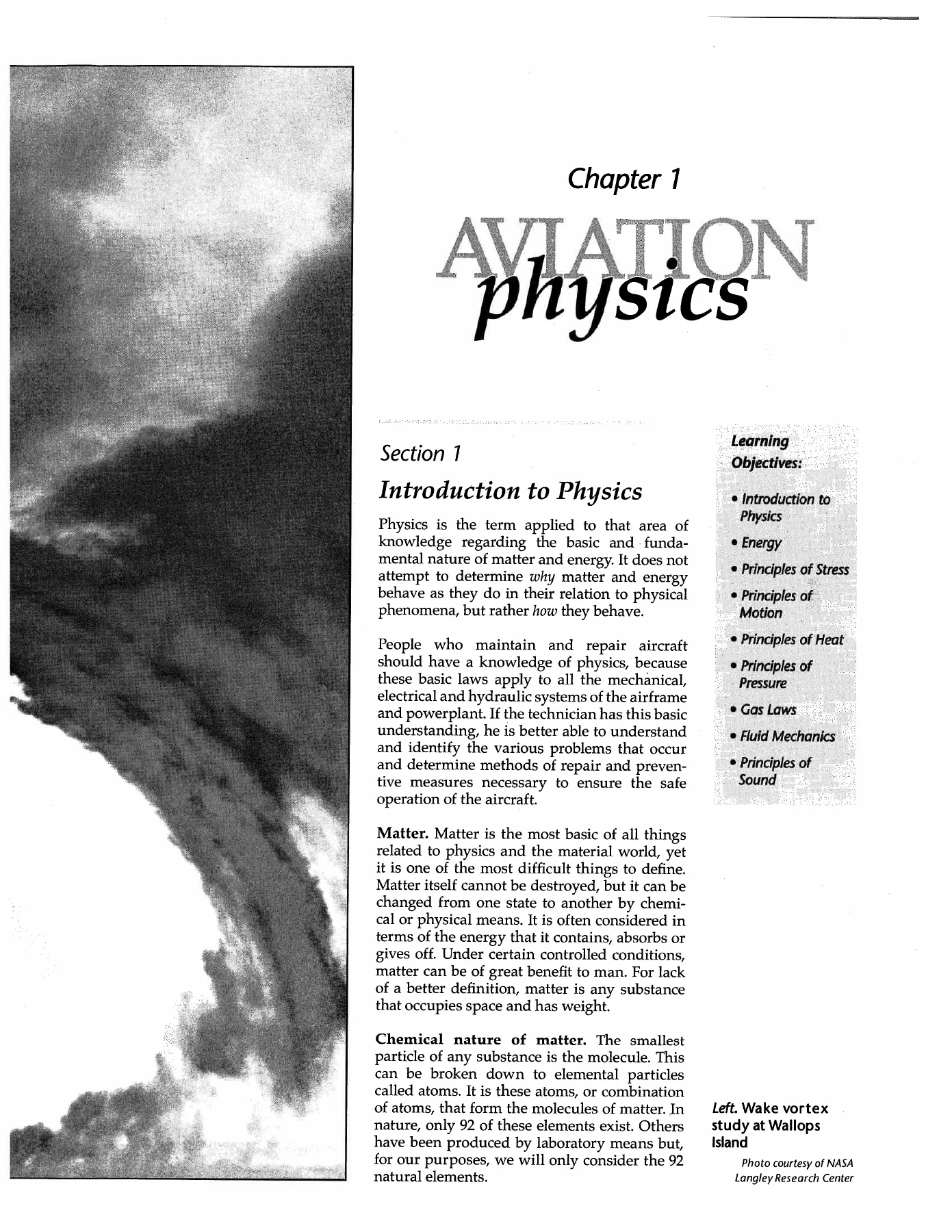
- Chapter 1. Principles of Aviation Physics – Introduction to Physics; Types of Energy; Principles of Stress; Principles of Motion; Principles of Heat; Principles of Pressure; Gas Laws; Fluid Mechanics; Principles of Sound
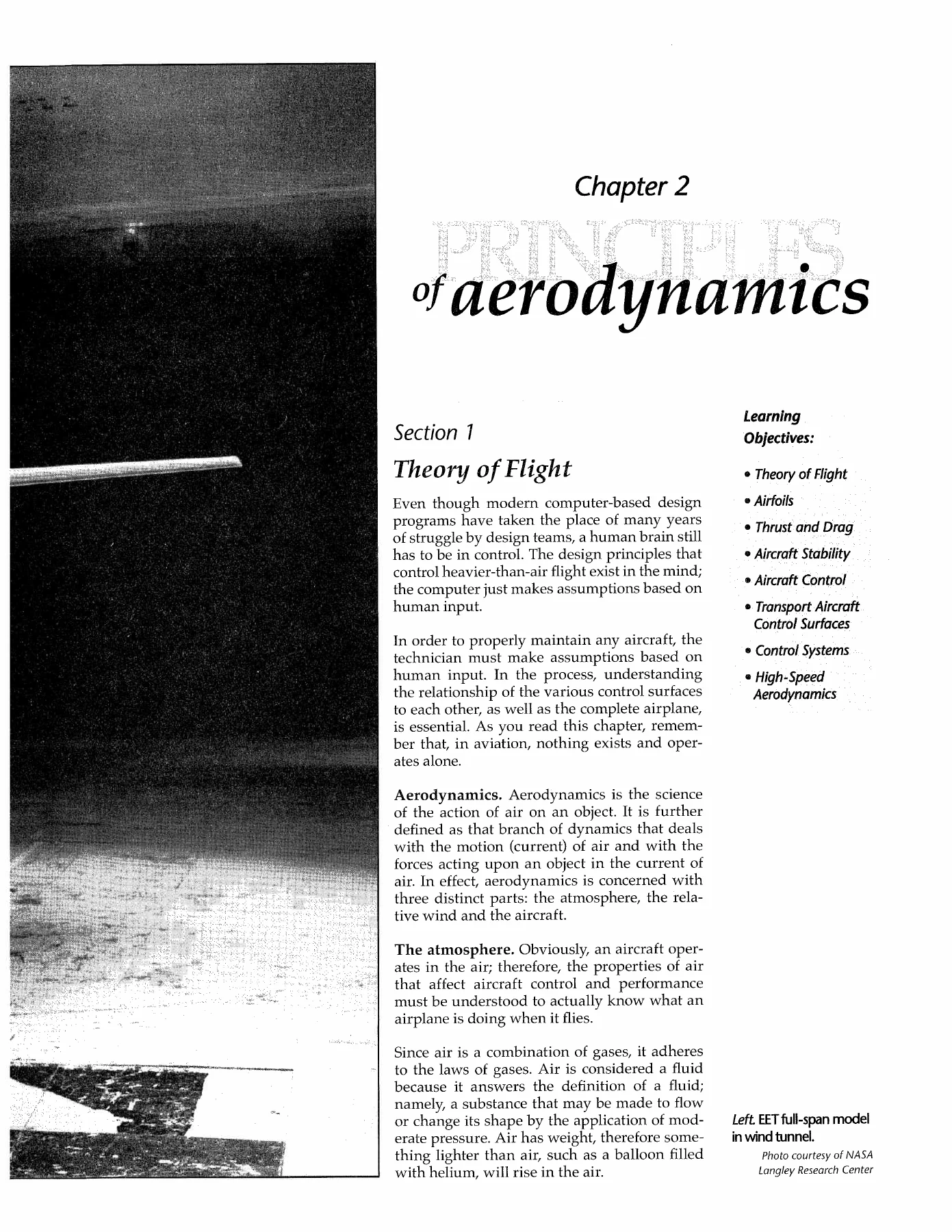
- Chapter 2. Aerodynamics – Theory of Flight; Airfoils; Thrust and Drag; Aircraft Stability; Aircraft Control; Transport Aircraft Control Surfaces; Control Systems; High-Speed Aerodynamics
- Chapter 3. General Mathematics – Introduction to Mathematics; Whole Numbers; Decimal Fractions; Scientific Notation and the Powers of Ten; Common Fractions; Mixed Numbers; Reduction of Fractions; Multiplication, Simplification and Division of Fractions; Converting Fractions and Decimals; Rounding Off; Signed Numbers; Percentage; Ratio; Proportion; Powers and Roots; Computing Area; Measurement of Solids; Trigonometric Functions; Graphs and Charts; Measurement Systems and Conversion; Functions of Numbers
- Chapter 4. Tools and Techniques – Tool Procedures and Practices; Measuring Tools; Maintenance Tools; Pneumatic Tools; Electrical Power Tools; Special Aircraft Tools; Torque Tools and Torque Principles and Procedures
- Chapter 5. Hardware and Materials – Aircraft Structural Hardware; Fasteners (Threaded); Aircraft Control Cable; Aircraft Hydraulic Hardware and Seals; Aircraft Electrical System Hardware; Aircraft Safetying Methods
- Chapter 6. Fluid Lines and Fittings – Tubing Fabrication and Maintenance; Hose Fabrication and Maintenance
- Chapter 7. Basic Electricity – Discovery of Electricity; Static Electricity; Magnetism; Electrical Energy (Electromotive Force, emf); Circuit Elements; Circuit Arrangement; Batteries; Alternating Current; Alternating Current Circuits; Capacitance; Series and Parallel AC Circuits; Resonance in AC Circuits; Three-Phase Alternating Circuits; Converting Alternating Current into Direct Current
- Chapter 8. Binary Logic – Introduction to Binary Logic; Combinations of Logical Operators; Binary Numbers; Summary of Binary Logic; Basic Troubleshooting Theory
- Chapter 9. Blueprints and Drawings – Purpose and Function of Aircraft Drawings; Applied Geometry
- Chapter 10. Aircraft Weight and Balance – The Importance of Weight and Balance; Principles of Weight and Balance; Aircraft Weighing Procedures; Helicopter Weight and Balance
- Chapter 11. Maintenance Documentation – Federal Aviation Regulations; Manufacturers’ Maintenance Manuals; Maintenance Forms and Records
- Chapter 12. Privileges and Responsibilities – The Federal Aviation Administration; Aviation Maintenance Technician Certification; Maintenance and Inspection Requirements; Human Factors
- Chapter 13. Aircraft Inspection – Inspection Programs; Basic Inspection Tools and Techniques; Nondestructive Testing; Practical Inspection Techniques; Oxygen System Inspection; Damage-Tolerant Design Concepts; Aging Aircraft; Corrosion Prevention and Control; Required Inspection Items
Read end to end, the book walks a student from the molecular behaviour of matter all the way to corrosion control on an aging airframe. It opens with the physical laws that govern every mechanical, electrical and hydraulic system aboard an aircraft, then applies those laws to lift, drag, stability and control. From there it builds the practical vocabulary of the trade: mathematics for tolerance work, measuring and torque tools, structural hardware and safetying, tubing and hose fabrication, and the fundamentals of DC and AC electricity, including capacitance, resonance, three-phase circuits and rectification. The later chapters turn to the paperwork and regulatory side of the job, weight and balance computation, maintenance documentation, technician certification and inspection programmes, and finish with nondestructive testing, damage-tolerant design and corrosion prevention.
How the Physics and Aerodynamics Material Is Presented
The physics chapter treats matter, energy, work, power, force and the lever before moving into stress and strain, where tension, compression, torsion, bending and shear are illustrated against real airframe components such as control cables, seat legs, wing skins and helicopter masts. Newton’s three laws of motion lead into momentum, velocity, acceleration, vectors and circular motion, followed by heat transfer, thermal expansion and the temperature scales, absolute and gauge pressure, Boyle’s, Charles’, the general gas and Dalton’s laws, and finally buoyancy, Pascal’s law, Bernoulli’s principle and the propagation of sound.
Aerodynamics picks up directly from Bernoulli, explaining camber, angle of incidence and angle of attack, the centre of pressure, the boundary layer, stall and downwash before covering the four forces of flight, parasite, profile and induced drag, wing-tip vortices, the three axes, and the static and dynamic stability that keeps an aircraft flying hands-off. A dedicated section on transport aircraft control surfaces follows the ailerons, elevators, rudder, spoilers, speed brakes, slats, flaps, trim and balance tabs, servo and spring tabs, control surface balance, high-lift devices, boundary layer control, winglets, canards and wing fences through to the control systems that drive them.
Tools, Hardware and Fluid Systems
The tools chapter is unusually thorough for a fundamentals text. It covers levels, plumb bobs, scribers, tapes, rules, squares, dividers, calipers, vernier and digital calipers, micrometers, depth and height gauges, thread and plug gauges, ring gauges, feeler gauges, wire gauges, radius gauges, dial indicators, telescoping and small-hole gauges, hammers, mallets, screwdrivers, the full wrench family, pliers, vises, clamps, chisels, punches, files, hand and power drills, reamers, hacksaws, taps and dies, extractors, pneumatic and electrical power tools, propeller protractors, cable tensiometers and turnbuckle wrenches.
Hardware and materials then works through solid and blind rivets, hi-shear rivets, rivnuts, lock bolts, Hi-Lok fasteners, jo-bolts, turnlock fasteners including Camloc, Airloc and Dzus, taper and flat-head pins, snap rings, studs, Heli-Coil inserts, threaded fasteners, bolts, nuts, screws and washers, followed by aircraft control cable construction, terminal fittings, turnbuckles, cable guides, pulleys, sectors and quadrants, hydraulic quick-disconnect couplings and hydraulic seals.
Electricity, Logic, Drawings and Documentation
Basic electricity builds from static charge and magnetism through circuit elements and arrangements, batteries, alternating current, capacitance, series and parallel AC circuits, resonance, three-phase circuits and the conversion of AC into DC. Binary logic introduces logical operators, binary numbering and basic troubleshooting theory. Blueprints and drawings covers the purpose and function of aircraft drawings plus applied geometry, while the weight and balance chapter covers principles, weighing procedures and helicopter weight and balance.
Maintenance documentation explains the Federal Aviation Regulations, manufacturers’ maintenance manuals and the forms and records a technician signs. Privileges and responsibilities covers the FAA, AMT certification, maintenance and inspection requirements, and human factors. The inspection chapter closes the book with inspection programmes, nondestructive testing, practical inspection techniques, oxygen system inspection, damage-tolerant design concepts, aging aircraft, corrosion prevention and control, and required inspection items.
What This Textbook Lets You Do
This is the volume a student or apprentice uses to build the theory behind the tasks they will perform for the rest of their career. It supports the ground-school subjects that underpin AMT certification, gives the working technician a reference for why a fastener, a fluid line, a torque value or a control cable behaves the way it does, and provides the background needed to read a manufacturer’s maintenance manual with genuine understanding rather than guesswork. Understanding the physics behind stress and strain, the aerodynamics behind control surface rigging, or the electrical theory behind a charging circuit is what separates a technician who can diagnose a problem from one who can only replace parts. The chapters on documentation, privileges and responsibilities are equally practical, setting out the regulatory framework and the inspection and recording duties that come with the job.
Because this is a general training text, the aircraft manufacturer’s own manual remains the sole source of operation, maintenance, repair and overhaul information for any specific aircraft – this book teaches the principles those manuals assume you already know.
IMAGES PREVIEW
Delivered as an instant PDF download with no shipping and no waiting, the file can be read on a laptop, tablet or phone in the classroom, the shop office or at the bench, and individual chapters or pages can be printed for study or for keeping alongside the aircraft.
Reviews
There are no reviews yet.