Trusted Business
Verified & Licensed
Virus Free Files
100% Safe Downloads
Secure Payment
SSL Protected
Instant Delivery
Available Immediately
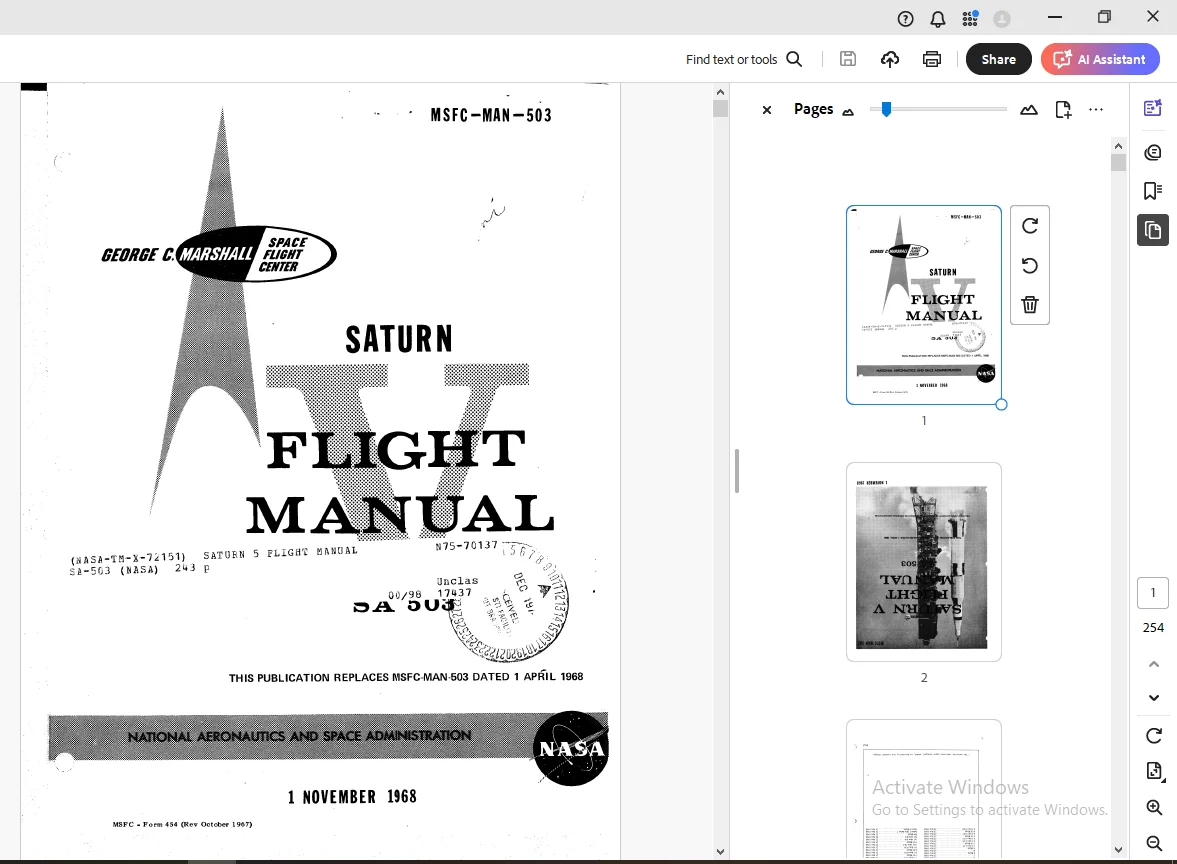
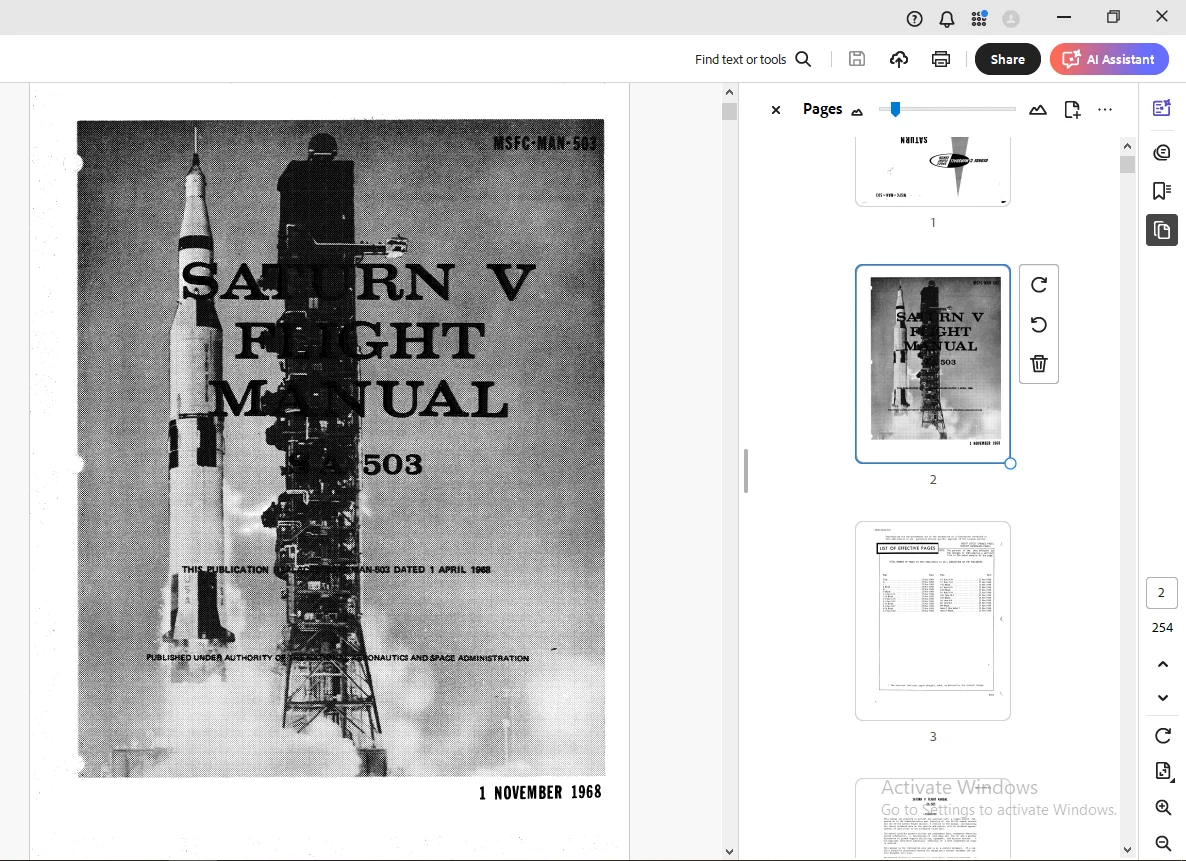
Saturn V SA 503 Flight Manual – PDF DOWNLOAD
$35.95
Saturn V SA 503 Flight Manual – PDF DOWNLOAD
Instant PDF Download
Available immediately
Save to Your Device
Download & keep forever
Antivirus Scanned
100% virus-free
Trusted Worldwide
175,000+ customers
Description
Saturn V SA 503 Flight Manual – PDF DOWNLOAD
FILE DETAILS:
Saturn V SA 503 Flight Manual – PDF DOWNLOAD
Language : English
Pages : 254
Downloadable : Yes
File Type : PDF
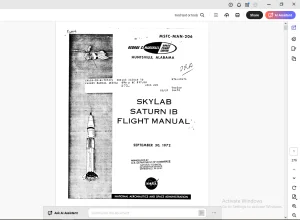
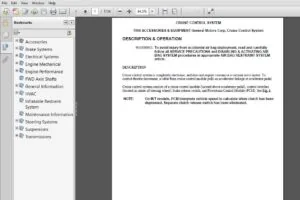
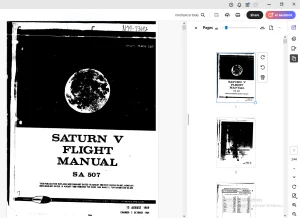
IMAGES PREVIEW OF THE MANUAL:
TABLE OF CONTENTS:
Saturn V SA 503 Flight Manual – PDF DOWNLOAD
Table of Contents
SECTION I
General Description
Page 1-1
SECTION II
Performance
Page 2-1
SECTION III
Emergency Detection and Procedures
Page 3-1
SECTION IV
S-IC Stage
Page 4-1
SECTION V
S-II Stage
Page 5-1
SECTION VI
S-IVB Stage
Page 6-1
SECTION VII
Instrument Unit
Page 7-1
SECTION VIII
Ground Support Interface
Page 8-1
SECTION IX
Mission Control Monitoring
Page 9-1
SECTION X
Mission Variables and Constraints
Page 10-1
APPENDIX A
Abbreviations and Acronyms
Page A-1
APPENDIX B
Bibliography
Page B-1
INDEX
Alphabetical
Page Index-1
DESCRIPTION:
Saturn V SA 503 Flight Manual – PDF DOWNLOAD
FOREWORD:
- This manual was prepared to provide the astronaut with a single source reference as to the characteristics and functions of the SA-503 launch vehicle and the AS-503 manned flight mission.
- A revision to the manual, incorporating the latest released data on the vehicle and mission, will be released approximately 30 days prior to the scheduled launch date.
- The manual provides general mission and performance data, enmergency detection system information, a description of each stage and the IU, and a general discussion of ground support facilities, equipment, and mission control. bibliography identifies additional references if a more comprehensive study is desired.
- A This manual is for information only and is not a control document. If a conflict should be discovered between the manual and a control document the control document will rule.
- Recommended changes or corrections to this manual should be forwarded, in writing, to the Saturn V Systems Engineering Management Office (I-V-E), MSFC, Attention: Mr. H.P. Lloyd; or to the Crew Safety and Procedures Branch (CF- 24), MSC, Attention: Mr. D.K. Warren.
SATURN V SYSTEM DESCRIPTION:
- The Saturn V system in its broadest scope includes conceptual development, design, manufacture, transportation, assembly, test, and launch. The primary mission of the Saturn V launch vehicle, three-stage-to-escape boost launch of an Apollo Spacecraft, established the basic concept.
- This mission includes a suborbital start of the third stage (S-IVB) engine for final boost into earth orbit, and subsequent reignition to provide sufficient velocity for escape missions including the lunar missions.
LAUNCH VEHICLE DEVELOPMENT:
- The Saturn launch vehicles are the product of a long evolutionary process stemming from initial studies in 1957 of the Redstone and Jupiter missiles.
- Early conceptual studies included other proven missiles such as Thor and Titan, and considered pay loads ranging from earth orbiting satellites to manned spacecraft such as Dynasoar, Mercury, Gemini, and eventually Apollo.
- The Saturn V launch vehicle evolved from the earlier Saturn vehicles as a result of the decision in 1961 to proceed with the Apollo manned lunar mission. As the Apollo mission definition became clear, conceptual design studies were made, considering such parameters as structural dynamics, staging dynamics, and propulsion dynamics.
- Design trade-offs were made in certain areas to optimize the launch vehicle design, based on mission requirements. The best combination of design parameters for liquid propellant vehicles resulted in low accelerations and low dynamic loads. Reliability, performance and weight were among primary factors considered in optimizing the design.
- Structural design carefully considered the weight factor. Structural rigidity requirements were dictated largely by two general considerations: flight control dynamics and propellant slosh problems. Gross dimensions (diameter & length) were dictated generally by propellant tankage size.
- As propulsion requirements were identified, system characteristics emerged: thrust levels, burning times, propellant types and quantities. From these data, engine requirements and characteristics were identified, and the design and development of the total launch vehicle continued, centered around the propulsion systems.
- Some of the principal design ground rules developed during the conceptual phase, which were applied in the final design, are discussed in the following paragraphs.
G.B 04/04/25