
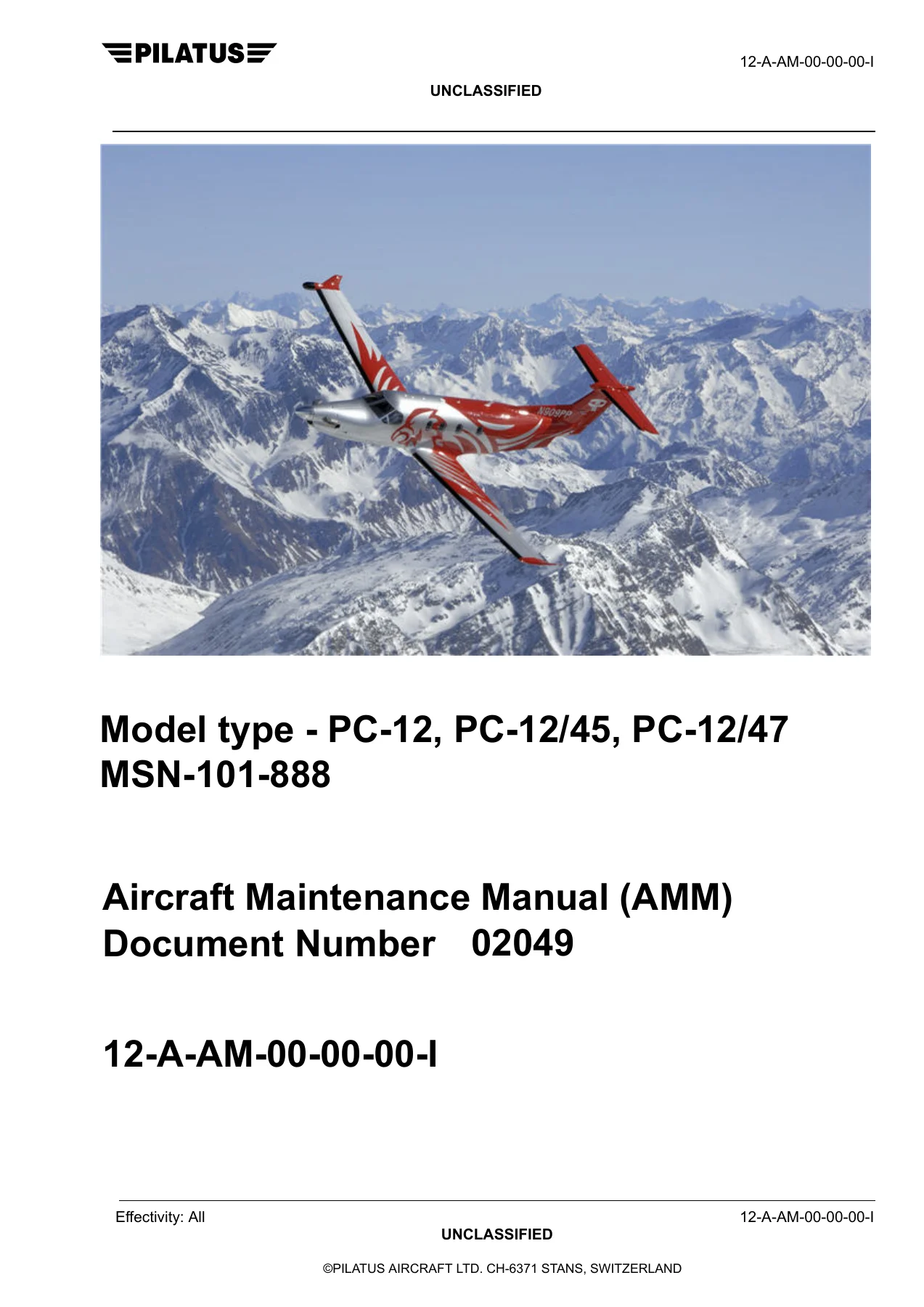
Pilatus PC-12 PC-12/45 PC-12/47 Aircraft Maintenance Manual 02049 Revision 46
Original price was: $49.95.$29.95Current price is: $29.95.
Comprehensive Pilatus Aircraft Maintenance Manual for the PC-12, PC-12/45 and PC-12/47, Document No. 02049, Issue 001, Revision 46. Covers aircraft servicing, scheduled and unscheduled inspections, system description and operation, fault isolation, adjustment and testing, removal and installation, structural inspections, maintenance practices and selected repairs across the aircraft systems.
Description
Pilatus PC-12 PC-12/45 PC-12/47 Aircraft Maintenance Manual 02049 Revision 46
The Pilatus PC-12 PC-12/45 PC-12/47 Aircraft Maintenance Manual 02049 Revision 46 is an extensive maintenance reference for the PC-12, PC-12/45 and PC-12/47. The publication identifies its title-page effectivity as MSN-101-888 and is organized as a large collection of maintenance data modules covering aircraft systems, inspections, servicing, testing, component removal and installation, fault isolation and selected repair work.
The manual states that it provides maintenance personnel with information to service and maintain the aircraft, inspect systems and structures, isolate faults, complete removal and installation work, perform adjustment and testing, and repair certain systems. Optional equipment information is also incorporated where applicable, with individual data modules carrying their own aircraft, serial-number, Service Bulletin and equipment effectivity.
File Details
- Manual type: Aircraft Maintenance Manual (AMM)
- Brand: Pilatus
- Models: PC-12, PC-12/45, PC-12/47
- Title-page effectivity: MSN-101-888
- Document number: 02049
- Issue: 001
- Revision: 46
- Revision 46 date: 2023-10-02
- Language: English
- Pages: 7468
- File format: PDF
Maintenance and Troubleshooting Scope
This PC-12 maintenance manual is structured around the aircraft’s systems and the maintenance action being performed. Its data modules include description and operation information as well as maintenance practices, servicing, scheduled inspections, unscheduled inspections, examination and inspection procedures, fault-isolation procedures, adjustment and functional testing, removal and installation, allowable-wear checks, cleaning, corrosion control, structural testing and selected repairs.
The scheduled-maintenance material includes time-limit information, maintenance check lists and inspection programs such as 300 FH, 300 FH or 12 months, 600 FH, 600 FH or 12 months, 1200 FH or 12 months, and 2400 FH or 24 months checks. Airworthiness limitations and life-controlled structural and component information are also included in the publication.
Unscheduled inspection coverage addresses events that can require maintenance action before further flight. The manual contains procedures associated with hard landings, severe turbulence or severe maneuvers, overspeed with flaps down, sudden propeller stoppage, lightning strike, alignment and symmetry checks, maximum operating speed exceedance, landing-gear operating or extended speed exceedance, tail-down damage, nose landing gear overturning, and flight through volcanic ash or smoke.
Powerplant coverage includes the Pratt and Whitney Canada PT6A-67B engine. The powerplant section contains maintenance practices and a broad series of adjustment and test procedures covering subjects such as engine oil pressure, propeller blade feathering, DC generation, maximum propeller speed, bleed-valve closing point, torque limiter, engine performance, torquemeter function, acceleration, overspeed governor, Nf governor, FCU dead band, propeller low-pitch warning, ground and flight idle speed, manual override, reverse power, environmental control interaction and engine stop checks. Propeller material includes description, adjustment and test, blade repair and removal/installation procedures.
Chapters Covered
- 00 – Air Vehicle General: general publication information, abbreviations, safety data and AMM organization.
- 04 – Airworthiness Limitations: structural limitations, component limitations, miscellaneous limitations and supplemental structural inspection requirements.
- 05 – Scheduled/Unscheduled Maintenance: time limits, scheduled maintenance check lists, scheduled maintenance checks and unscheduled maintenance checks.
- 06 – Dimensions and Areas: general dimensions, zones and access provisions.
- 07 – Lifting and Shoring: jacking and shoring practices.
- 08 – Leveling and Weighing: aircraft weighing and leveling.
- 09 – Handling and Taxiing: handling, towing and taxiing procedures.
- 10 – Parking, Mooring and Storing: parking, storage, mooring and return-to-service procedures.
- 11 – Placards and Markings: exterior and interior placards and markings.
- 12 – Servicing: replenishment, fuel, brakes, engine oil, tires, oxygen, cleaning, landing gear, propeller and other scheduled servicing tasks.
- 20 – Standard Practices: locking and retaining devices, torque procedures, crimping, consumable materials, corrosion control, drilling, cutting, tubing, sealants, bushes, bearings and related practices.
- 21 – Air Conditioning: distribution, pressurization control, heating, engine-bay ducts, cooling and temperature control.
- 22 – Auto Flight: autopilot and speed/attitude correction systems, including inspection, testing and component replacement procedures.
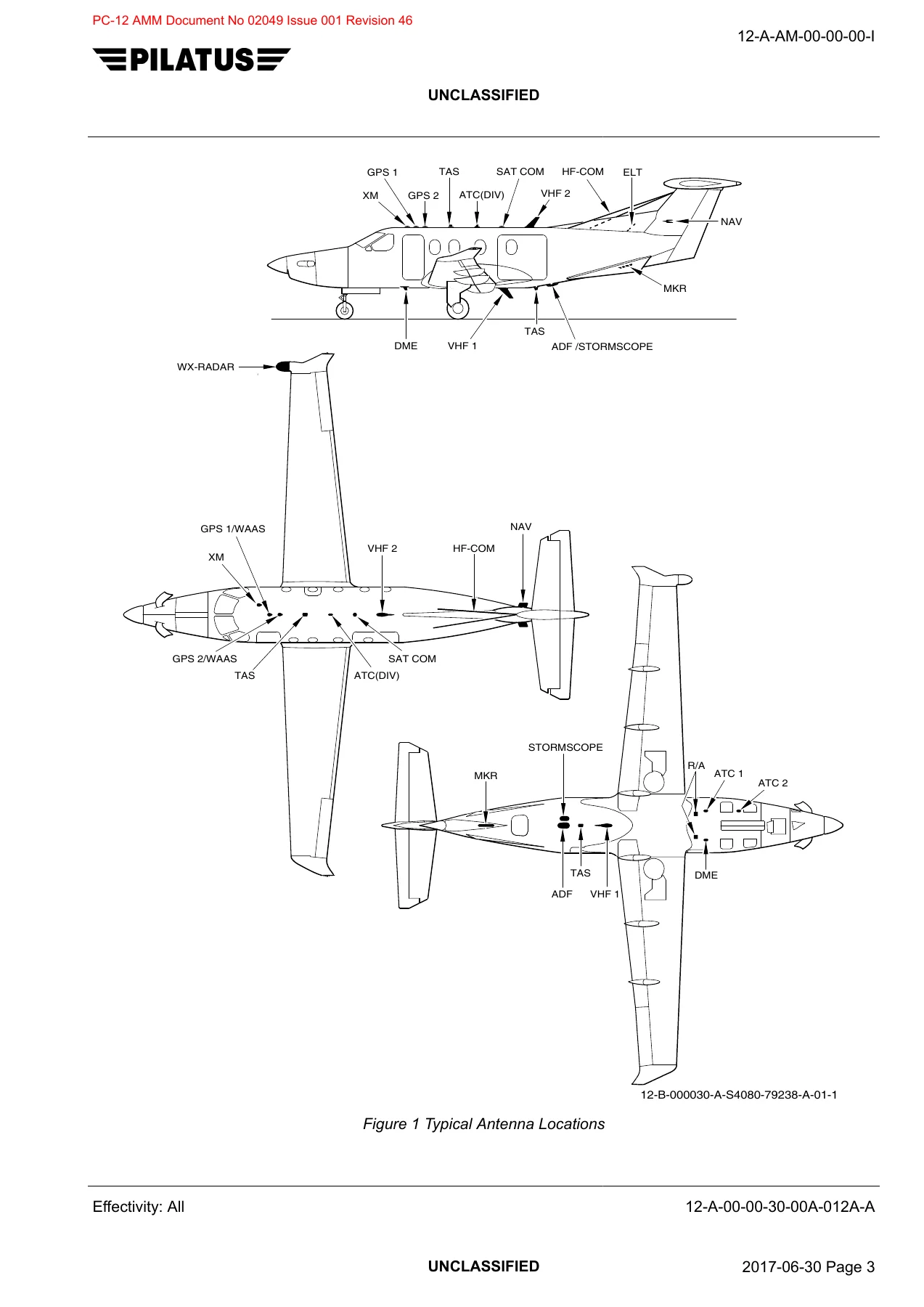
- 23 – Communications: speech communication, HF, VHF, V/UHF, mobile phone, audio integrating systems, headsets and static discharging.
- 24 – Electrical Power: AC generation, DC generation, starter/generator equipment, batteries, external power, load distribution and auxiliary power.
- 25 – Equipment and Furnishings: flight compartment, passenger compartment, executive and standard interiors, baggage and cargo areas, emergency equipment, ELT systems, insulation and cold-weather preheating.
- 26 – Fire Protection: fire and overheat detection plus extinguishing equipment.
- 27 – Flight Controls: ailerons, aileron trim, rudder, rudder trim, elevator, horizontal stabilizer trim, flaps, flap drive system and gust lock.
- 28 – Fuel: fuel storage, tanks, distribution, pumps, balancing and quantity indication.
- 29 – Hydraulic Power: main and emergency hydraulic systems, hydraulic power pack, accumulator, filters, switches and associated components.
- 30 – Ice and Rain Protection: airfoil de-icing, wing and horizontal stabilizer boots, air-intake protection, probe de-icing, windshield de-icing and propeller de-icing.
- 31 – Indicating and Recording Systems: overhead panel, independent instruments, time counters, maintenance/test facilities, ground maintenance panel and central advisory and warning system.
- 32 – Landing Gear: main and nose landing gear, doors, extension and retraction, wheels and brakes, nose-wheel steering and position/warning systems.
- 33 – Lights: cockpit, passenger and service-compartment lighting plus landing, taxi, navigation, strobe, recognition, logo and flashing beacon systems.
- 34 – Navigation: pitot-static systems, outside-air temperature, air-data computing, altimeters, airspeed and vertical-speed indication, angle of attack, attitude and heading, EFIS, weather radar, radar altimeter, TCAS, GPWS/EGPWS, VHF navigation, DME, ADF, transponders and GPS.
- 35 – Oxygen: general oxygen-system maintenance, crew oxygen and passenger oxygen equipment.
- 52 – Doors: passenger/crew door, emergency exit, cargo door, service doors and door-warning systems.
- 53 – Fuselage: forward, center and rear fuselage inspections and structural maintenance.
- 55 – Stabilizers: horizontal stabilizer, elevators, vertical stabilizer and rudder inspection and maintenance.
- 56 – Windows: windshield, cockpit side windows, direct-vision window and cabin windows.
- 57 – Wings: wing structure, attachment fittings, wing tips, flaps, ailerons and associated structural inspection work.
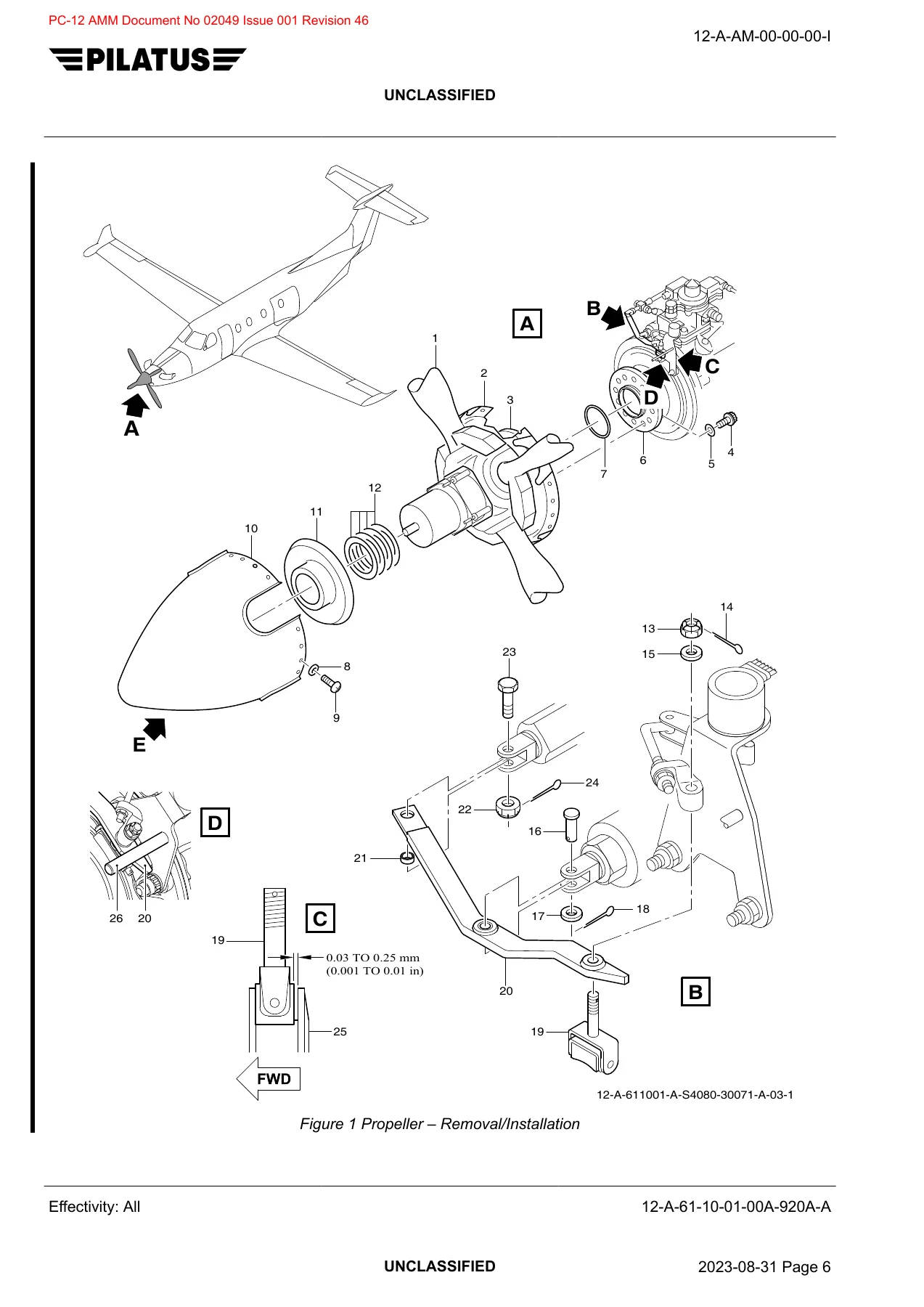
- 61 – Propeller: propeller description, adjustment/testing, repair and removal/installation.
- 71 – Power Plant: powerplant maintenance, engine ground-run testing, adjustment/testing, removal/installation, mounting frame and cowlings.
- 72 – Engine: engine description and power-section maintenance.
- 73 – Engine Fuel and Control: fuel control, torque limiter and fuel-flow indication equipment.
- 74 – Ignition: ignition-system operation, testing, ignition unit and spark igniters.
- 76 – Engine Controls: power controls, control cables, propeller feather microswitches and manual override.
- 77 – Engine Indicating: engine-condition trend monitoring, engine instrument systems, torque transducer and associated indication equipment.
- 78 – Exhaust: exhaust system, exhaust stubs and repair procedures.
- 79 – Oil: engine oil system, servicing, oil filter, oil cooler, chip detector, pressure and temperature sensing and oil-debris monitoring.
- 80 – Starting: engine-starting system and automatic starting configurations.
Together, these chapters make the Pilatus PC-12 PC-12/45 PC-12/47 Aircraft Maintenance Manual 02049 Revision 46 a system-by-system working reference rather than a simple operating handbook. The manual combines aircraft-system explanations with task-oriented instructions so a technician can move from understanding a system to inspecting it, troubleshooting applicable faults, servicing it, testing or adjusting it, and removing or installing covered components when required.
Configuration and Effectivity Information
The title page identifies the publication for PC-12, PC-12/45 and PC-12/47 aircraft with MSN-101-888. Within the AMM, individual procedures can carry narrower effectivity based on model, manufacturer serial number, installed equipment, component configuration, or pre/post Service Bulletin status. This is especially important in systems that changed during the production range, including air conditioning, electrical generation, flight controls, fuel indication, avionics, landing gear, lighting, interiors and engine-related equipment.
The manual therefore provides effectivity information alongside applicable maintenance data rather than treating every procedure as interchangeable across every aircraft. Maintenance personnel should identify the applicable aircraft configuration and follow the corresponding data module. The AMM also points to separate publications when work falls beyond its scope, including structural repair, illustrated parts, tools and equipment, wiring-diagram and vendor information.
Carry Out PC-12 Maintenance With the Correct Procedures at Hand
This Pilatus PC-12 PC-12/45 PC-12/47 Aircraft Maintenance Manual 02049 Revision 46 supports a wide range of practical maintenance work, from scheduled servicing and inspections through troubleshooting, adjustment, functional testing, component removal and installation, structural inspection and selected repair tasks. Its detailed effectivity, safety conditions, required tools and supplies, maintenance sequences, inspection criteria and system-specific procedures help technicians work from the procedure and specification applicable to the aircraft instead of relying on memory or generalized information.
Delivered as an instant PDF after payment with no physical shipping required. Open the manual on a computer, tablet or other PDF-capable device and print the pages you need for workshop reference.
Reviews
There are no reviews yet.