
Aermacchi MB-339A Training Manual 1987 PI AD-01-39A – PDF Download
Original price was: $34.95.$19.95Current price is: $19.95.
Official 1987 training manual for the Aermacchi MB-339A jet trainer – 424 pages covering visual flight, instrument flying, aerobatics, formation, night flying, navigation, emergencies and firing training. Instant PDF download.
Description
Aermacchi MB-339A Training Manual – PI AD-01-39A (30 April 1987)
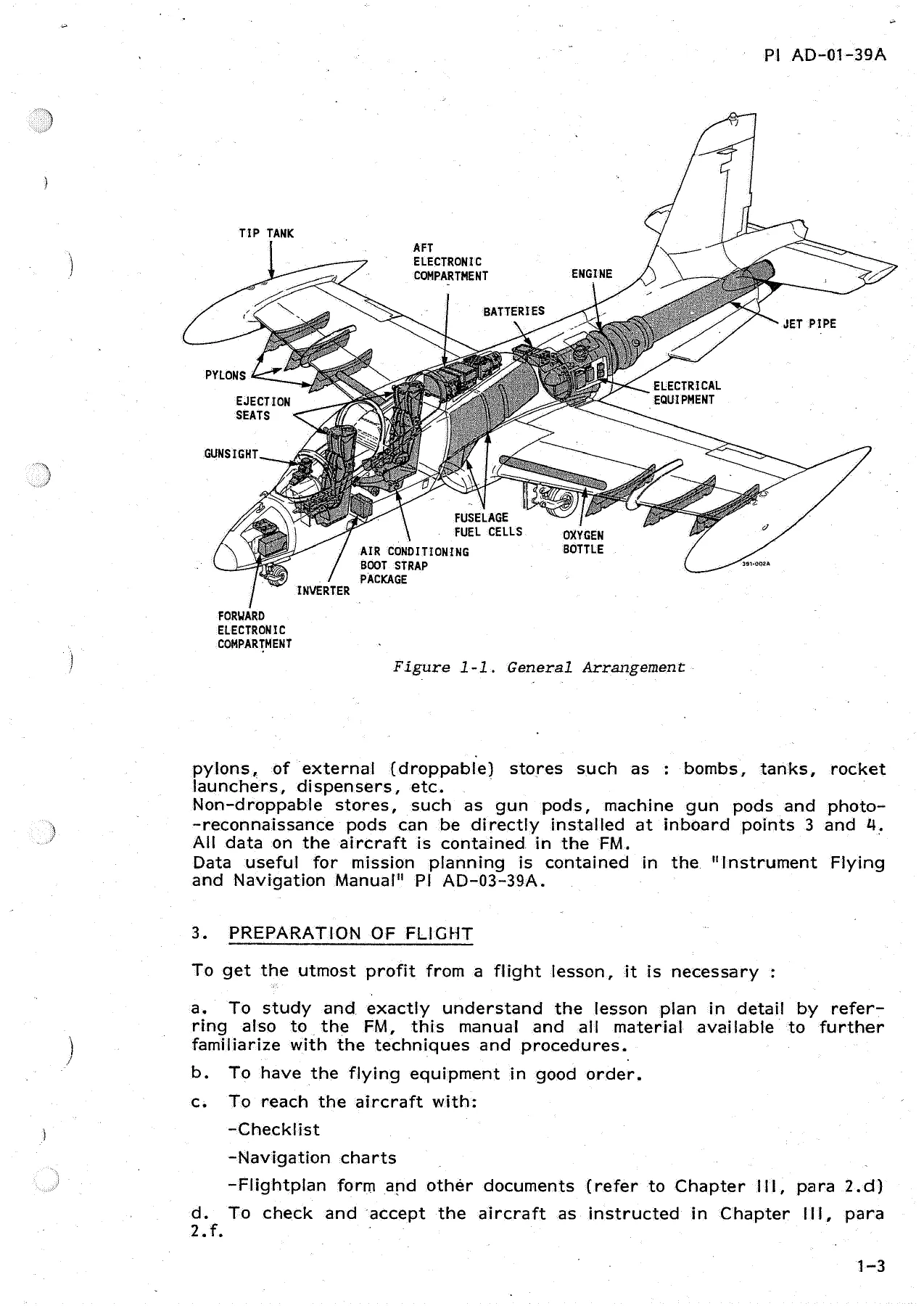
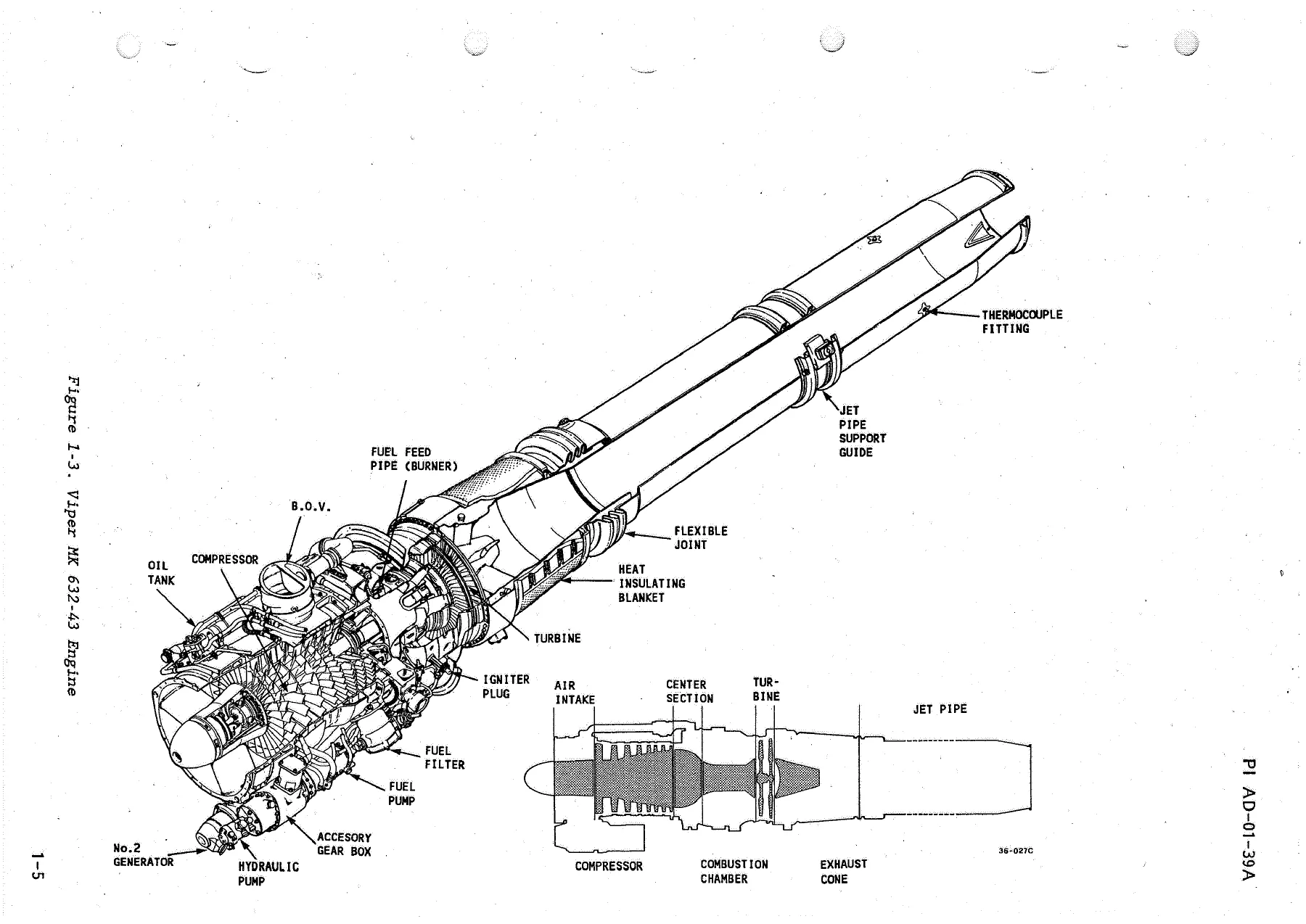
This is the complete MB-339A Training Manual, document number PI AD-01-39A, issued 30 April 1987 by Aermacchi S.p.A. Varese for basic and advanced pilot training at Air Force Flying Schools. At 424 pages, it is the full ground-school and in-flight reference used by student pilots and flight instructors on the Aermacchi MB-339A tandem two-seat jet trainer, and it doubles as the didactic aid for pre-flight mission preparation.
Unlike a pure maintenance publication, this MB-339A training manual is built around the flight programme itself. It walks through every manoeuvre performed in the training syllabus, describes the visual, instrument and physiological cues the student will meet, and cross-refers constantly to the Flight Manual PI 1T-MB339A-1, the Performance Data Manual, the Weapon Delivery Manual and the applicable checklists. Every procedure, restriction and prohibited manoeuvre is stated exactly as it is flown.
File Details
- Manual type: Pilot training manual (ground school and in-flight instruction)
- Brand / manufacturer: Aermacchi S.p.A. – Via S. Sanvito, 80 – Varese, Italy
- Aircraft: MB-339A
- Document number: PI AD-01-39A
- Date of issue: 30 April 1987 (Original, Change 0)
- Language: English
- Page count: 424 pages
- File format: PDF
Chapters Covered
- Part One – Introduction: For pilot’s attention, information on the MB-339A aircraft, preparation of flight, general instructions (dual flights, visual flights, solo flights, aerobatics, weather restrictions)
- Part Two – Visual Flight:
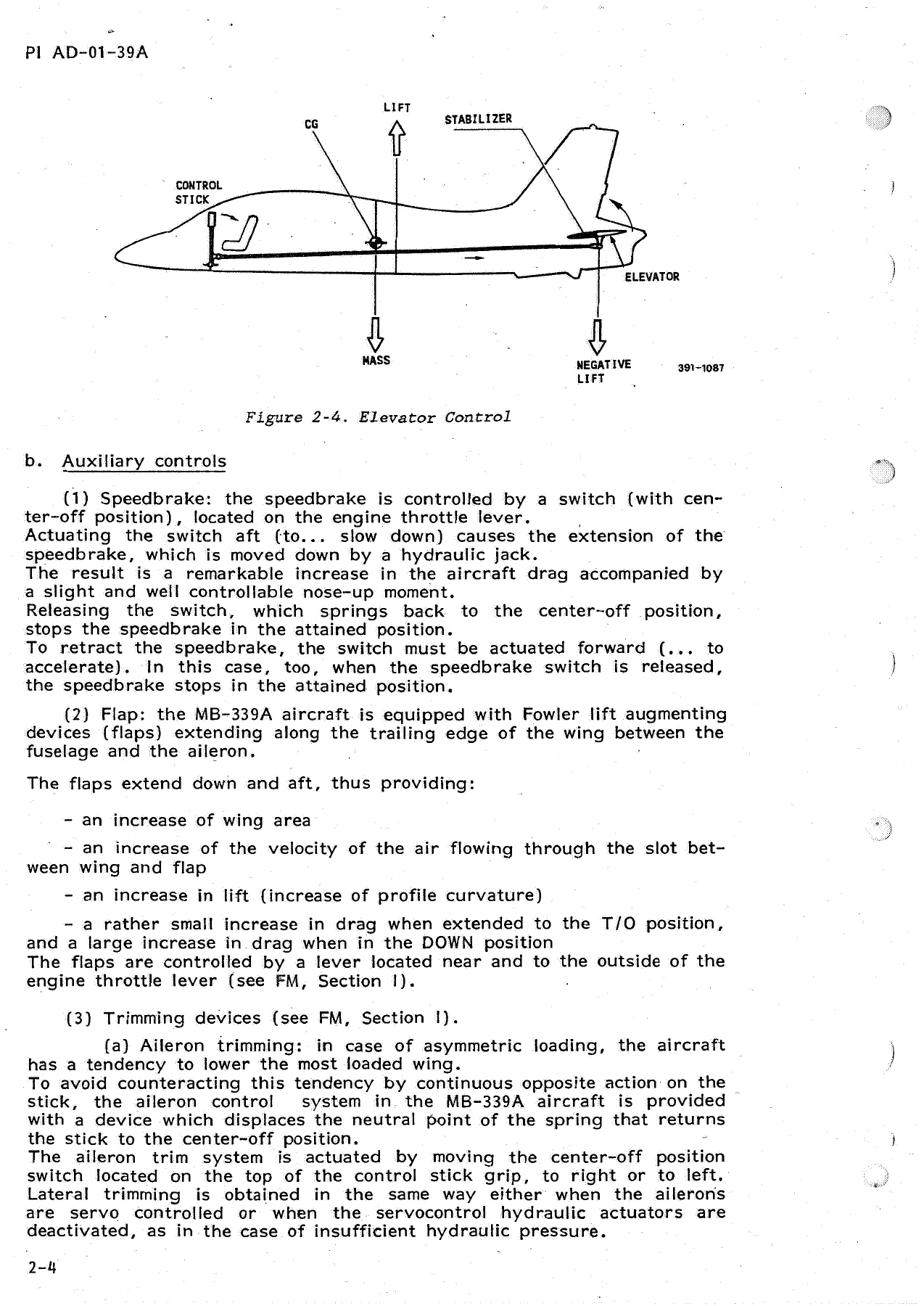
- Aircraft motion in space, flight controls (main and auxiliary), forces and moments, controls used on the ground only
- Pre-flight and post-flight operations, briefings, documentation, aircraft acceptance, debriefings
- Ground operations: leaving parking, taxiing, minimum distances, lineup, parking crew signals, return to parking
- Takeoff and climb: takeoff roll, crosswind takeoff, rotation and lift-off, acceleration checkpoint, climb types, level-off
- Straight and level flight, piloting technique, turns (shallow, medium, steep, very steep), airspeed changes, climbs and descents at constant IAS
- Stalls: clean stall, full aft stick stall, dirty stall, secondary stall, final turn stall, G-stall, slow flight, compressibility
- Descents and low altitude level-offs, traffic pattern, normal landing, landing on wet/icy/short runway, crosswind landing, no-flap landing, aided landing, touch-and-go, go-around, closed traffic, straight-in approach
- Aerobatics: pre/post checks, coordination manoeuvres (wingover, lazy eight, chandelle), unusual attitudes, aileron roll, loop, barrel roll, split S, Immelmann, Cuban eight, cloverleaf, spin, composite aerobatics, high-altitude aerobatics
- Emergencies and simulated emergencies: radio failure, barrier engagement, fire during starting, blown tire, oxygen failure, hydraulic failure, forced landing pattern, emergency descent, precautionary pattern, concurrent emergencies, complete electrical failure
- Part Three – Instrument Flying:
- Sensory impressions in flight, organs of equilibrium, spatial disorientation, illusion mechanisms (graveyard spin, Coriolis, somatogravic and others)
- Attitude instruments, control and performance instruments, technique of instrument flying, cross-check, correction technique
- Instrument take-off, instrument climb, level-off, straight and level flight, instrument turns, timed turns, speed changes, slow instrument flight, instrument descents, level-off after descent
- Confidence manoeuvres: vertical S (types A, B, C, D), recovery from slow instrument flying, unusual attitudes, flight with incomplete instrument panel
- Chapter XI – Basic Navigation: Dead reckoning navigation (map choice, track selection, checkpoints, radio aids, flight log, mental planning), very low altitude navigation (planning, symbology, MEA calculation, folder preparation, aerotactical rulers), radio aided navigation (airborne equipment, publications, flight planning, semi-circular levels, cruise, diversion to alternate)
- Part Four – Operational Training:
- Formation flying: two-ship fingertip, four-ship formations, tactical formation, visual signals, rejoins, break-out, echelon aerobatics, lost wingman procedures
- Night flying: vision at night, ground procedures, take-off, night pattern and landings, night navigation, night two-ship formation flying
- Firing training: air-to-air and air-to-ground range characteristics, air-to-air range procedures (perch, entry turn, reversal, pursuit curve), air-to-ground procedures (skip bombing, low/very low angle strafing, rocketry, high angle strafing, high angle dive bombing), film assessing
What ties all of this together is the training philosophy set out in Chapter 1 – the manual is written as a “sensory” description of each manoeuvre so the student can mentally rehearse the visual, instrument and physiological situations before flying them. Instead of dry rules, the pilot gets the attitude, the airspeed, the lead point, the trim action, the power setting and the recovery technique for every phase of flight, from the first dual sortie to solo aerobatics, night formation and live firing on the range.
What This MB-339A Training Manual Enables
With this PDF on hand, instructors and student pilots can prepare and debrief the full basic and advanced training syllabus on the ground. It supports the study of every phase – ground manoeuvring and taxi discipline, formation takeoff and rejoin, stall and spin recognition, instrument approach and forced landing pattern, aerobatic sequences, night formation, and every air-to-air and air-to-ground firing pattern flown on the MB-339A ranges.
The reason a document like this matters is that the MB-339A is a tandem trainer flown from both seats, and the manual is written so the rear-seat instructor and front-seat student share exactly the same references – the same visual signals, the same altitude and airspeed figures, the same key points in the forced landing pattern, and the same emergency procedures. Guessing at those numbers is not an option in a jet trainer; the correct attitude, the correct lead, the correct call and the correct recovery are what keep the syllabus safe and repeatable.
IMAGES PREVIEW
The file is an instant PDF download after payment, with no shipping and no waiting. It opens on any device – desktop, laptop, tablet or phone – and every page can be printed if you prefer a binder copy for the briefing room or the flight line.
Reviews
There are no reviews yet.