
Cabin Crew Training Manual – Flight Attendant Course Training Guide
Original price was: $34.95.$21.95Current price is: $21.95.
Complete 373-page Cabin Crew Training Manual from High Level Aviation Academy covering aviation security, emergency procedures, first aid, passenger handling, in-flight services, CRM and dangerous goods for flight attendant training.
Description
The Cabin Crew Training Manual is a full flight attendant course reference produced by High Level Aviation Academy. Across eleven structured parts, this Cabin Crew Training Manual walks a trainee or working crew member through the entire scope of cabin operations – from aviation security and crew duties through to emergency equipment, first aid, passenger handling, in-flight service and crew resource management. It is written as a teaching document, so each subject is broken into definitions, procedures, checklists and worked examples rather than dense regulation text.
File Details
- Manual Type: Cabin Crew / Flight Attendant Training Manual
- Course: Flight Attendant Course
- Publisher: High Level Aviation Academy
- Language: English
- Page Count: 373 pages
- File Format: PDF
Chapters Covered
- Part One – Aviation Security: Acts of unlawful interference, aircraft security check and search, airside and landside, screening, security restricted areas, threat levels, suspicious items and behaviour, prohibited items, security questions, Triple A reconciliation and Avsec officer roles
- Part Two – Duties and Responsibilities: Pilot in Command authority, chain of command, cabin crew job description, phases of flight, senior cabin crew and cabin attendant duties, cabin defects log book, emergency equipment checks
- Part Three – Rules and Regulations: SCAR 06 definitions, duty and rest limitations, flying duty period, licenses and ratings, recurrent and refresher training, roster, uniform standards, SNY rules, leaves and disciplinary conduct
- Part Four – Airline Operations: Aerodynamics, atmosphere layers, Bernoulli’s principle, four forces of flight, weight and balance, centre of gravity and MAC, flight documents, aircraft documents on board
- Part Five – Grooming and Social Etiquette: Personal hygiene, complexion, make-up and lipstick, hair regulations, grooming visual poise and posture, manicure procedure, social etiquette, addressing ranking persons, weight charts
- Part Six – First Aid: First aider responsibilities, wounds and bleeding, tourniquet use, fractures, sprains, burns, scalds, bruises, blisters, fainting, shock, heart attack, stroke, epilepsy, diabetes, artificial respiration, mouth-to-mouth resuscitation, hypoxia, hyperventilation, poisoning, emergency child birth, drowning, electric shock, choking, nose bleed, air sickness
- Part Seven – Passengers Handling: Boarding and deplaning, passenger behaviour and disruptive passengers, alcohol and drugs, obese passengers, autistic passengers, pregnant women, pets, seeing-eye and hearing-ear dogs, unaccompanied minors, exit row seating, stretcher passengers, elderly, VIP and CIP, deportees, prisoners, delay handling
- Part Eight – In-Flight Services: Service principles, galley checking, sanitation and hygiene, special meals, catering uplifting, first class service rules, oven use and heating times, food contamination, meal shortages, cocktail and hors d’oeuvres service, towels, DIFOS
- Part Nine – Emergency Equipment and Emergency Procedures: Portable BCF and water fire extinguishers, PBE, portable oxygen, megaphone, crash axe, emergency flashlight, portable radio transmitter, life vest, life raft, slide/raft, survival kit, signalling equipment, fire fighting, decompression, incapacitation, hijacking, bomb threats, turbulence, birth and death on board, evacuation and survival
- Part Ten – Crew Resource Management (CRM): CRM definitions and skills, inquiry, advocacy, conflict resolution, decision making, critique, situational awareness, communication, active listening, behavioural styles, assertiveness, fatigue, error management, sleep, stress
- Part Eleven – Dangerous Goods: Applicability, limitations, classification, marking and labelling, dangerous goods emergency response, IATA DGR classes and divisions, packing groups, hidden dangerous goods, dangerous goods carried by passengers and crew
Taken as a whole, this Cabin Crew Training Manual gives the reader the working knowledge a flight attendant is expected to hold before operating as part of a cabin crew. The security and dangerous goods sections build the ground-school side, the first aid and emergency equipment sections build the hands-on response side, and the passenger handling, in-flight service and CRM sections build the day-to-day cabin side. Because the document follows the structure of an actual training course, sections can be read in sequence for initial training or dipped into individually for refresher study.
What This Flight Attendant Course Manual Enables
Used properly, this Cabin Crew Training Manual supports the full spread of cabin crew tasks: conducting pre-flight cabin and emergency equipment checks, running boarding and passenger counts, delivering safety demonstrations and PA announcements, arming and disarming cabin doors, managing galley and meal service, handling disruptive or unwell passengers, responding to decompression, fire, hijacking or bomb threats, administering first aid and assisting with evacuation. The emergency procedures chapters give the standard call-outs, NITES briefings and brace commands used between flight deck and cabin, while the first aid chapters give the treatment sequence for everything from a nose bleed to a cardiac arrest. For an airline trainee, this is the material that must be understood before a line check; for a working crew member, it is the reference that keeps procedures current.
Correct procedure and correct terminology matter in a cabin because the consequences of getting them wrong are not academic. This manual records the exact commands, checklist sequences and equipment operating steps so that the crew member is not relying on memory alone. Having the document on hand means the trainee or refresher candidate can study the same wording that would be used in a real cabin situation, and instructors can align their own briefings to it.
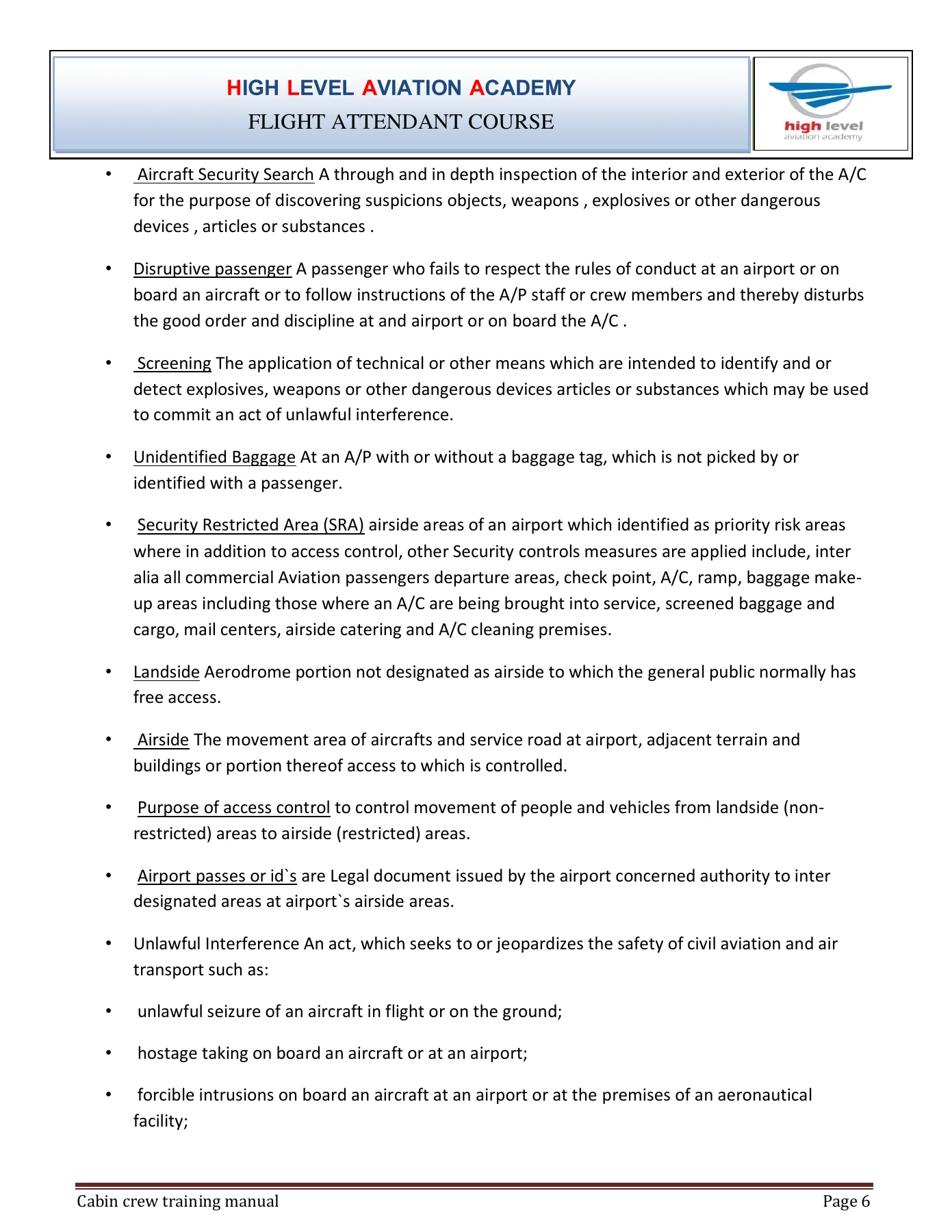
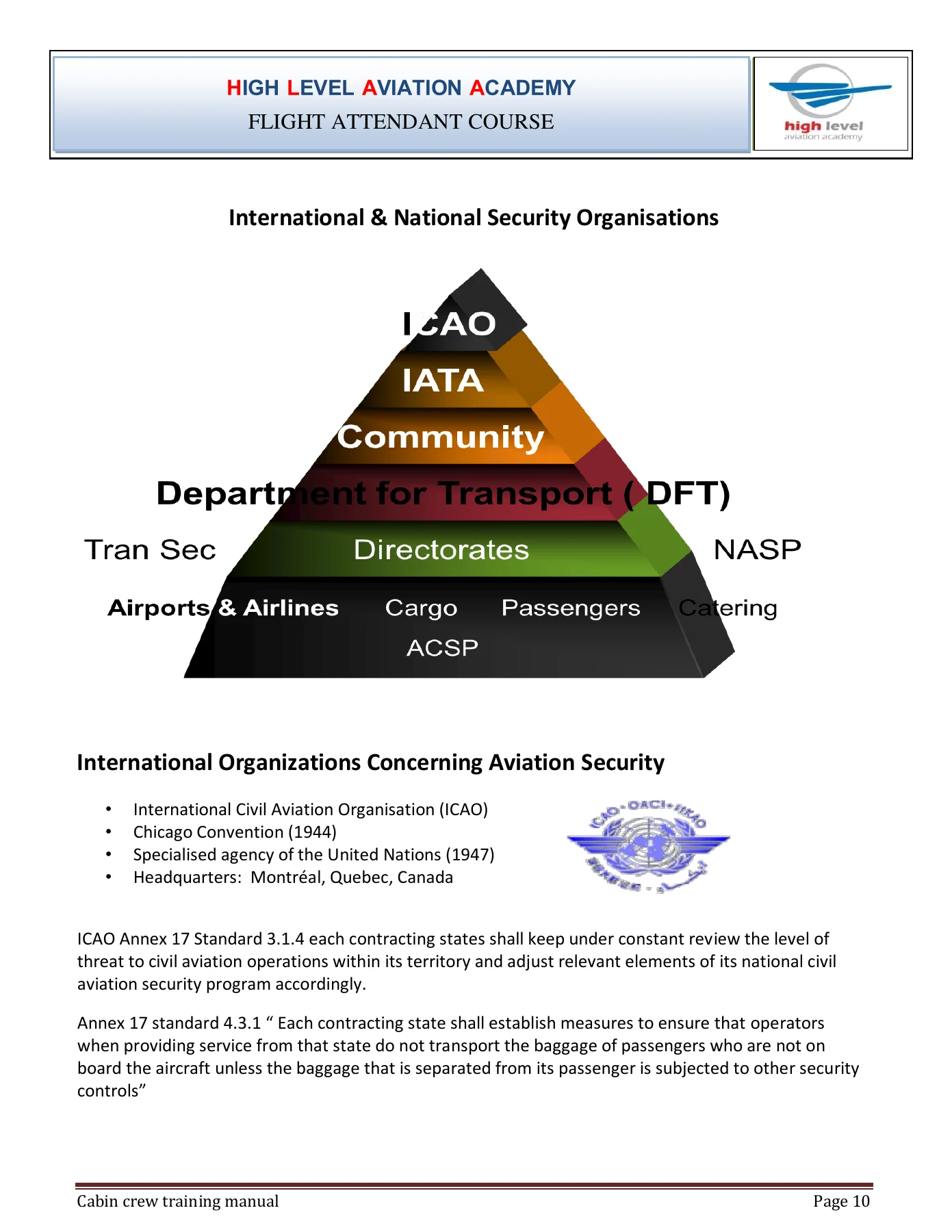
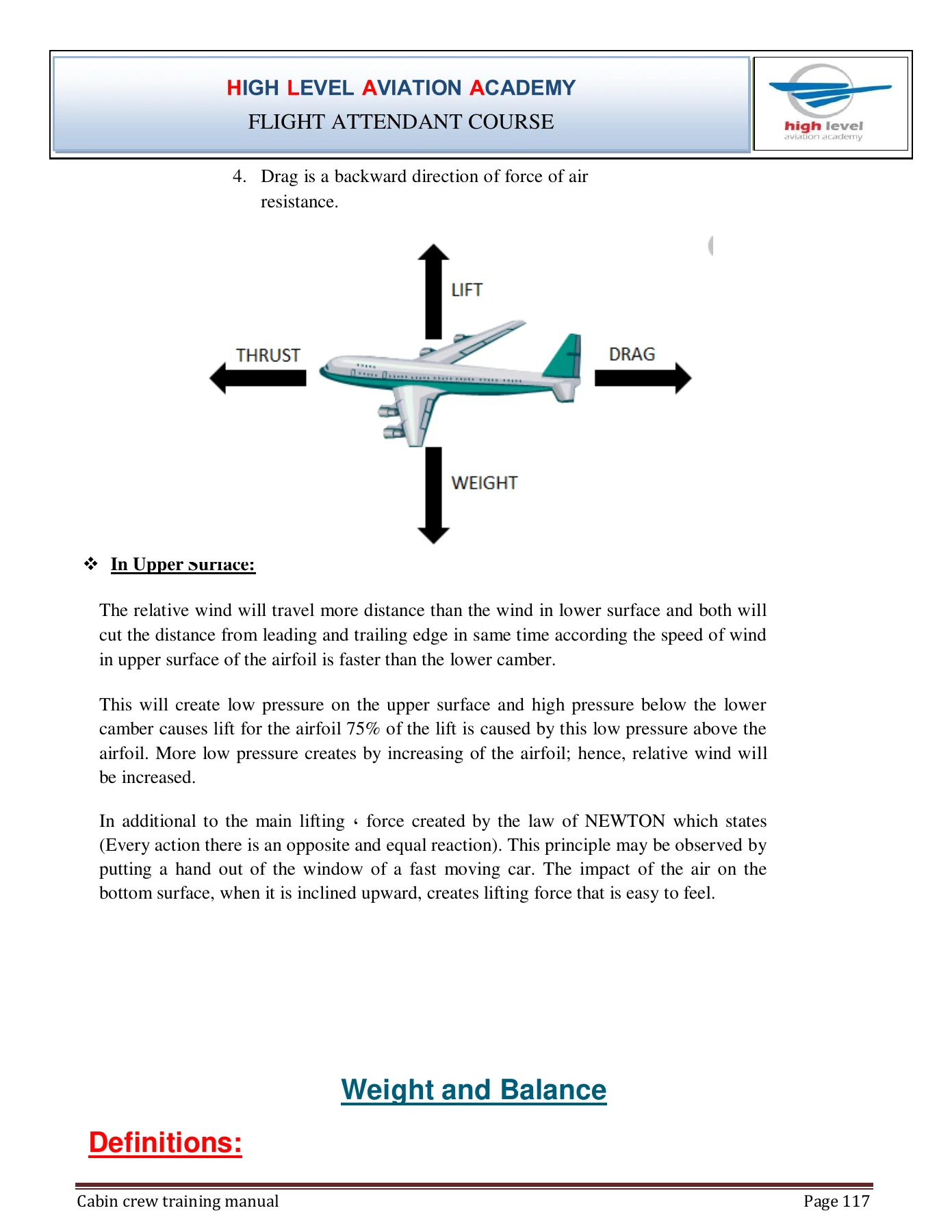
IMAGES PREVIEW
Instant PDF Delivery
The Cabin Crew Training Manual is supplied as a PDF file that becomes available immediately after purchase – no shipping, no waiting for a physical copy. It can be opened on a laptop, tablet or phone, and individual chapters or checklists can be printed for study, briefing folders or classroom use. Because it is a digital file, the whole 373-page course reference stays searchable and portable for anyone preparing for flight attendant training or keeping their cabin knowledge up to date.
Reviews
There are no reviews yet.