
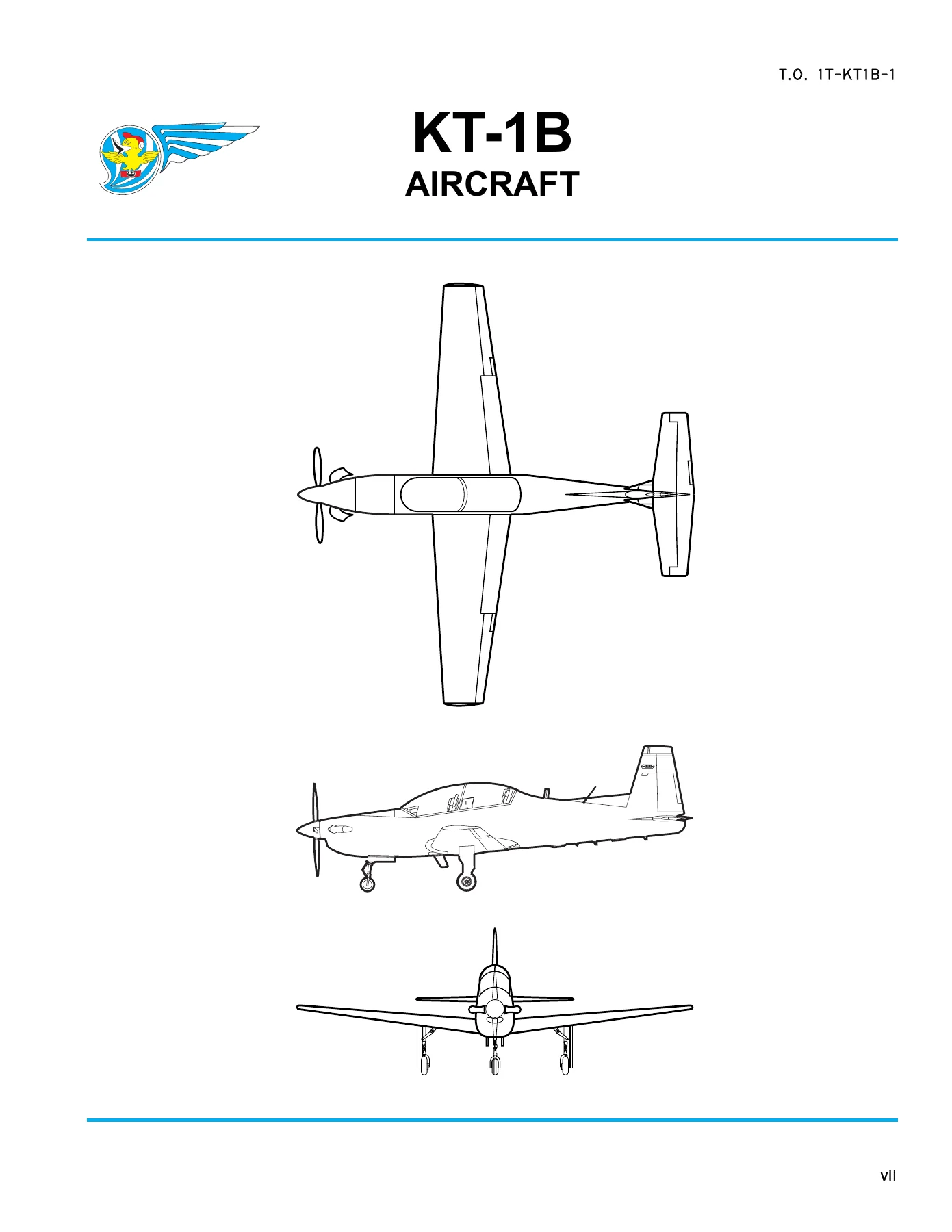
KAI KT-1B Aircraft Flight Manual T.O. 1T-KT1B-1 – PDF Download
Original price was: $39.95.$23.95Current price is: $23.95.
Complete KAI KT-1B flight manual (T.O. 1T-KT1B-1) covering aircraft systems, normal and emergency procedures, operating limitations, flight characteristics, and performance charts for the PT6A-62 powered turboprop trainer.
Description
File Details
- Manual Type: Aircraft Flight Manual
- Manufacturer: Korea Aerospace Industries, Ltd. (KAI)
- Aircraft Model: KT-1B
- Technical Order Number: T.O. 1T-KT1B-1
- Original Issue Date: 30 April 2007
- Current Revision: Change 1 – 30 June 2012
- Language: English
- Total Pages: 339
- File Format: PDF
Chapters Covered
- Aircraft General Description – General, Specification, Weight
- Engine – General, Air Intake, Power Control Lever, Emergency Power Control System, Oil System, Fuel Control System, Starting System, Electronic Limiter System, Propeller System, Electronic Engine Indicator, Engine Operation
- Engine Overheat and Fire Warning System
- Fuel System – Storage, Distribution, Indicating
- Electrical System – Power Supply, Distribution, Operation
- Hydraulic System – Supply, Display and Warning, Emergency System
- Landing Gear System – MLG, NLG, Operation, Up Prevention, Emergency Operation
- Nose Wheel Steering System
- Wing Flap System
- Speed Brake System
- Brake System
- Flight Control System – Primary, Secondary, Control Stick
- Automatic Rudder Trim System (ARTS)
- Pitot-Static System
- Flight Instruments – Pitot-Static, Navigation, Other
- Attitude and Heading Reference System (AHRS)
- Air Data System – Air Data Computer
- Angle of Attack System – Transmitter, Indicator, Indexer, Central Warning System, Rudder Pedal Shaker
- Canopy – Operation, Miniature Detonating Cord System
- Ejection Seat – Safety Devices, Controls, Harness, Personal Survival Pack, Life Preserver
- Environmental Control System (ECS)
- Anti-Ice and De-Ice System
- Communication, Navigation and Identification Equipment – CCS, ACP, VHF, UHF, VOR/ILS, DME, ADF, Transponder, ELT
- Lighting System – Exterior and Interior
- Oxygen System – Regulator, Pressure Indicator, Emergency Cylinder
- Warning System – Visual, Aural, Rudder Pedal Shaking
- Miscellaneous Equipment
- Normal Procedures – Preflight Check, Exterior Inspection, Interior Cockpit Check, Starting Engine, Before Taxi, Taxi, Before Takeoff, Takeoff, After Takeoff, Climb, Level Off, Pre-Stall/Spin/Acrobatic (HASELL) Check, Descent, Before Landing, Landing, Go-Around, After Landing, Engine Shutdown
- Emergency Procedures – Ground Operation, Takeoff, Inflight, Ejection, Landing
- Crew Duties
- Operating Limitations – Engine Limits, Engine Restart Envelope, Oil Pressure, Hydraulic Pressure, Starter, Propeller, Airspeed, Maneuver, Inverted Flight, G Limitation, C.G., Gross Weight, Baggage, Landing, Miscellaneous
- Flight Characteristics – Flight Control System, Trim System, Speed Brake, Stall, Acrobatic Flight, Erect Spin, Inverted Spin, High Speed Flight, Gliding, Inverted Flight
- Adverse Weather Operation – Instrument Flight, Night Flight, Turbulence and Thunderstorms, Icing, Slippery Runway, Dive Flight
- Appendix I Performance Charts – Take-Off, Climb, Cruise, Endurance, Descent, Landing, Maneuver
- Glossary and Index
This KAI KT-1B Aircraft Flight Manual is the complete technical order used to operate the KT-1B turboprop trainer across its full flight envelope. Section I walks through every installed system in detail, from the PT6A-62 engine and its Electronic Limiter System through the fuel, hydraulic, electrical, flight control, avionics, oxygen, and environmental control systems. Section II lays out the normal procedures sequence exactly as it is flown, from the exterior inspection order through engine start, taxi, takeoff, climb, HASELL check, descent, landing and shutdown. Section III covers emergency procedures with critical actions in bold capitals, including engine fire on ground, abort, engine flameout and relight, ELU failure, electrical failure, fuel system failure, hydraulic failure, canopy damage, controllability check, ejection, and landing with gear partially down. Section V sets out the operating limitations the pilot must not exceed, and Section VI explains the flight characteristics of the airframe including stall behavior, erect and inverted spin, and acrobatic limitations. Appendix I holds the performance charts for take-off, climb, cruise, endurance, descent, landing and maneuver.
Aircraft Systems You Can Study In Depth
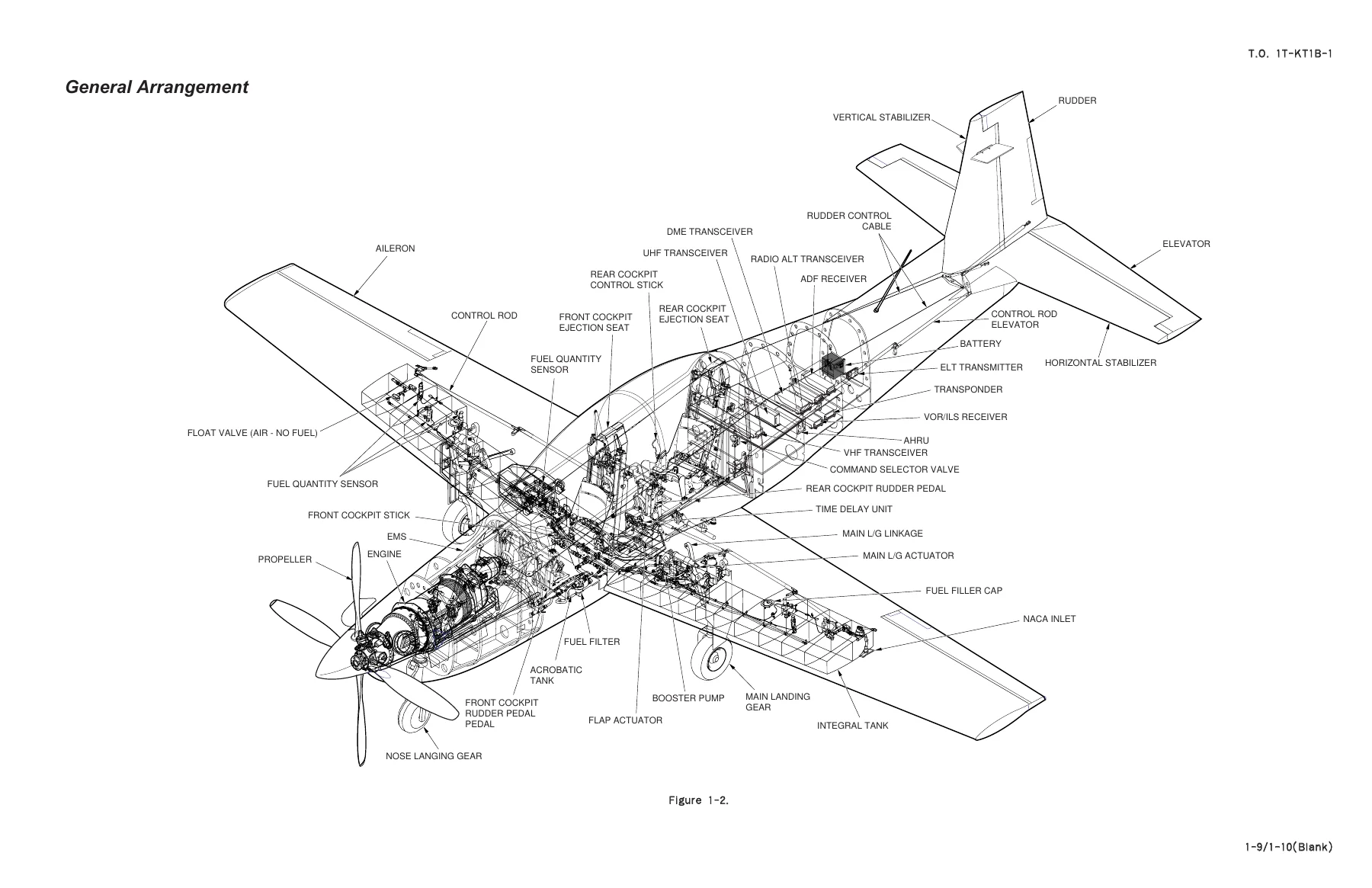
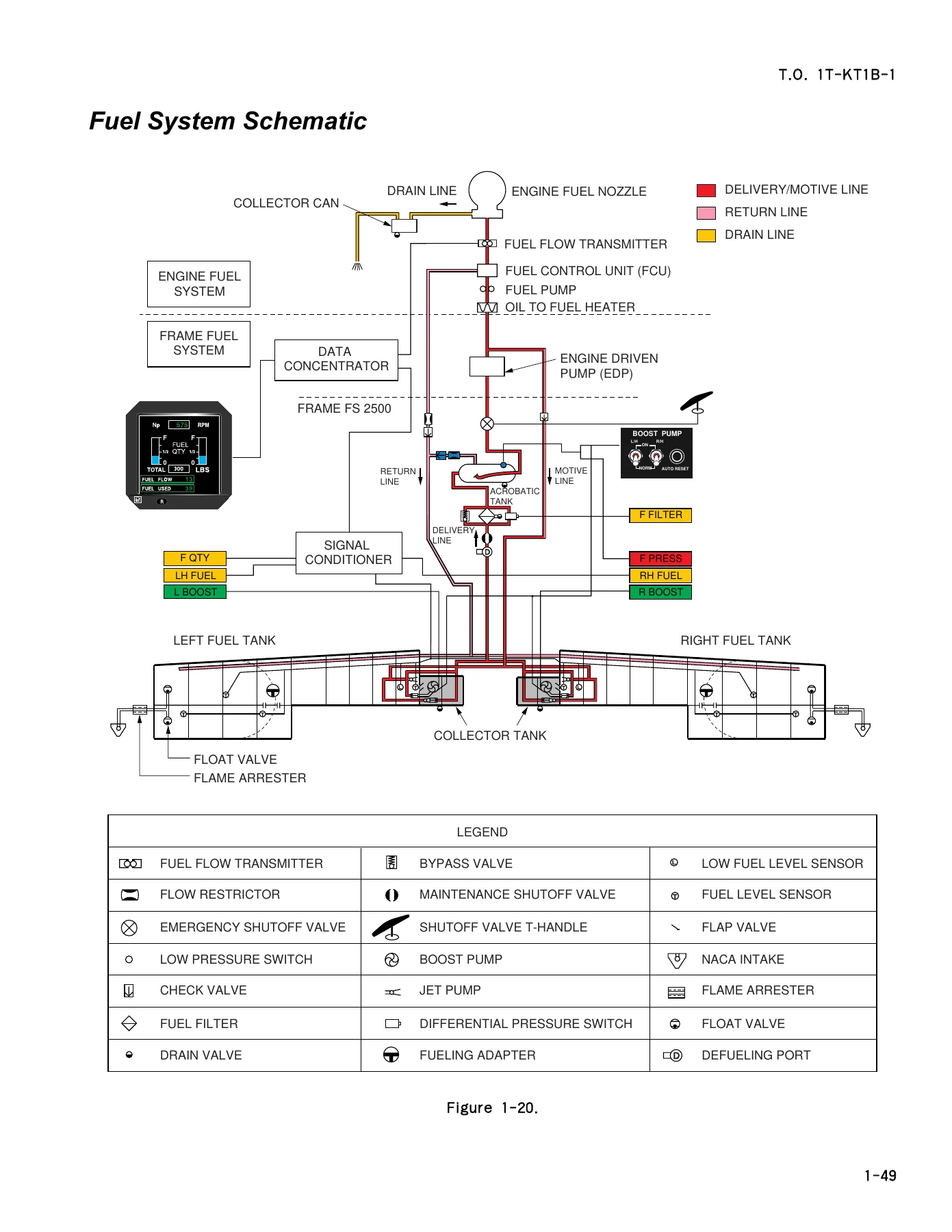
The systems coverage is thorough enough to support both line operations and type training. Engine operation is presented alongside the Electronic Limiter System limits, so you can see how the ELU constrains torque and ITT under MCP and MAX power selections, and what happens when the ELU is switched to ISO or the isolating solenoid valve closes. The propeller chapter describes the Hartzell four-blade constant-speed system, including the propeller governor, overspeed governor, feathering solenoid and pitch change mechanism. Fuel coverage includes the collector tank, transfer and delivery jet pumps, boost pump, acrobatic tank, fuel filter, and the return line back to the main tanks. The hydraulic chapter explains the engine-driven pump, power pack, selector manifold, system selector valve, and the emergency accumulator that allows one-shot landing gear and flap extension. Landing gear coverage includes the up-prevention mechanism, WOW microswitches, emergency extension, and the emergency landing gear T-handle. Flight controls cover the mechanically linked primary system with push-pull rods and cables, the electrically driven secondary trim system, the ARTS, and the gust lock. Ejection seat coverage is unusually complete, covering the MK KR16LF seat, command selector valve, SAFE/ARMED handle, manual override handle, leg restraint system, harness, personal survival pack, and life preserver.
Operating Limitations and Flight Envelope
Section V gives the numbers a pilot needs to stay inside the aircraft’s design envelope. Engine limits are presented for MP, MCP, ground idle, starting, and transient conditions, with torque, ITT, Ng, Np and oil pressure values tabulated by operating condition. Airspeed limitations cover diving speed, flap extended, landing gear extended and operating, and canopy-open taxiing. Maneuver limitations address aileron deflection limits at different airspeeds and g-loads, inverted flight time, G-limitation for cruise and landing configurations, C.G. limits, and gross weight limits. Landing limitations give the maximum sink rate and the crosswind limits. Miscellaneous limitations cover ejection seat weight range, ejection speed and altitude, canopy limitations, runway requirements, ECS limitations, altitude limit, and operating temperature.
Performance Data Appendix
Appendix I contains the performance charts used for flight planning: airspeed position error correction for cruise and takeoff/landing configurations, airspeed conversion, weight and C.G. chart, standard atmosphere table, static engine torque at maximum power and max cruise power settings, stall speed chart, wind components, standard units conversion, take-off speed schedule and ground roll distance, take-off distance to 50 ft, time/distance/fuel to climb, climb speed and ceiling, maximum range performance for both fuel required and range, max endurance/speed/fuel required, enroute and penetration descent, approach/touchdown speed, landing total distance from 50 ft, landing ground roll distance, and turn rate/turn radius/sustained G charts at 5,000 ft, 10,000 ft, 15,000 ft and 20,000 ft.
IMAGES PREVIEW
Whether you are preparing for a check ride, working through a systems course, or troubleshooting an in-service KT-1B, having the actual T.O. 1T-KT1B-1 on hand puts the correct procedures, limits and reference data at your fingertips instead of relying on memory or secondhand notes. The manual supports the full range of ground and flight operations: engine starting and dry motoring, fuel balancing, emergency gear extension, ELU reset, spin recovery, ejection decision-making, and performance planning. Correct procedures and accurate limits matter directly to safety of flight and to avoiding unnecessary engine or airframe damage. Delivered as an instant PDF download, no shipping, readable on any device, and printable for a cockpit or hangar binder.


Reviews
There are no reviews yet.