
Cessna Citation VII Model 650 Airplane Flight Manual Revision 10 August 2001 – FAA Approved Flight Crew Manual
Original price was: $39.95.$24.95Current price is: $24.95.
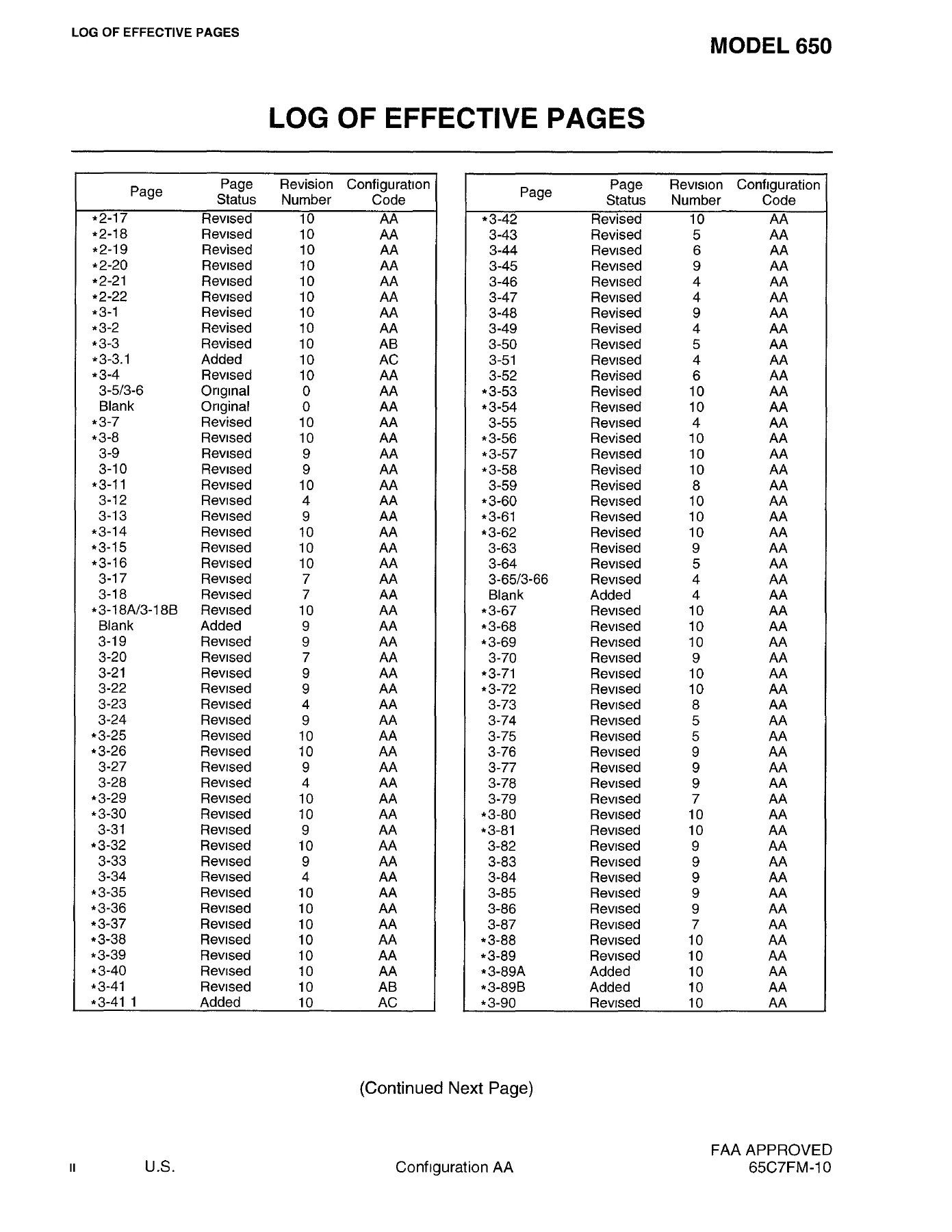
FAA Approved Airplane Flight Manual for the Cessna Citation VII (Model 650), Revision 10 dated 13 August 2001. Covers operating limitations, emergency, abnormal and normal procedures, full performance charts, weight and balance data and advisory information for the Garrett TFE 731-4R-2S powered Citation VII.
Description
File Details
- Manual type: FAA Approved Airplane Flight Manual
- Manufacturer: Cessna Aircraft Company
- Model: Citation VII (Model 650)
- Document number: 65C7FM-10
- Revision: Revision 10
- Revision date: 13 August 2001 (original issue 14 January 1992)
- Configuration code: AA
- Language: English
- File format: PDF
What the Cessna Citation VII Model 650 Airplane Flight Manual Covers
The Cessna Citation VII Model 650 Airplane Flight Manual Revision 10 is organised into seven numbered sections, each with its own page-numbering prefix so a printed copy can be kept current page by page. The chapter list below follows the document’s own table of contents.
- Section I – Introduction: coverage, serial number identification, flight manual part number structure, revisions, revised material indicators, definitions of WARNING, CAUTION and NOTE, plus emergency, abnormal and normal procedure definitions and the Service Bulletin Configuration List.
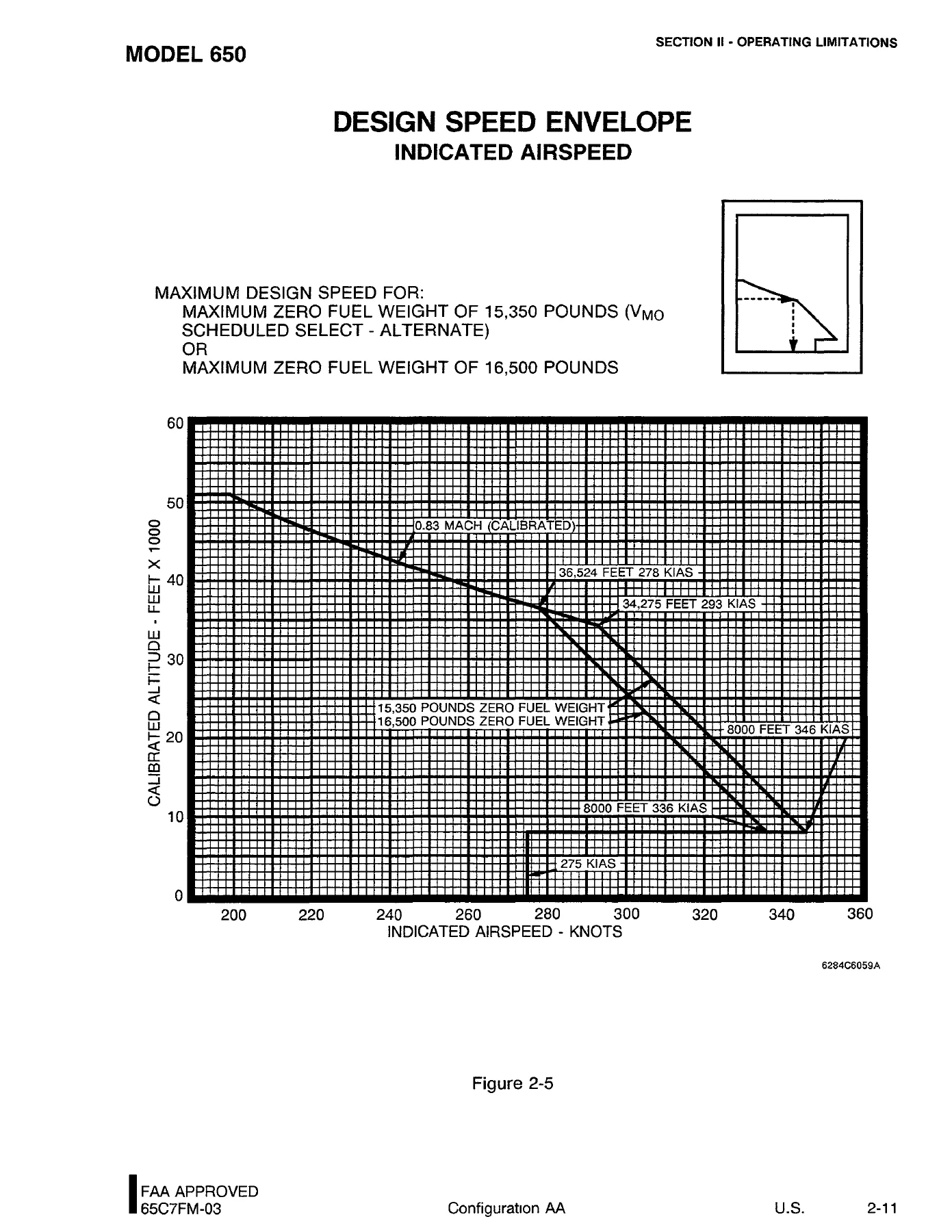
- Section II – Operating Limitations: certification status, takeoff and landing performance limitations, weight limitations, centre-of-gravity limits, ballast fuel, engine limitations and operating limits, APR engine cycles, ground start ambient temperature limits, ground power unit starting current limitations, start cycle and battery limitations, prolonged ground operation, approved hydraulic fluid and oils, fuel limitations, wing tank fuel transfer, unusable fuel, fuselage fuel tank limitations, single point refuelling limitation, design speed envelope, enroute operational limits, generator limitations, horizontal stabilizer anti-ice, operations authorized, minimum crew, load factor, cabin pressure limitations, manoeuvres, seating, instrument markings, PAC selector switches, oxygen system and mask rules, standby attitude/airspeed/altimeter instruments, stabilizer trim systems, engine ice protection, engine fuel computers, fuel control manual governor, engine synchronization, aileron boost, stall warning, rudder bias, speedbrake/spoiler system, wing vortex generators, avionics AC power distribution, standby magnetic compass, ground idle, emergency pressurization, thrust reversers, angle-of-attack system, radio altimeter, VMO schedule select, static discharge wicks, Honeywell SPZ-8000 avionics limitations, passenger seating restriction, stabilizer takeoff trim, cracked windshield policy and more.
- Section III – Operating Procedures: Emergency Procedures (engine and fuel, pressurization and environmental, electrical and avionics, flight controls, anti-ice, ditching), Abnormal Procedures (engine and fuel, pressurization and environmental, electrical and avionics, flight controls, hydraulic system and brakes, anti-ice, abnormal landings including flaps-up and single-engine approach and go-around), and Normal Procedures (cockpit inspection, cabin inspection, exterior inspection, cockpit preparation, before starting engines, starting engines, before taxi, taxi, before takeoff, takeoff, after takeoff and climb, cruise, turbulent air penetration, descent, approach, before landing, landing, all-engines go-around, after landing, shutdown, quick turnaround, anti-ice additives, flight into icing, cold weather operations, anti-ice systems, pressurization/environmental, Freon air conditioning, windshield defog, oxygen system, fuel system, hydraulic system, electrical system, automatic performance reserve, Honeywell SPZ-8000 avionics and landing lights).
- Section IV – Performance: performance general and definitions, standard charts, temperature and pressure conversions, fuel quantity and weight conversions, ram air temperature rise, airspeed and Machmeter calibration, altimeter position correction, stall speeds, ISA tables, primary trim takeoff setting vs centre-of-gravity, takeoff/go-around and maximum continuous thrust settings, buffet onset, crosswind component, maximum takeoff weight permitted by climb requirements, takeoff field length with 7-degree and 20-degree flaps, single-engine takeoff flight path, segment climb gradients and single-engine enroute net climb gradients, plus approach and landing performance.
- Section V – Supplements: amended limitations, procedures and performance for airplanes conducting special operations or fitted with specific options.
- Section VI – Weight and Balance Data and Airplane Equipment List.
- Section VII – Advisory Information: guidance material and deicing procedures.
Read together, these sections turn the Cessna Citation VII Model 650 Airplane Flight Manual Revision 10 into a complete flight crew reference for a Garrett TFE 731-4R-2S powered Citation VII. The document walks from cold preflight through start, taxi, takeoff and climb, then through cruise, descent, approach and landing, and it carries the emergency and abnormal checklists that have to be committed to memory or reached for in a hurry. Because the manual is FAA Approved, the operating limitations, weight limits, load factors and performance numbers printed inside it are the reference values a crew is expected to fly to, not generic approximations pulled from a third-party source.
IMAGES PREVIEW
Operating Limitations You Can Look Up Directly
Section II of this Citation VII manual lists the numbers that govern every dispatch decision. Maximum design ramp weight is 23,200 pounds, maximum design takeoff weight 23,000 pounds, maximum design landing weight 20,000 pounds, and maximum design zero fuel weight is 16,500 pounds with a 15,350 pound alternate figure. Maximum calibrated operating altitude is 51,000 feet, minimum flight crew is pilot and copilot, and seating is capped at fifteen occupants. The engine operating limits table covers takeoff with APR off or armed, takeoff with APR on, maximum continuous, and starting, with corresponding ITT, N2, N1, oil pressure and oil temperature bands. Instrument markings for oil pressure, turbine RPM, ITT, fan RPM, DC and AC ammeters, AC voltmeter, stabilizer trim, cabin differential pressure, oxygen pressure, hydraulic pressure and volume, and brake and gear pneumatic pressure are all reproduced.
Procedures Set Out Step by Step
Section III is where the manual earns its keep. Emergency procedures are boxed where immediate action is required and cover rejected takeoff below V1, engine failure or fire at or above V1, engine fire with the fire switch illuminated and fire bell activated, engine failure during final approach, double engine flameout and restart, maximum glide emergency landing, cockpit or cabin fire or smoke detect, environmental system smoke or odour, smoke removal, cabin decompression, emergency descent, loss of both generators, battery overheat, master warning on steady, double inverter failure, electronic display indicator red gun failure, symbol generator failure, dual AHRS failure, autopilot failure, pitch trim runaway or failure, uncontrolled airplane roll, jammed roll control system, thrust reverser inadvertent in-flight deployment, thrust reverser unlock or arm light in flight, windshield overheat and ditching. Abnormal procedures pick up engine failure and precautionary shutdown, in-flight restart, oil pressure anomalies, fuel boost pump, wing fuel transfer valve, fuselage fuel tank indications and transfer failure, low fuel pressure, low fuel quantity, fuel filter bypass, high sustained ITT during ground shutdown, fire detection and extinguisher bottle issues, fuel computer manual mode, firewall shutoff, engine ground idle, starter not disengaging, oil chip detector, engine synchronization, HP precooler failure, PAC overheat, duct overheat, isolation valve open, pressurization system failure, overpressurization, emergency pressurization, PAC high pressure valve and high flow, cabin and accessory door unlocked, cabin door pressure seal failure, baggage heater overheat, single generator failure, single inverter failure, open current limiter, EADI and EHSI failure, EFIS or MFD fan light, air data computer failures, AHRS basic mode and DC power loss, single AHRS, heading and attitude failure, comparison monitor, flight guidance computer failure, aileron or elevator out of trim, flaps inoperative, flap overspeed, angle-of-attack probe failure, stall warning fail, secondary trim failure, speed brakes extended, spoilers up, rudder bias system off, gust lock on, rudder system jam, elevator system jam, stabilizer trim system jam, rudder bias uncommanded motion, spoiler hold down activation, no takeoff warning system, aileron boost off, nose wheel steering malfunction, landing gear will not extend, hydraulic wheel brake failure, antiskid failure, low hydraulic pressure, hydraulic system failure, hydraulic fluid temperature low, auxiliary hydraulic power on, hydraulic firewall shutoff, parking brake on, windshield air on, windshield fault, cracked or shattered windshield, engine, wing and horizontal stabilizer anti-ice failures, pitot static heater failure, windshield defog fan failure, landing with flaps up or at seven degrees, single-engine approach and landing, and single-engine go-around. Normal procedures run from the first documents check through the full preflight, engine start, taxi, before takeoff, takeoff, after takeoff and climb, cruise, turbulent air penetration, descent, approach, before landing, landing, all-engines go-around, after landing, shutdown and quick turnaround, with dedicated write-ups on anti-ice additives, flight into icing, cold weather operations, the anti-ice systems, pressurization and environmental system, Freon air conditioning, windshield defog, oxygen, fuel, hydraulic and electrical systems, automatic performance reserve, Honeywell SPZ-8000 avionics and landing lights.
Performance Data for Real Flight Planning
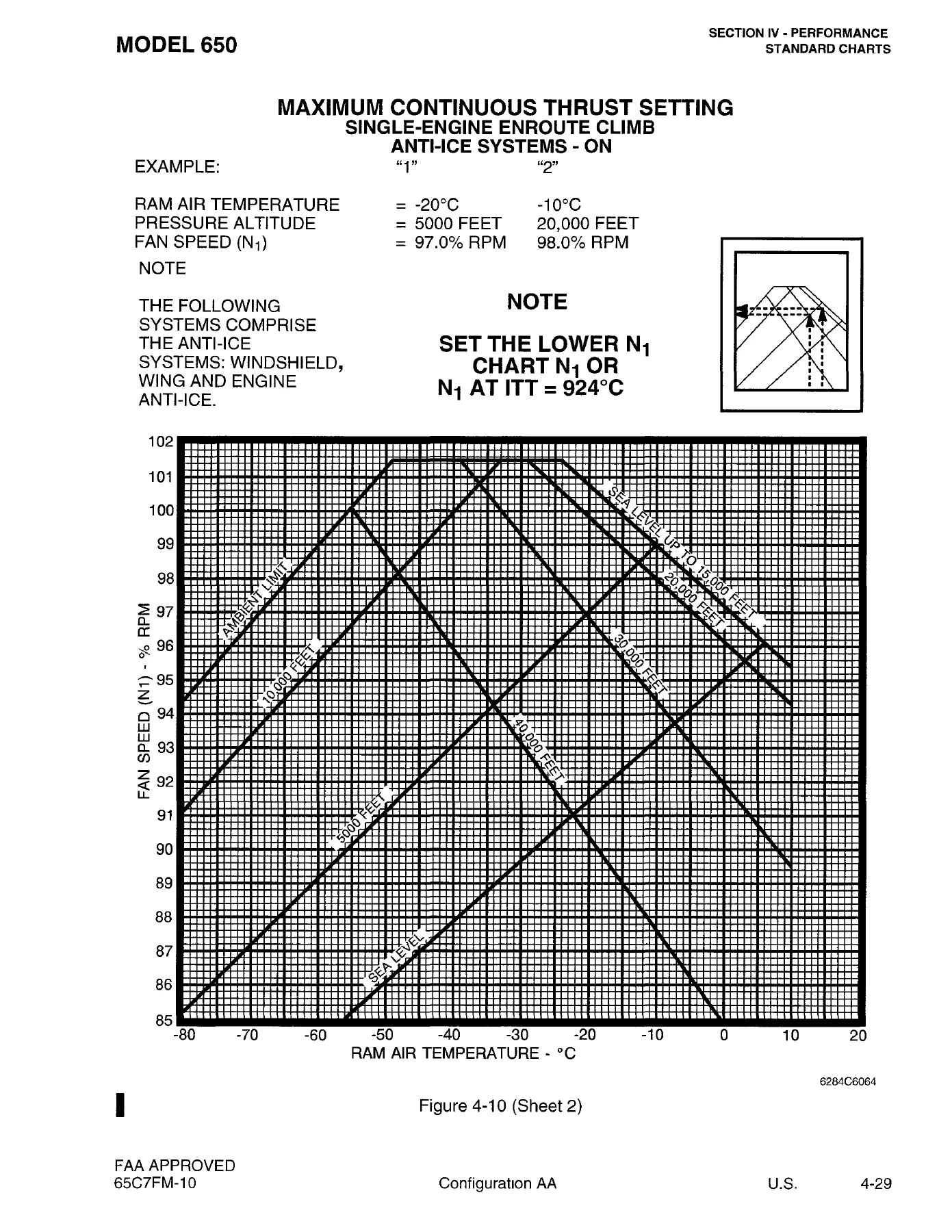
Section IV carries the numbers a crew needs before brake release. Standard charts include temperature and pressure conversions, fuel quantity, weight and horizontal length conversions, ram air temperature rise, airspeed and Machmeter calibration for both pilot and copilot systems, standby system airspeed calibration, altimeter position correction, stall speeds in KCAS, ISA tables, primary trim takeoff setting versus centre-of-gravity, takeoff and go-around thrust setting, maximum continuous thrust setting for single-engine enroute climb with anti-ice on and off, buffet onset, and crosswind component. Takeoff performance charts give maximum takeoff weight permitted by climb requirements with flaps at seven degrees and twenty degrees, takeoff field length with seven-degree and twenty-degree flaps, single-engine takeoff flight path to 1,500 feet, the takeoff flight path profile, and first and second segment net climb gradients. Approach and landing performance completes the picture.
Why This Citation VII Model 650 Flight Manual Matters
Business jets like the Citation VII are flown to numbers, and those numbers live in the approved flight manual. The Cessna Citation VII Model 650 Airplane Flight Manual Revision 10 gives a crew the exact V1, VR, V2 and VENR speeds, the correct N1 thrust settings for the day’s temperature and pressure altitude, the field length required for the flap setting selected, the single-engine climb gradients that govern obstacle clearance, and the weight limits that keep the aircraft inside its certificated envelope. It also gives the limitations that ground a flight if exceeded, and the emergency and abnormal procedures that a crew relies on when something goes wrong. Being an FAA Approved document, the operating limitations, weight and balance data and performance figures inside it are the values the aircraft is expected to be operated to, and the standard chart section is detailed enough to plan a departure from a hot, high, short runway or a contaminated one without guesswork.
Whether the job at hand is a routine line check, an annual recurrent training session, a preflight performance calculation, an emergency procedure review, or a straight reference against a specific limitation, the Citation VII Model 650 manual covers it. The engine section alone, built around the Garrett TFE 731-4R-2S turbofan, details takeoff, maximum continuous and starting limits alongside APR cycles, ground start ambient temperature limits, ground power unit starting current limits, start cycle and battery limitations and prolonged ground operation guidance. The hydraulic, electrical, fuel, anti-ice, pressurization and flight control systems each have their own normal, abnormal and emergency treatment, so a technician or crew member can follow the same document from a routine system check right through to a jammed flight control or a loss of both generators.
Get Instant Access
This Cessna Citation VII Model 650 Airplane Flight Manual Revision 10 is delivered as a PDF download the moment payment clears, with no shipping and no waiting on a printed copy. It opens on any laptop, tablet or phone, and any page can be printed for a cockpit or hangar binder. Keep it on the flight deck, at the maintenance desk, or in a training folder, and search, zoom or print the exact limitation or procedure you need. Add it to your library today and fly the Citation VII to the numbers that were approved for it.
Reviews
There are no reviews yet.